This 7-day itinerary through Sergipe provides a day-by-day guide to exploring Brazil’s smallest state, which covers an area of 21,938.19 km². Your base is Aracaju, from where day trips depart for São Cristóvão, the Xingó Canyon, the Serra de Itabaiana and Praia do Saco. As the distances are short, you can combine beach, history and nature without having to change hotels every night. For an overview of the state, see also the Sergipe travel guide.
Why visit Sergipe?
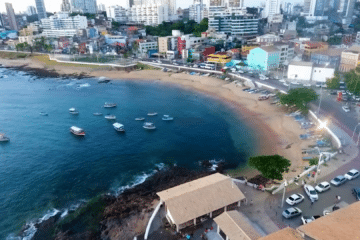
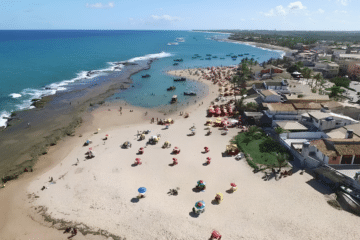
- Quiet beaches: the Atalaia seafront in Aracaju and the beaches along the southern coast, such as Praia do Saco, feature calm waters and dunes.
- Xingó Canyon: a catamaran trip between the sheer cliffs along the São Francisco River, on the border with Alagoas.
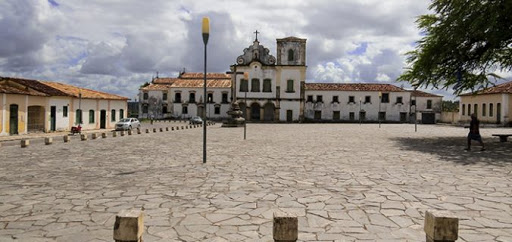
- History: São Francisco Square, in São Cristóvão, has been a UNESCO World Heritage Site since 2010.
- Nature: mangroves, rivers and the Serra de Itabaiana, with walking trails and waterfalls.
- Cuisine: seafood, crab, moqueca, carne de sol and regional sweets.
- Short distances: almost everything is within a 3-hour drive of Aracaju, which makes it easy to plan 7- to 10-day itineraries.
A 7-day itinerary around Sergipe


5 Passeios Gratuitos em Aracaju

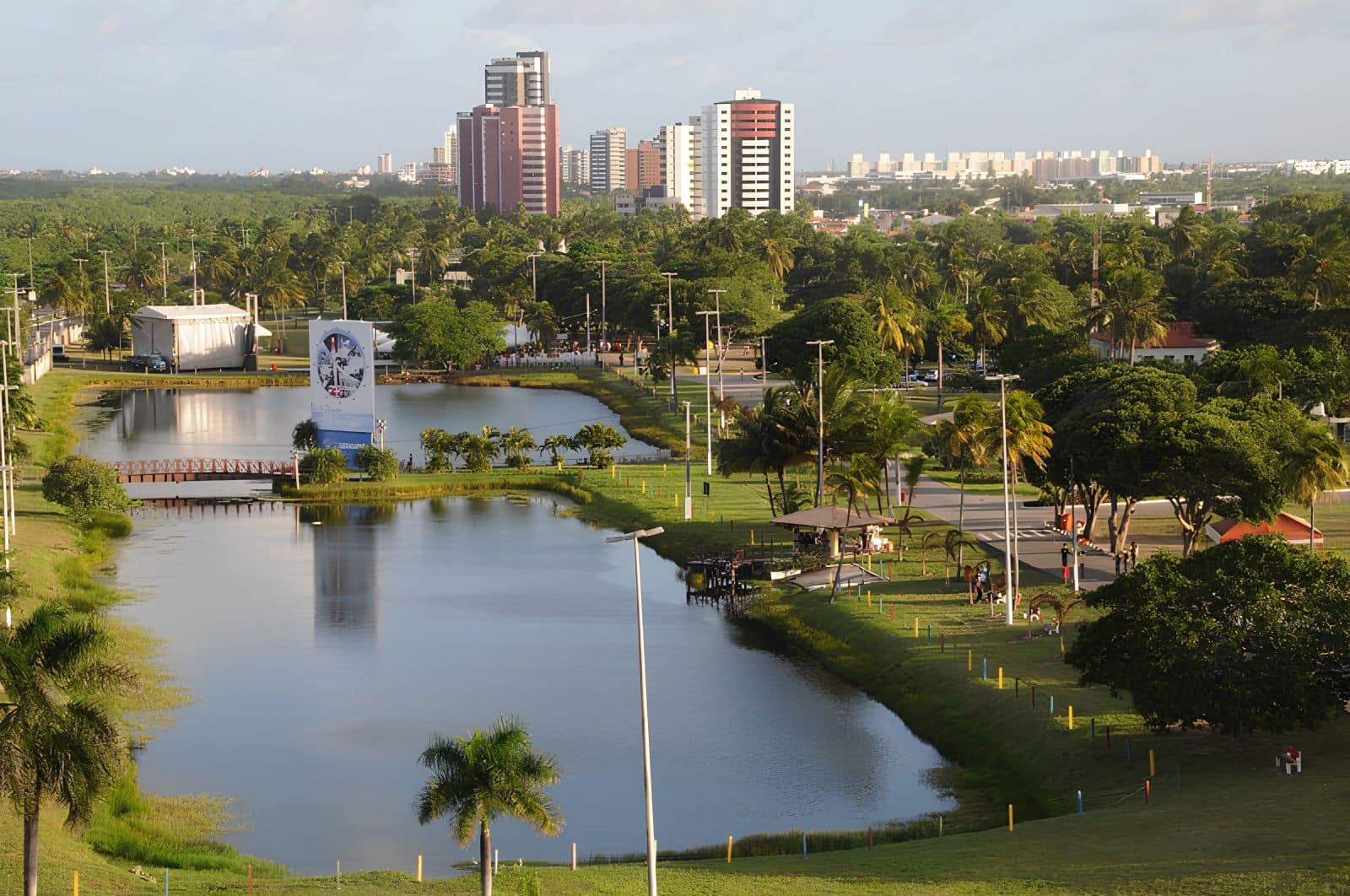
Aracaju SE - Drone00:08
História de São Cristóvão em Sergipe09:27

Canindé do São Francisco09:32

Cânion do Xingó em Sergipe04:34

Praia do Saco em Sergipe04:13
The itinerary below uses Aracaju as a base on days 1, 2, 3, 5, 6 and 7. Only on day 4, at the Xingó Canyon, will you need to set off very early or spend the night away. In summary: Day 1 – Atalaia seafront and the Oceanarium; Day 2 – the city centre and museums; Day 3 – São Cristóvão; Day 4 – Xingó; Day 5 – Serra de Itabaiana; Day 6 – Praia do Saco; Day 7 – shopping and departure.
Day 1: Arrival in Aracaju and Orla de Atalaia
Morning: arrival and check-in. The Atalaia area is home to many hotels and restaurants, making it a good choice for accommodation.
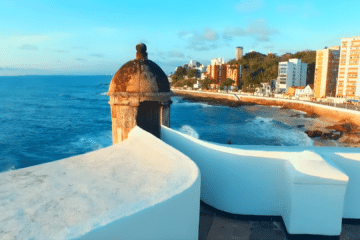
Afternoon: a stroll along the Atalaia seafront promenade and a visit to the Aracaju Oceanarium, which operates in conjunction with the Tamar Project. Opening hours are usually Tuesday to Sunday and on public holidays, from 10.00 am to 5.00 pm, but please check before you go.
Evening: dinner at the Passarela do Caranguejo, a stretch of Atalaia with a range of seafood restaurants and, of course, crab.


Day 2: Aracaju’s historic centre and museums
Morning: The Antônio Franco Municipal Market, opened in 1926, with craft and nut shops and restaurants on the terrace overlooking the River Sergipe. Next, Fausto Cardoso Square and the Olímpio Campos Palace Museum.
Afternoon: The Museu da Gente Sergipana, an interactive exhibition on the culture, cuisine and history of the state, and Parque da Sementeira, for a break in the open air. The museum is usually open from Tuesday to Sunday, with free entry, but it’s worth checking opening times and rules beforehand.
Evening: bars and restaurants in the Atalaia and Coroa do Meio neighbourhoods.


Day 3: São Cristóvão, the historic town
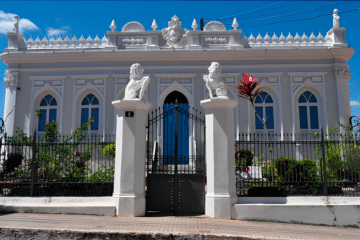
Full day: São Cristóvão is about 25 to 30 km from Aracaju, a 30-minute drive, and can also be reached by bus from the coach station. The town centre revolves around Praça São Francisco, where the Church and Convent of São Francisco, the Santa Casa de Misericórdia and the former Provincial Palace are located. The convent houses the Museum of Sacred Art, with a collection of works from the 18th and 19th centuries. Be sure to visit the Matriz Church of Nossa Senhora da Vitória, dating from 1608, considered the oldest church in Sergipe still in use.
Return to Aracaju in the late afternoon. If you’d like to make the most of the day, Laranjeiras is another historic town, about 25 km from the capital.
Why visit Saint Kitts?
- World Heritage Site: São Francisco Square was awarded UNESCO World Heritage status in 2010, and the urban complex is listed by IPHAN.
- Northeastern Baroque: the Church and Convent of São Francisco, dating from 1693, combine gilded woodcarvings with colonial architecture.
- Museums: the Museum of Sacred Art houses a collection of religious artefacts, and the Sergipe Historical Museum is housed in the former Provincial Palace. Please check opening times, as the Historical Museum has recently undergone refurbishment.
- Festivals and traditions: processions and June festivals keep the local culture alive.
- Easy day trip: its proximity to the capital means you can visit the city in a day.
Would you like more details? Take a look at the complete guide to São Cristóvão.

Day 4: Canindé de São Francisco and the Xingó Canyon
Departure: early. Canindé de São Francisco is about 215 km from Aracaju, via the SE-230 and BR-235 motorways, and the journey takes at least 3 hours.
Activity: a catamaran trip through the canyon, with a stop for a swim in the river. The boats depart from Canindé, on the Sergipe side, and the trip lasts around 3 hours. Departures are usually around 11.30 am, so please check the timetable with the travel agency.
Option: the day trip is a bit of a trek. If you can, stay overnight in Canindé or in Piranhas (AL), a historic town about 20 km away, on the other side of the river.
The Xingó Canyon is situated on the São Francisco River, on the border between Sergipe and Alagoas, and the most common route to it is via Canindé de São Francisco. The nearest airport is in Paulo Afonso (BA), about 80 km away. For details on tours, accommodation and the Xingó Archaeology Museum, see the Xingó Canyon guide and the guide to Canindé de São Francisco.
Why visit the Xingó Canyon?
- Unique landscape: sheer rock faces and calm waters along a canyon some 65 km long.
- Boat trip: the catamaran sails between the cliffs and calls at spots along the river where you can go for a swim.
- Photography and nature: great opportunities for taking photos and birdwatching.
- Facilities: guesthouses, tour agencies and restaurants in Canindé and the surrounding area.
- Best time to visit: the driest season runs from August to February. Rainfall increases from May to July.


Day 5: Serra de Itabaiana, walking trails and Parque dos Falcões
Morning: departure for Itabaiana, about 1 hour’s drive from Aracaju via the BR-235. The Serra de Itabaiana National Park, managed by ICMBio, features easy to moderate hiking trails, viewing points and vegetation comprising Atlantic Forest and caatinga. Entry is free, and the highest point of the mountain range is around 660 metres.
Afternoon: lunch in Itabaiana and a visit to Parque dos Falcões, a conservation centre for birds of prey at the foot of the mountains. The visit must be booked in advance.
Evening: return to Aracaju.
Why visit Itabaiana?
- Trails and waterfalls: the mountains offer a range of walking trails, such as the Gruta da Serra trail, and waterfalls, including the Caldeirão waterfalls.
- Birds of prey: the Falcon Park is home to around 300 birds and puts on flight demonstrations.
- Near the capital: you can do it in a day, travelling to and from Aracaju.
Tip: Take water, sun cream and closed-toe shoes with you, and go with a local guide if you’re going hiking. Avoid leaving valuables unattended at the pools and waterfalls. Further details can be found in the guide to Parque dos Falcões and the Serra de Itabaiana.
Day 6: Praia do Saco and the south coast
Full day: Praia do Saco, in Estância, is about 70 km from Aracaju via the SE-100, and the journey takes between 1 and 1½ hours. The beach features dunes, calm waters and a buggy ride through the dunes lasting around 1 hour 30 minutes. There are also boat trips to sandbanks, such as Ilha da Sogra, which appears at low tide. Return to Aracaju at the end of the day.
Why visit Praia do Saco?
- Dunes and calm seas: a long stretch of sand, ideal for relaxing.
- Buggy and boat trips: the dunes, the sandbanks and the point where the river meets the sea are the main attractions.
- Lagoa dos Tambaquis: a leisure spot with a restaurant, near Estância, on the road to the south coast.
- Mangue Seco (BA): from Praia do Saco, a boat crossing takes you to the village, which is in Bahia. See the Mangue Seco guide.
Tip: Take sun cream, water, a hat and suitable footwear for walking on the dunes, and check the tide table before booking boat trips. For other beaches in the region, see the guide to the southern coast of Sergipe.


Day 7: a free day in Aracaju and departure
Morning: a final stroll along the waterfront and some shopping for handicrafts. If the tide is out, it’s well worth taking a boat trip to Croa do Goré, a sandbank on the River Vaza-Barris, departing from the Orla do Pôr do Sol. Go early, before the tide comes in.
Afternoon: transfer to the airport or coach station, depending on the departure time.
Practical tips for a 7-day itinerary around Sergipe
- Best time to visit: from September to March, when there is more sunshine and less rain. Avoid periods of heavy rain.
- Transport: A hire car gives you more freedom, particularly for trips to Itabaiana and Praia do Saco. Local travel agencies also organise tours to Xingó and the south coast.
- Accommodation: stay in Aracaju, preferably in the Atalaia neighbourhood, and go on day trips. For Xingó, consider spending a night in Canindé or Piranhas.
- Safety: keep an eye on your belongings along the seafront and on the beaches, and follow local guidelines for swimming.
- Cuisine: moqueca, fried fish, crab, carne de sol and regional sweets.
- Optional extension: Mangue Seco (BA), which can be visited as a day trip or an overnight stay from Aracaju, via Praia do Saco.
- Opening times and prices: opening times and prices for museums, parks and tours are subject to change. Please check all details before you go.
Frequently Asked Questions
How many days does it take to explore Sergipe?
Seven days are enough to explore Aracaju and go on day trips to São Cristóvão, the Xingó Canyon, the Serra de Itabaiana and Praia do Saco. With four or five days, you can cover the essentials: Aracaju, São Cristóvão, Praia do Saco and Xingó.
When is the best time to go on the 7-day tour of Sergipe?
From September to March, which is the driest and sunniest period. From April to August, rainfall is more frequent along the coast. In the Xingó Canyon, the dry season usually runs from August to February.
Do I need to hire a car?
It isn’t compulsory, but it’s very helpful, particularly for Itabaiana and Praia do Saco. São Cristóvão can be reached by bus from Aracaju bus station, and there are organised tours run by travel agencies to Xingó and the south coast.
In which state is the Xingó Canyon located?
The Xingó Canyon is situated on the São Francisco River, on the border between Sergipe and Alagoas. The most common route is via Canindé de São Francisco, in Sergipe, and the nearest airport is in Paulo Afonso (BA), some 80 km away.
Is it possible to visit the Xingó Canyon on a day trip from Aracaju?
Yes, you can, but it’s a bit of a slog: it’s about 215 km and at least a 3-hour journey each way. If you can, stay overnight in Canindé de São Francisco or in Piranhas (AL).
What is the distance from Aracaju to São Cristóvão and Praia do Saco?
São Cristóvão is about 25 to 30 km from Aracaju, a 30-minute drive away. Praia do Saco is about 70 km away, via the SE-100.
How do you get to Mangue Seco from Sergipe?
Mangue Seco is a village in Bahia, on the border with Sergipe. Those travelling from Sergipe take the ferry from Praia do Saco or other ferry terminals in the region; the ferry journey is short. There are also organised tours run by travel agencies in Aracaju.
Where to stay in Aracaju?
Atalaia is the most popular area with tourists, with plenty of hotels and restaurants near the seafront and the Passarela do Caranguejo.
Is Sergipe really the smallest state in Brazil?
Yes. Sergipe covers an area of around 21,938 km², the smallest of any Brazilian state, which explains the short distances between the attractions.
See also

Publicações Relacionadas
Pacatuba SE and the Sergipe Pantanal: Tourist Guide
Xingó Canyon — Tours, How to Get There and Accommodation
Parque dos Falcões and the Itabaiana Mountains, Sergipe: Tourist Guide
Discover Canindé de São Francisco: A Comprehensive Travel Guide to a Paradise of Culture and Nature
Sergipe: A Comprehensive Travel Guide to Brazil’s Smallest State
Discover Aracaju: The Complete Travel Guide to the Capital of Sergipe
Croa do Goré Island, Aracaju (SE): A Comprehensive Travel Guide
Laranjeiras: A Guide to Tourism and Cultural Heritage in the Heart of Sergipe
Ponta dos Mangues Beach and the Santa Isabel Biological Reserve: Tourist Guide
Praia do Saco (Estância, SE) — Guide: how to get there, what to do and tip
The South Coast of Sergipe: A Travel Guide and Things to Do
Discover São Cristóvão: A Complete Tourist Guide to a Historical Treasure in Sergipe
Discover Pirambu: A Comprehensive Travel Guide to the North Coast of Sergipe
Discover Santa Luzia Island: A Comprehensive Travel Guide to Sergipe
This post is also on:
 Português
  English
  Deutsch
  Español
  Français