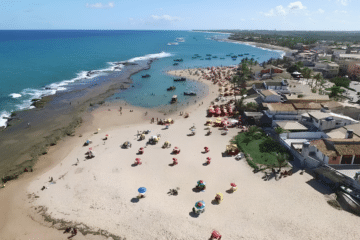
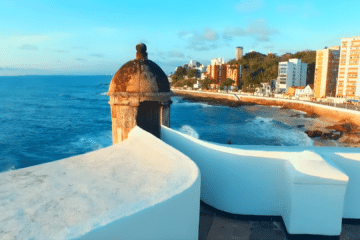
In this travel guide, you’ll discover what to do in Pirambu, a town on the north coast of Sergipe, on the well-known Mangrove Coast. Pirambu is one of the most visited towns on the Sergipe coast, attracting tourists in search of its natural beauty.
With a prime location at the mouth of the River Japaratuba, also bordered by the River Pomonga and the Atlantic Ocean, Pirambu stands out as one of the main fishing centres in north-eastern Brazil.


The municipality currently has around 9,000 inhabitants (IBGE Census) and has been experiencing significant growth in tourism in recent years. Lakes, dunes, mangroves, walking trails and waterfalls provide the perfect setting for leisure and relaxation. One of the region’s most important environmental landmarks is the Santa Isabel Biological Reserve, where the Tamar Project maintains one of its main centres for the study and protection of sea turtles.
Boat traffic is vital to the local economy, with traders transporting prawns to cities such as Salvador, Maceió and Recife. The patola crab, once little valued, is now a much-loved dish in the region — a good fried dish of this crab appeals even to those who prefer prawns. Furthermore, the city hosts cultural and gastronomic events throughout the year, which attract tourists and help to boost local tourism.
Its rich biodiversity and natural beauty make Pirambu a destination well worth visiting in the Northeast.

Videos about the northern coast of Sergipe

Pirambu em Sergipe02:28

Ponta dos Mangue em Sergipe02:29

Reserva Biológica de Santa Izabel02:41

Espécies de Tartarugas no Brasil06:24

Pirambu - Drone03:53
Pirambu SE - Reportagem03:41
Conheça as belezas de Pirambu03:26
The History of Pirambu
The name ‘Pirambu’ may have two possible origins: according to some sources, it derives from a fish commonly found in the region; others attribute the name to an indigenous chief who is said to have lived in the former settlement. The settlement, originally called ‘Ilha’, came to be inhabited by fishermen in the early 20th century. They practised subsistence fishing in the Pomonga and Japaratuba rivers and in the Atlantic Ocean, as well as hunting and farming. Trade at the time was based on barter, and the dwellings were made of straw.
In 1911, a trading post was established and a fishing community was founded. In 1912, the settlement became a village, with the construction of a church dedicated to Our Lady of Lourdes. In 1934, following the separation of Japaratuba from Capela, Pirambu was reclassified as a village, attached to the new municipality of Japaratuba.
Decades later, a political emancipation movement led to Pirambu becoming an independent municipality on 26 November 1963, having been separated from Japaratuba. The local climate has an average annual temperature of 26°C and average rainfall of 1,650 mm/year, with the rainiest period falling between March and August (autumn–winter).

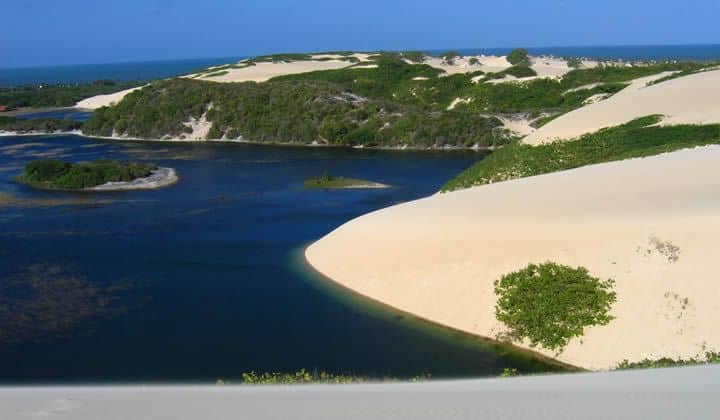
The terrain consists of coastal plains (dunes, floodplains and marshy lowlands), coastal plateaus and hills. The vegetation includes hygrophilous areas, mangroves, sand dunes, scrubland, caatinga, cerrado, and open and overgrown grasslands. The municipality lies within the catchment area of the River Japaratuba. From Aracaju, access is via the Construtor João Alves Bridge (Aracaju/Barra dos Coqueiros), then along the SE-100 road, a journey of approximately 30 km through dunes, beaches and mangroves. The Japaratuba is the municipality’s main river, into which the Sapucaia, Brito, Poxim and Papagaio (the Pomonga River flows into the Japaratuba, but does not actually flow through Pirambu). Among the best-known lagoons are Pirambu, Catu, Camurupim, Titaras, Redonda, Grande, Seca, Santa Isabel and the Sangradouro — considered the largest in Sergipe —, which flows into the Atlantic Ocean at the village of Lagoa Redonda.
Things to Do in Pirambu: Top Attractions and Activities
1. Pirambu Beach

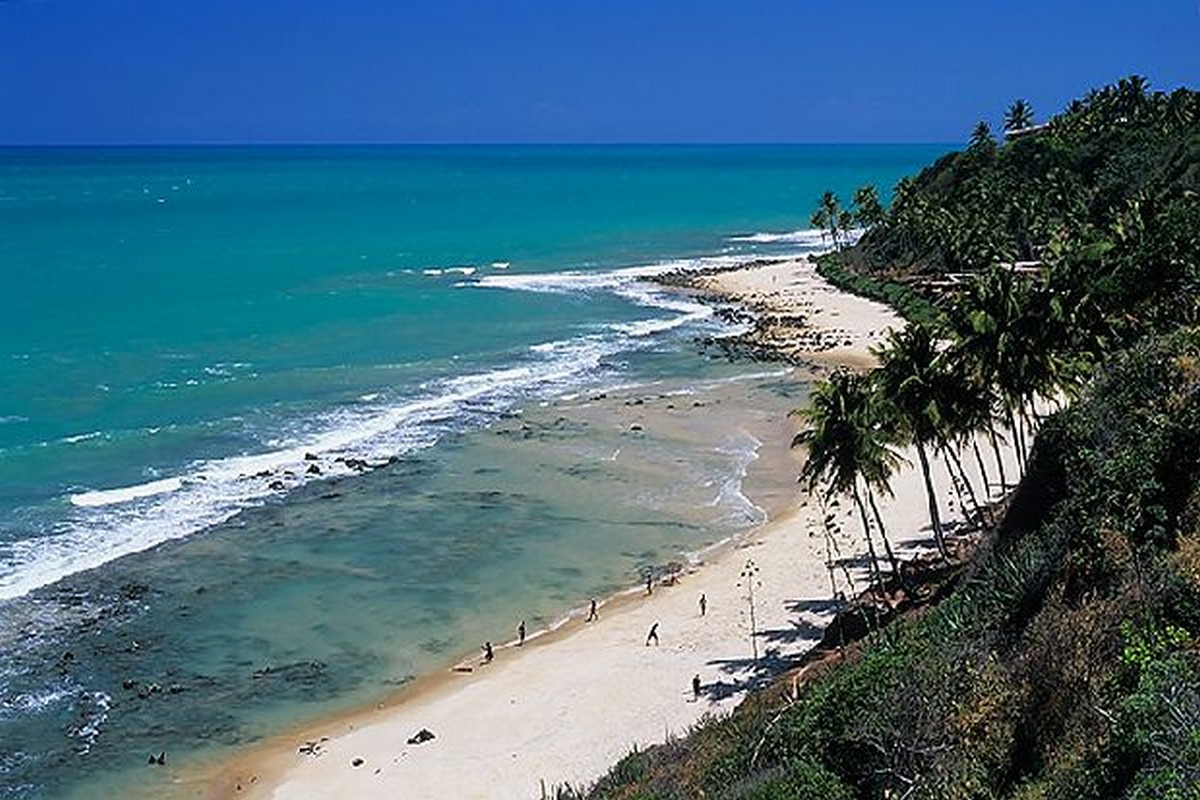
One of the region’s main beaches, renowned for its natural beauty, with golden sands and clear waters. Ideal for walks, swimming and relaxation. Activities: swimming, walking, fishing and observing the local wildlife.
2. The Tamar Project
The Pirambu base of the Tamar Project is dedicated to the protection and conservation of sea turtles and plays a vital role in research and environmental education in the region.& Activities: guided tours of the visitor centre facilities, educational talks and, depending on the time of year (the nesting season, usually between September and March), observation of activities related to nesting and the release of hatchlings — always in accordance with the project’s schedule and rules.
3. Santa Isabel Biological Reserve
The Santa Isabel Biological Reserve is a federal conservation area established in 1988, covering approximately 5,547 hectares, which protects mangroves, sandbanks and one of Brazil’s main sea turtle nesting sites. As it is a Biological Reserve — the most restrictive category of strict protection within the Brazilian system of conservation areas (SNUC) — the area is not open to the general public: access is restricted to scientific research and environmental education, usually organised by the Tamar Project team itself. Anyone wishing to learn more about this work first-hand should look into the guided activities offered by the project in Pirambu, rather than attempting to access the reserve on their own. Activities: environmental education and guided activities through the Tamar Project (with no free access to the reserve’s internal trails).

4. Mangue Seco Waterfall
Situated in the countryside, it is a picturesque waterfall surrounded by lush vegetation, ideal for a peaceful stroll and a refreshing dip. Activities: walking, swimming and picnics.
5. Ponta dos Mangues Beach
A secluded beach on the outskirts of the Santa Isabel Biological Reserve, ideal for those seeking peace and quiet. As part of the area lies within the reserve’s boundaries, it is worth checking locally which access points are open before you go, as not the entire stretch is open to the public. Activities: beach walks, wildlife watching and relaxation.

6. Lagoa Redonda
One of the best-known lagoons in the region, with clear waters and surrounded by native vegetation. Activities: swimming in the lagoon, kayaking and stand-up paddleboarding, picnics, and observing the flora and fauna.


7. Lagoa Grande
Known for its calm waters and the natural beauty of the surrounding area. Activities: swimming and leisure activities, recreational fishing, boat trips.
8. Blue Lagoon
Famous for the vibrant colour of its waters, it is one of the most photographed spots in the region. Activities: bathing and swimming, walks around the lagoon.

9. Várzea Lagoon
Less well-known, but with a peaceful atmosphere and good biodiversity. Activities: birdwatching, walking and picnics.
Tips for Visiting Pirambu
1. Best time to visit
The best time to visit Pirambu is usually during the dry season, between September and February, when the weather is ideal for outdoor activities — a period that also coincides with much of the sea turtle nesting season.
2. How to get there
Pirambu is approximately 30 km from Aracaju. It can be reached via the Construtor João Alves Bridge and the SE-100 motorway, with options including travelling by car, public transport or organised tours departing from the capital.
3. Where to stay
There are several guesthouses and hotels in Pirambu offering comfortable accommodation. It is advisable to book in advance, particularly during the high season.
Practical Information and Useful Links
- Sergipe (general guide): check out the complete guide to the state to put together a more comprehensive itinerary.
- Tamar Project: find out more about sea turtle conservation work in Brazil.
- Species of sea turtles: find out about the species found along the Brazilian coast.
- Santa Isabel Biological Reserve: for official information about the conservation area, please refer to the fact sheet in the National Register of Conservation Areas.
Frequently Asked Questions
How do I get to Pirambu from Aracaju?
Pirambu is approximately 30 km from Aracaju. It can be reached via the Construtor João Alves Bridge, which links Aracaju to Barra dos Coqueiros, and then by following the SE-100 road to the town.
Is it possible to visit the Santa Isabel Biological Reserve freely?
No. As it is a Biological Reserve — the most restrictive protection category within the Brazilian system of conservation areas — the area is not open to the general public. Access is restricted to scientific research and environmental education, generally through guided activities organised by the Tamar Project.
Can you see sea turtles in Pirambu?
Yes, through the Tamar Project centre in the town, which offers guided tours and, depending on the time of year (usually between September and March), activities relating to nesting and the release of chicks.
When is the best time to visit Pirambu?
The period between September and February is usually drier and more pleasant for outdoor activities, and coincides with much of the sea turtle nesting season.
What are the main lagoons to visit in Pirambu?
The most popular are Lagoa Redonda, Lagoa Azul and Lagoa Grande, all of which are well-equipped for swimming, kayaking, stand-up paddleboarding and nature watching.
Does Pirambu have accommodation options for tourists?
Yes. The town has a number of guesthouses and hotels, mainly near the beach. It is advisable to book in advance, particularly during the high season.

Publicações Relacionadas
Pacatuba SE and the Sergipe Pantanal: Tourist Guide
Croa do Goré Island, Aracaju (SE): A Comprehensive Travel Guide
7-day itinerary around Sergipe: Aracaju, Xingó and the beaches
Sergipe: A Comprehensive Travel Guide to Brazil’s Smallest State
The South Coast of Sergipe: A Travel Guide and Things to Do
Discover Aracaju: The Complete Travel Guide to the Capital of Sergipe
Discover Santa Luzia Island: A Comprehensive Travel Guide to Sergipe
Praia do Saco (Estância, SE) — Guide: how to get there, what to do and tip
Xingó Canyon — Tours, How to Get There and Accommodation
Laranjeiras: A Guide to Tourism and Cultural Heritage in the Heart of Sergipe
Ponta dos Mangues Beach and the Santa Isabel Biological Reserve: Tourist Guide
Discover Canindé de São Francisco: A Comprehensive Travel Guide to a Paradise of Culture and Nature
Discover São Cristóvão: A Complete Tourist Guide to a Historical Treasure in Sergipe
Parque dos Falcões and the Itabaiana Mountains, Sergipe: Tourist Guide
This post is also on:
 Português
  English
  Deutsch
  Español
  Français