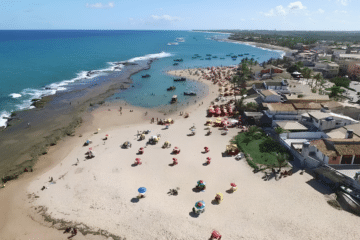
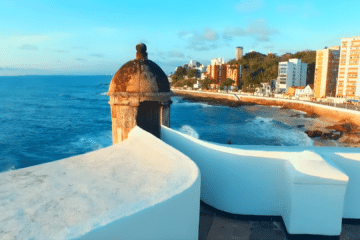
In this travel guide, you’ll discover why Sergipe, the smallest of Brazil’s states, is an irresistible destination: attractive prices, uncrowded beaches and a rare combination of natural beauty and historical treasures, all within short, easily accessible distances.

Location and History
The state of Sergipe is situated in the North-East region, between the states of Bahia and Alagoas. Before gaining autonomy in 1820, Sergipe was part of Bahia. Since then, it has developed its economy, focusing on agricultural production (such as sugar cane, oranges and coconuts) and mineral extraction (such as oil, natural gas, limestone and potash).
Names and Indigenous Culture
The state is named after one of the rivers that flow through it: the Sergipe River, which was given this name by the Indigenous peoples who inhabited the region. ‘Sergipe’ means ‘river of crabs’ and is derived from the contraction of the words siri, y and pe, in Tupi-Guarani. The Tupi-Guarani are one of the ethnic groups that inhabited the area, alongside the Canindé and Aratu ethnic groups.
Geography and Climate
Generally speaking, Sergipe has very flat terrain. The mountain ranges and hills are found only in the region of Canindé de São Francisco and near the border with Bahia. In the coastal region and in the canyon area, it is hot and rains a great deal; whilst in the sertão, the climate is semi-arid, with high temperatures and long periods without rain. The average annual temperature for the state is 26°C.

Natural Wonders
Among the natural wonders, the “Velho Chico” canyon in Canindé de São Francisco stands out; it is considered the fifth largest in the world and the most navigable on the planet. Around 200 kilometres from Aracaju lies the Xingó Canyon, one of the most breathtaking landscapes in Sergipe.
Historic Heritage
From a historical perspective, São Cristóvão, the former state capital, founded in the late 16th century, boasts a beautiful architectural heritage. The folk festivals, such as the reisado, are traditions that evoke popular plays and have existed since the end of the 19th century.
The capital: Aracaju
The capital of Sergipe, Aracaju, was planned to be the seat of the state government from 1855. Its urbanised and bustling Atalaia waterfront, together with the Sergipe Memorial, offers something to suit a variety of interests. The waterfront features bars and restaurants that bring Sergipe’s nightlife to life, whilst the memorial houses a rich collection that bears witness to the history of the city.
Crafts and Festivals
Fans of handicrafts will find a variety of fairs featuring pieces created by artists from the local area. In June, the capital hosts the Forró Caju, a celebration that attracts thousands of people over the course of around a week of festivities.
Religious Heritage
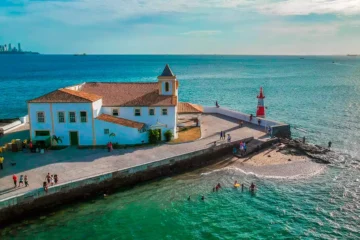
Located near the capital, the town of Laranjeiras is home to one of monuments of greatest historical and religious significance in Sergipe: the Church of Nossa Senhora da Conceição, dating from 1743.
Indigenous Resistance
Having been definitively separated from the Captaincy of Bahia in 1823, Sergipe was one of the regions of the country where the indigenous peoples put up the strongest resistance to colonisation in the 16th century. The name ‘Cirizipe’ or ‘Cerigipe’, which means ‘crab claw’ in Tupi, was the name of one of the indigenous leaders who fought fiercely against the Portuguese. See the map of Sergipe Road Map of Sergipe
Videos about Sergipe’s Tourist Attractions

Sergipe - Guia de Turismo09:01

O que fazer em Sergipe08:57

Atrações turísticas de Sergipe04:17

Sergipe - Guia de Turismo Completo09:10
Litoral Sergipano25:49
Sergipe - Reportagem25:49
Tourist Attractions in Sergipe
Sergipe, Brazil’s smallest state, is a veritable treasure trove of tourist attractions that combine beautiful natural landscapes, history and culture. Here are some of the main attractions you simply must visit on this tour of the state.
1. Aracaju
The capital, Aracaju, is famous for its Orla de Atalaia, home to the iconic ‘Eu Amo Aracaju’ sign and the arches that serve as landmarks.

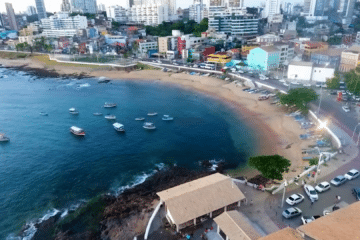
Atalaia Beach, with its bustling promenade and numerous restaurants, is one of the most popular. For those seeking peace and quiet, Aruana Beach is ideal.

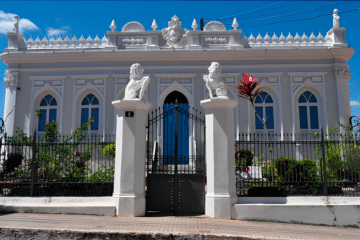
Another highlight is the Aracaju Oceanarium, which is linked to the Tamar Project and dedicated to the conservation of sea turtles, offering an educational and interactive experience for all ages. The Museu da Gente Sergipana and the Palácio Museu Olímpio Campos are must-see attractions for anyone interested in local culture and history.
2. St Christopher
São Cristóvão, Brazil’s fourth-oldest city, is steeped in history and colonial architecture.

São Francisco Square, a UNESCO World Heritage Site, is one of the city’s main attractions, alongside the Museum of Sacred Art, the Sergipe Historical Museum and several historic churches that reflect the city’s rich cultural heritage.
3. Orange groves
Laranjeiras is known for its colonial churches and rich cultural traditions.

The Historic Centre is one of the main attractions, as are the Sacred Heart of Jesus Parish Church, the Afro-Brazilian Museum and the Museum of Sacred Art. The Lambe-Sujo and Caboclinhos Festival is an event that attracts many visitors and celebrates the local culture.
4. Xingó Canyon
The Xingó Canyon, situated in Canindé de São Francisco, is one of the largest navigable canyons in the world and offers breathtaking scenery.

Catamaran trips along the São Francisco River, nature trails and a visit to the Xingó Archaeology Museum are unmissable activities for nature and adventure lovers.
5. Serra de Itabaiana National Park
Located in Itabaiana, the Serra de Itabaiana National Park is an environmental conservation area with a wealth of biodiversity. Visitors can enjoy walking trails, waterfalls and viewing points, as well as exploring Pedra do Sino, one of the highest points in the state.
6. Beaches in Sergipe
The beaches of Sergipe, particularly those in the capital, are renowned for their beauty and facilities.

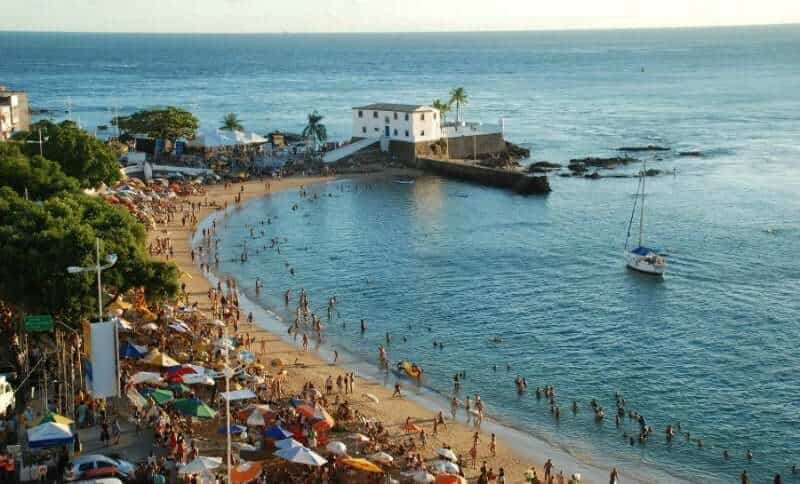
Atalaia Beach is famous for its nightlife and leisure activities, whilst Refúgio Beach and Náufragos Beach offer a more peaceful atmosphere. Saco Beach, situated near Mangue Seco, is considered one of the most beautiful beaches in Brazil, with its dunes, coconut groves and crystal-clear waters. Access by boat from Estância offers a unique experience.
7. The mouth of the São Francisco River
At the mouth of the São Francisco River, in Brejo Grande, the point where the ‘Velho Chico’ meets the sea creates a unique scene.

Boat trips along the river estuary, a visit to Cabeço Island and observing the rich local flora and fauna are memorable experiences.
8. Crôa do Goré and Lovers’ Island
Crôa do Goré and Ilha dos Namorados, both situated near Aracaju, are popular destinations for boat trips.

With sandbanks that emerge at low tide and crystal-clear waters, they are ideal for a day of leisure and relaxation.
9. Parque dos Falcões
The Parque dos Falcões, situated in Itabaiana, is a centre for the conservation of birds of prey, the only one of its kind in Brazil.

Visitors can observe various species of falcons, owls and other birds, as well as take part in environmental education programmes that raise awareness of the importance of conservation.
10. Mangue Seco
Mangue Seco, on the border between Sergipe and Bahia, is a picturesque village famous for its landscapes of dunes and mangrove swamps, as well as being the setting for the novel ‘Tieta do Agreste’.

Buggy rides through the dunes and along the quiet beaches are activities much enjoyed by tourists.
Tourism Publications on Sergipe
- Atalaia Beach, the most popular beach in Aracaju.
- Catamaran or schooner trips through the São Francisco River canyon, in Canindé de São Francisco.
- The historic centre and the Museum of Sacred Art in São Cristovão.
- The beautiful architectural ensemble of the town of Laranjeiras, which was founded in the late 16th century.
- Sergipe’s southern coast attracts tourists seeking peace and quiet
- Croa do Goré Island is only open for six hours a day
- Ponta dos Mangues Beach in the Santa Isabel Biological Reserve
- Santa Luzia Island is a haven for surfers and fishermen
- Pirambu is a fishing centre in the North-East and also boasts beautiful beaches
- Praia do Saco is a great choice for those seeking peace and quiet
- The Sergipe Pantanal in Pacatuba
- Parque dos Falcões and the Itabaiana Mountains
- The Xingó Canyon is a paradise situated in the hinterland of Sergipe
- 7-day guide to Sergipe: a comprehensive itinerary around the state
Tips for Visitors
- Best time to visit: The best time to visit Sergipe is during the dry season, from September to March.
- Transport: Aracaju is a good starting point for exploring the state, with a range of transport options, including buses and taxi/ride-sharing services.
- Ready-made itinerary: if you have about a week to spare, take a look at our 7-day itinerary for Sergipe, with suggested day-by-day itineraries taking in the state’s beaches and historic towns.
Sergipe offers a rich variety of attractions, ranging from idyllic beaches and stunning natural landscapes to historic towns and a vibrant culture. Every corner of the state offers a unique and authentic experience — and, as you’ve seen in this travel guide, you can discover the best of Sergipe without spending a fortune or travelling long distances.
When to visit Sergipe
- In January, if you’d like to watch the folk performances at the Cultural Festival, which take place in Laranjeiras and are a key part of the region’s folk art.
- To make the most of the beach or your trips along the São Francisco River, avoid the months when it rains the most (April to July).
- In June, when the Forró Caju takes place, the highlight of the São João celebrations.
How to get to Sergipe
The main point of access is via the Aracaju/Santa Maria International Airport (AJU), which receives direct flights from Brazil’s main capital cities and is situated approximately 12 km from the city centre and the Atalaia seafront. For those travelling by car, the main access roads are the BR-101 (linking Bahia and Alagoas) and the BR-235, which provides access to the interior of the state, including the Xingó Canyon. There are also regular intercity bus services connecting Aracaju to Salvador, Maceió and Recife.
Where to Stay in Sergipe
For most visitors, the Atalaia seafront in Aracaju is the most convenient base: it is home to hotels and guesthouses in all price ranges, as well as bars, restaurants and easy access to the capital’s beaches. Those who prioritise history and tranquillity may prefer to stay in São Cristóvão or Laranjeiras, historic towns less than an hour from Aracaju. For those planning to focus on the Xingó Canyon, it’s best to look for guesthouses in Canindé de São Francisco or Piranhas (AL), which are closer to the departure points for the catamaran tours.
Frequently Asked Questions
How many days does it take to explore Sergipe?
A trip lasting 5 to 7 days gives you plenty of time to explore Aracaju, São Cristóvão, Laranjeiras and the Xingó Canyon at a leisurely pace. For those with less time, 3 days are enough to make the most of the capital and one or two nearby historic towns.
When is the best time to visit Sergipe?
The months from September to March see less rain and are ideal for a beach holiday. In June, it’s well worth checking out the Forró Caju, one of the biggest June festivals in the North-East, and in January, the Laranjeiras Cultural Festival, dedicated to popular culture.
Is Sergipe safe for tourists?
Yes, particularly in tourist areas such as the Atalaia seafront in Aracaju and the historic centres of São Cristóvão and Laranjeiras. As with any destination, it is worth taking basic safety precautions, especially at night.
Which are the most beautiful beaches in Sergipe?
Atalaia and Aruana, in Aracaju, are among the most popular destinations due to their infrastructure. Praia do Saco, near Mangue Seco, and Ilha Croa do Goré, on the other hand, appeal to those seeking more unspoilt and peaceful landscapes.
How do you get to Sergipe by plane?
The state is served by Aracaju/Santa Maria International Airport (AJU), with direct flights from Brazil’s main capital cities; the airport is situated approximately 12 km from the centre and the seafront of Atalaia.
Is the Xingó Canyon worth a visit?
Yes. It is considered the fifth-largest navigable canyon in the world, offering catamaran trips along the São Francisco River, nature trails and the Xingó Archaeology Museum, making it one of the most memorable attractions in the state.
Is Sergipe a long way from other tourist towns in the North-East?
No. Aracaju is about 350 km from Salvador (Bahia) and 240 km from Maceió (Alagoas), which makes it easy to combine a visit to Sergipe with a wider tour of the north-eastern coast.

Publicações Relacionadas
Xingó Canyon — Tours, How to Get There and Accommodation
7-day itinerary around Sergipe: Aracaju, Xingó and the beaches
Pacatuba SE and the Sergipe Pantanal: Tourist Guide

The South Coast of Sergipe: A Travel Guide and Things to Do

Parque dos Falcões and the Itabaiana Mountains, Sergipe: Tourist Guide
Croa do Goré Island, Aracaju (SE): A Comprehensive Travel Guide
Ponta dos Mangues Beach and the Santa Isabel Biological Reserve: Tourist Guide

Discover Santa Luzia Island: A Comprehensive Travel Guide to Sergipe
Discover Pirambu: A Comprehensive Travel Guide to the North Coast of Sergipe

Praia do Saco (SE, Brazil): How to Get There, Tours & Stays

Discover Canindé de São Francisco: A Comprehensive Travel Guide to a Paradise of Culture and Nature

Discover São Cristóvão: A Complete Tourist Guide to a Historical Treasure in Sergipe
Laranjeiras: A Guide to Tourism and Cultural Heritage in the Heart of Sergipe
Discover Aracaju: The Complete Travel Guide to the Capital of Sergipe
This post is also on:
 Português
  English
  Deutsch
  Español
  Français