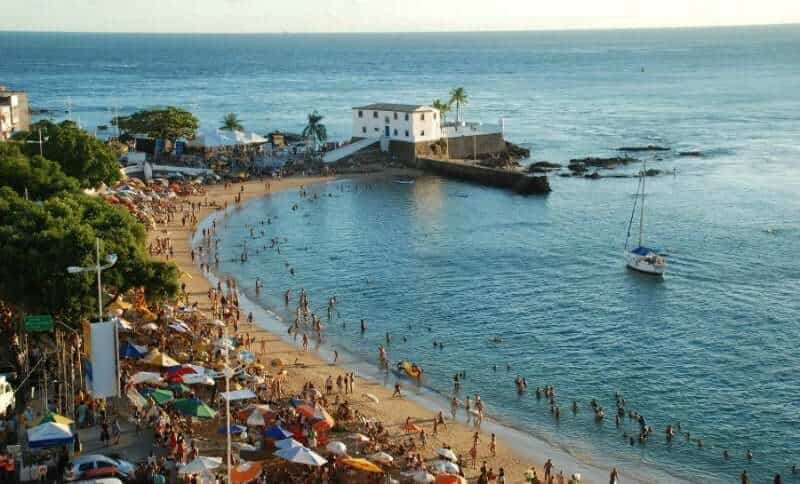
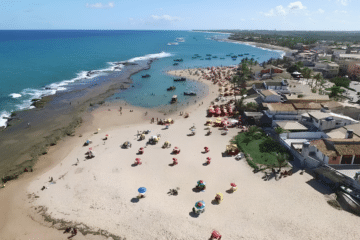
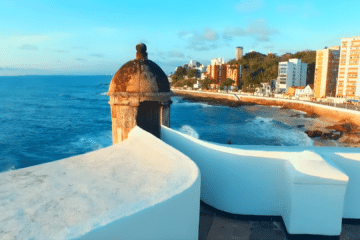
The beauty of the beaches of the Paraíba coast, combined with the quiet and security of the cities, make Paraíba the ideal destination for your trip.
The beaches of the Paraíba coast are the main attractions of the region. With a temperature of 28º C all year round, Paraíba is a invitation to tourism.

It boasts the first sunrise in the Americas (Ponta do Seixas), the first natural beach in the northeast (Tambaba) and even a sound track.
João Pessoa, on the coast of Paraíba, due to its privileged location (it is in the centre of the Paraíba coast), is the starting point for getting to know the beautiful Paraíba coast. Founded in 1585, the city manages to combine history and nature.
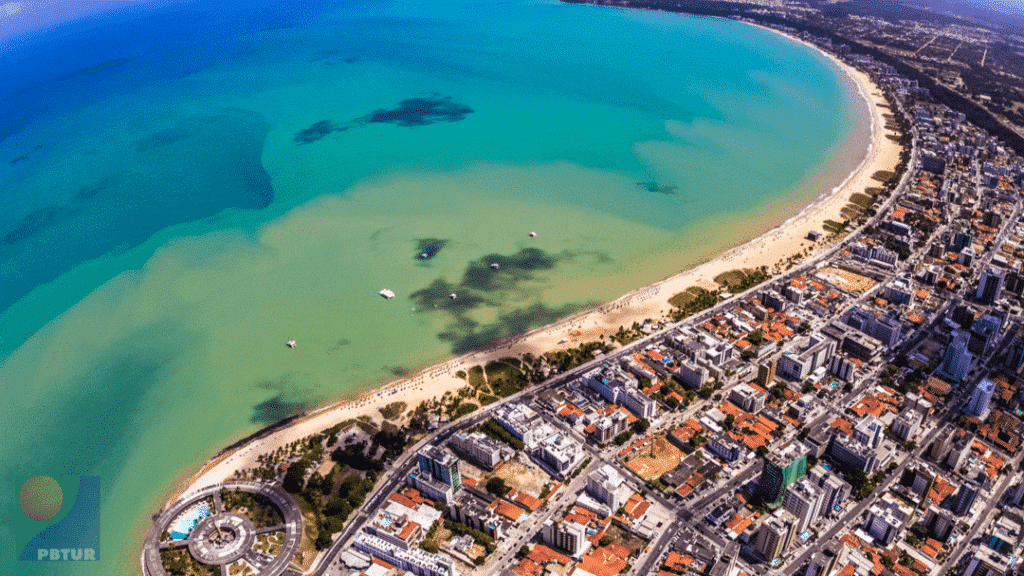
João Pessoa is known for having one of the largest urban green areas and for its strict municipal legislation, which limits buildings on the seafront to a maximum of 3 storeys.

Beaches and Tourist Attractions of the Paraíba Coast
- Urban beaches of João Pessoa PB
- North coast of Paraíba
- South Coast of Paraíba
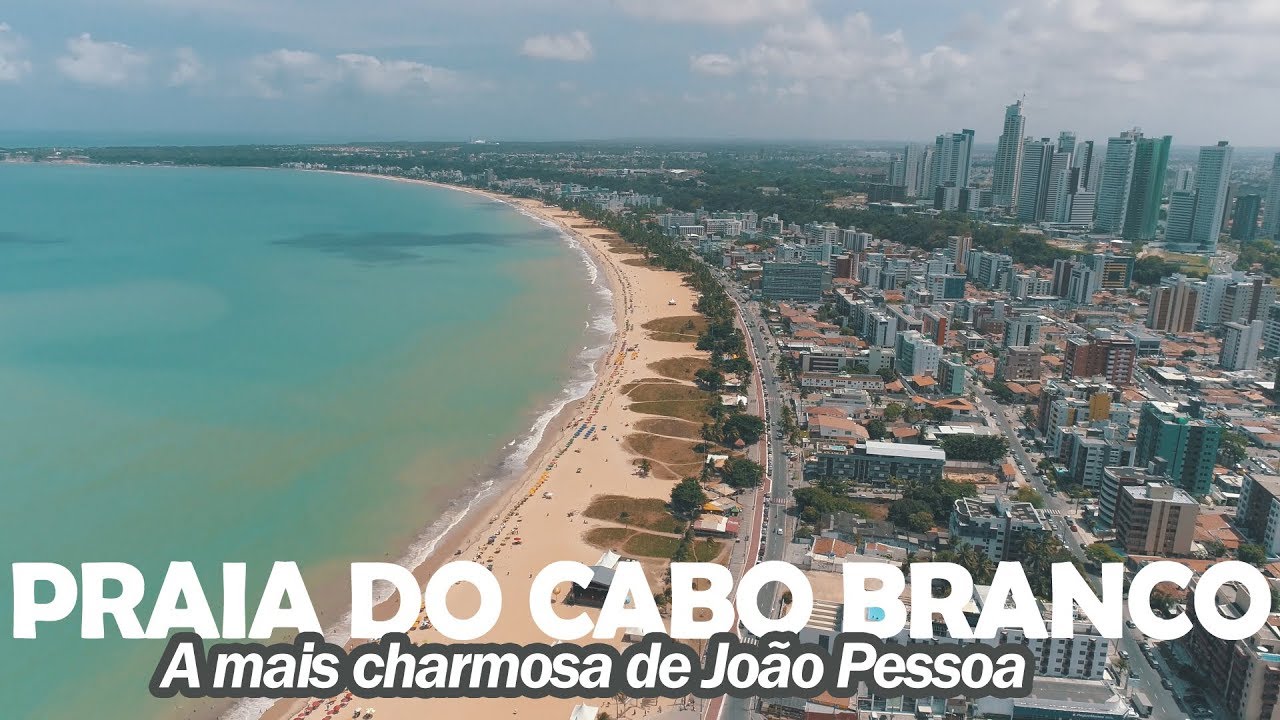
Praia de Tambaú, Cabo Branco e Ponta do Seixas - P 113:09
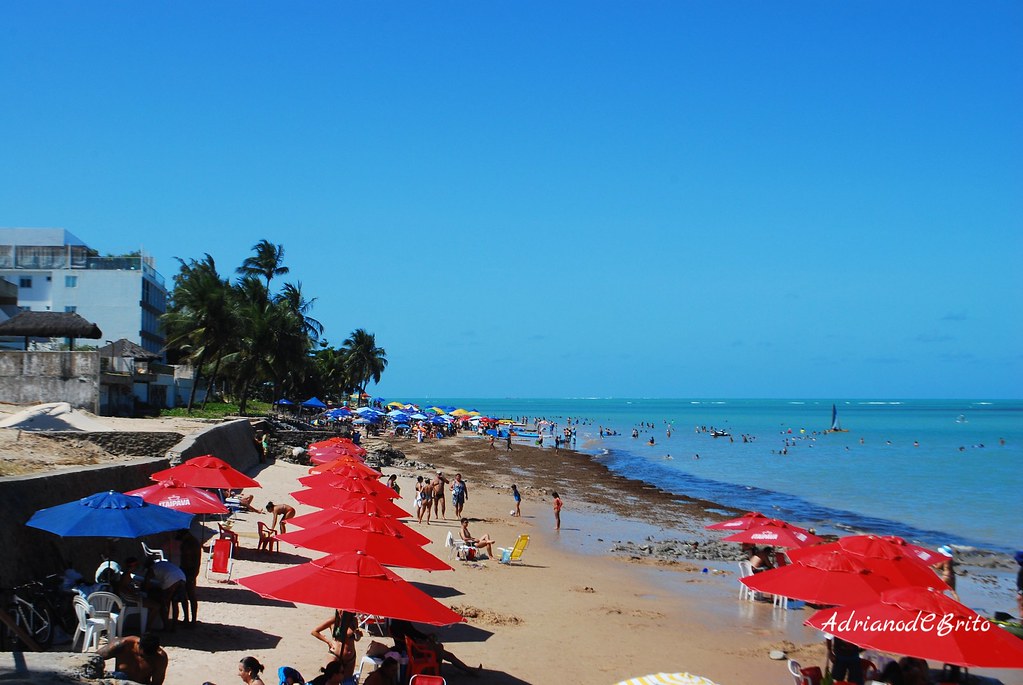
Praia de Manaíra, Bessa e Caribessa - Parte 213:43
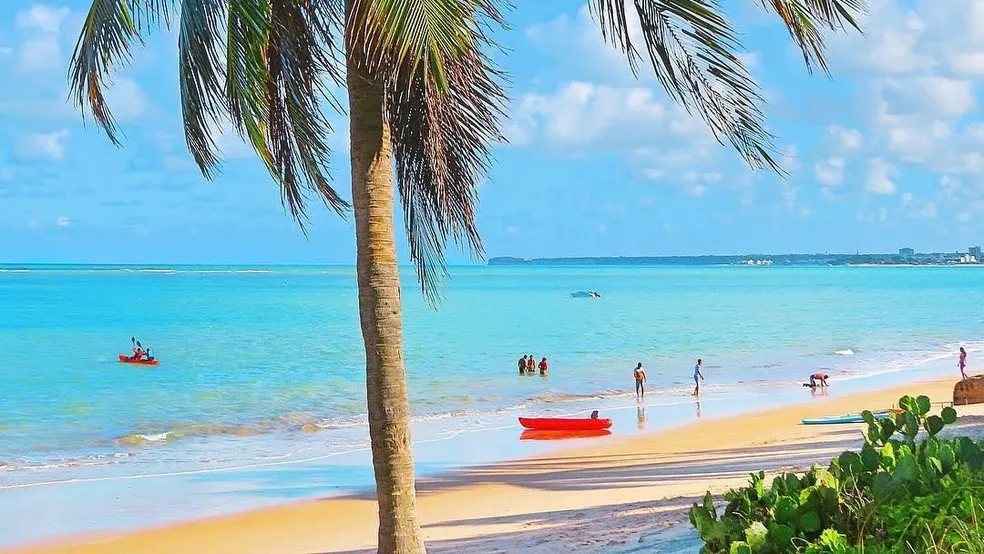
Praia do Bessa em João Pessoa PB13:37
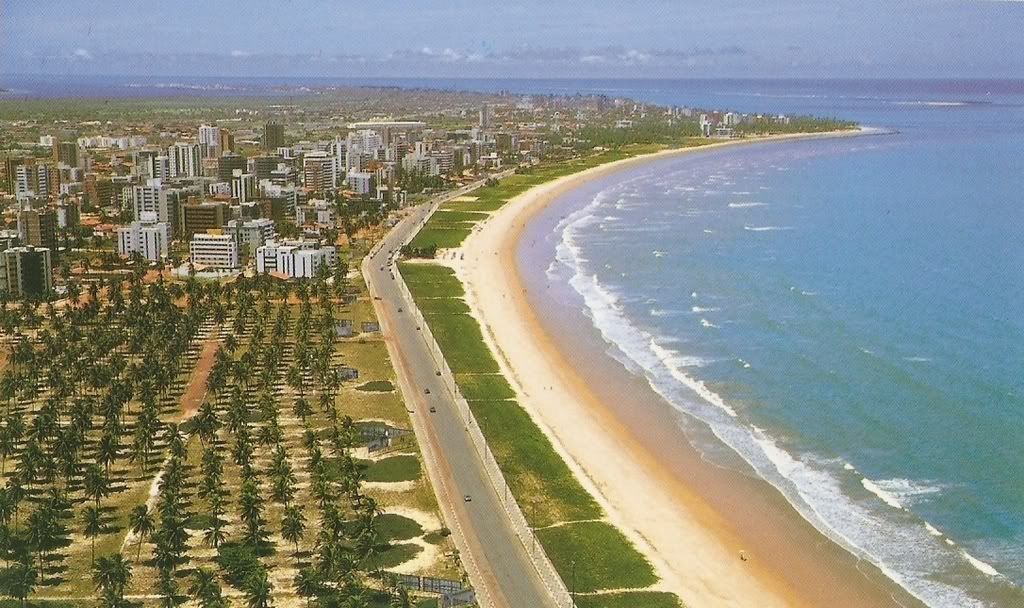
Praia de Cabo Branco e Tambaú em João Pessoa PB05:45
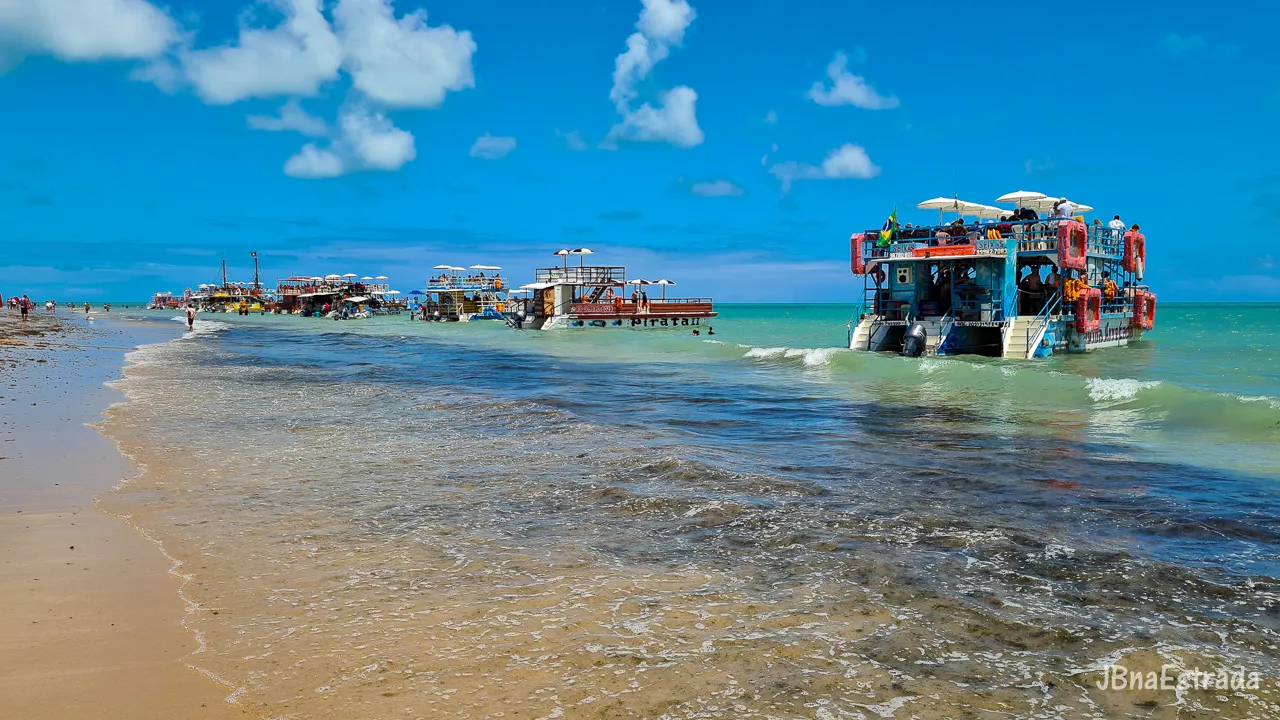
Praia de Intermares em Cabedelo PB
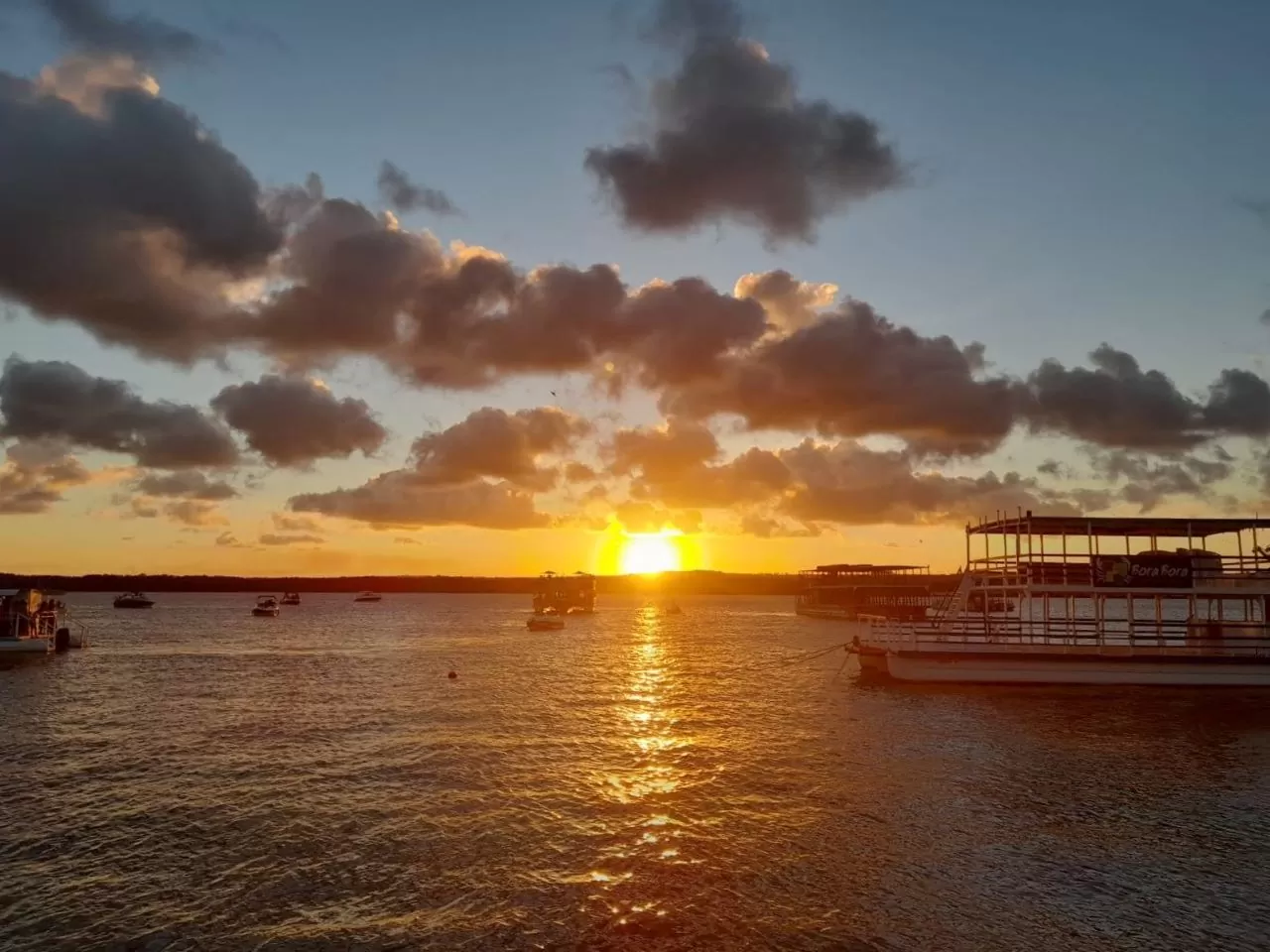
Praia do Jacaré em Cabedelo PB06:47
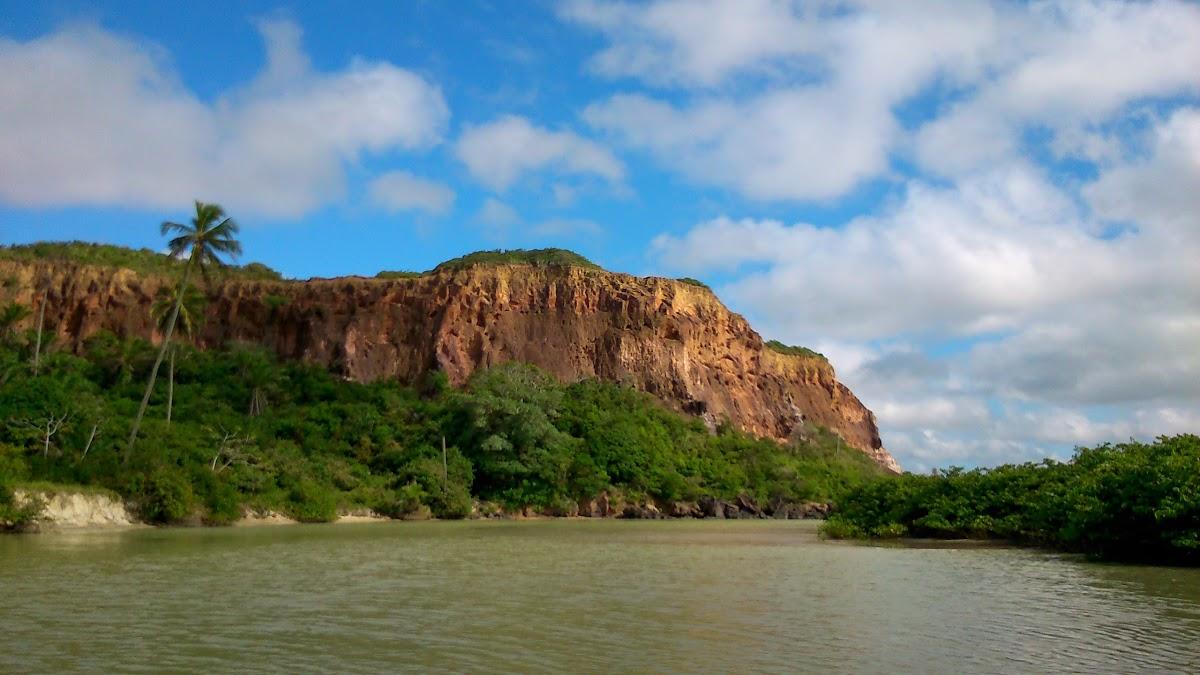
Lucena PB - Guia de Turismo04:12
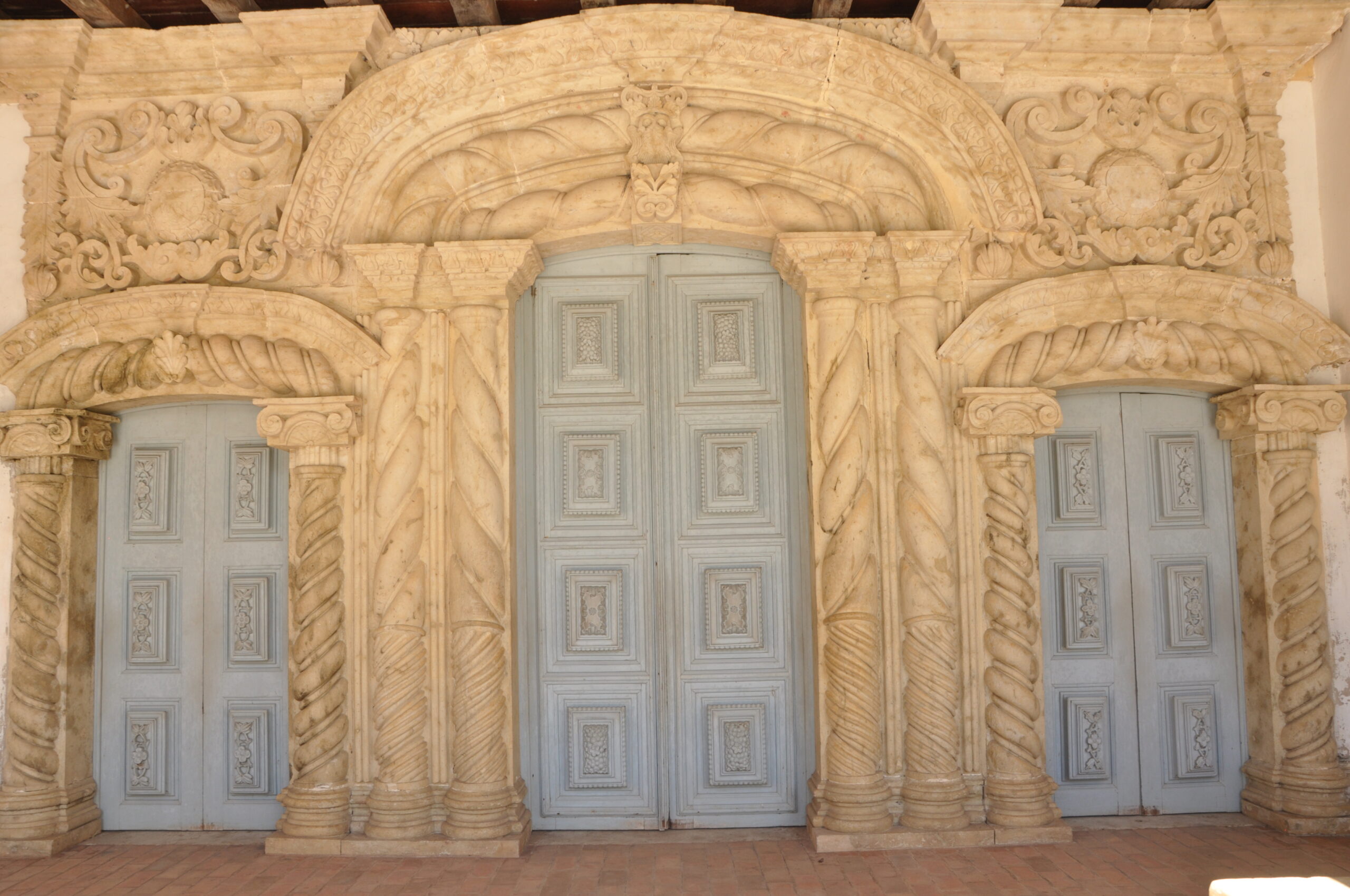
Igreja de Nossa Senhora da Guia em Lucena PB04:57
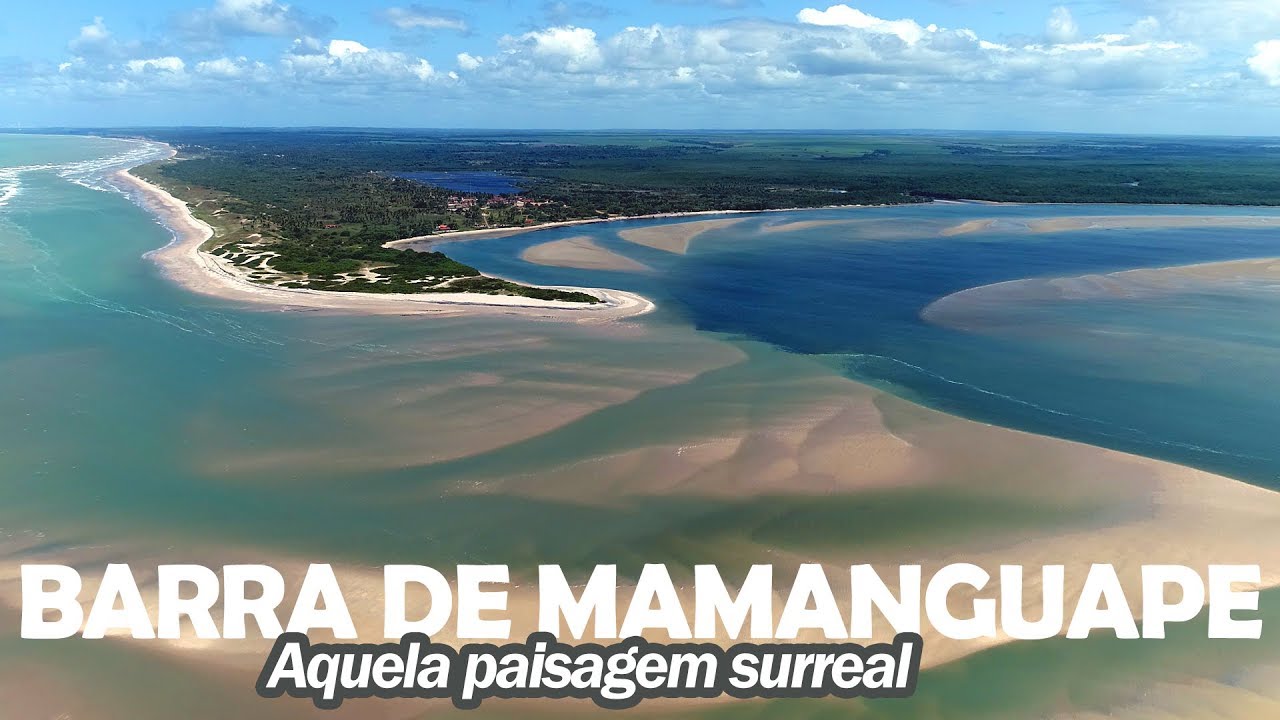
Barra de Mamanguape PB14:46
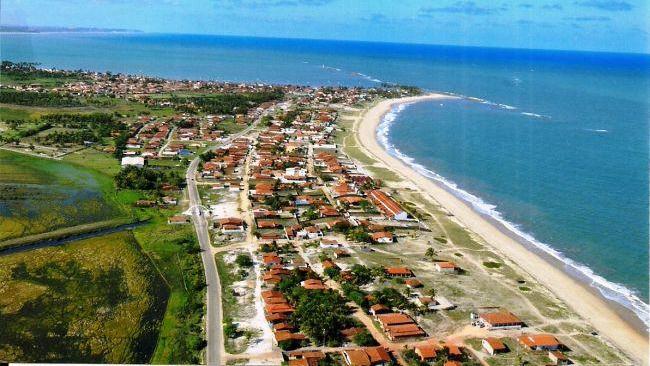
Baía da Traição PB13:17
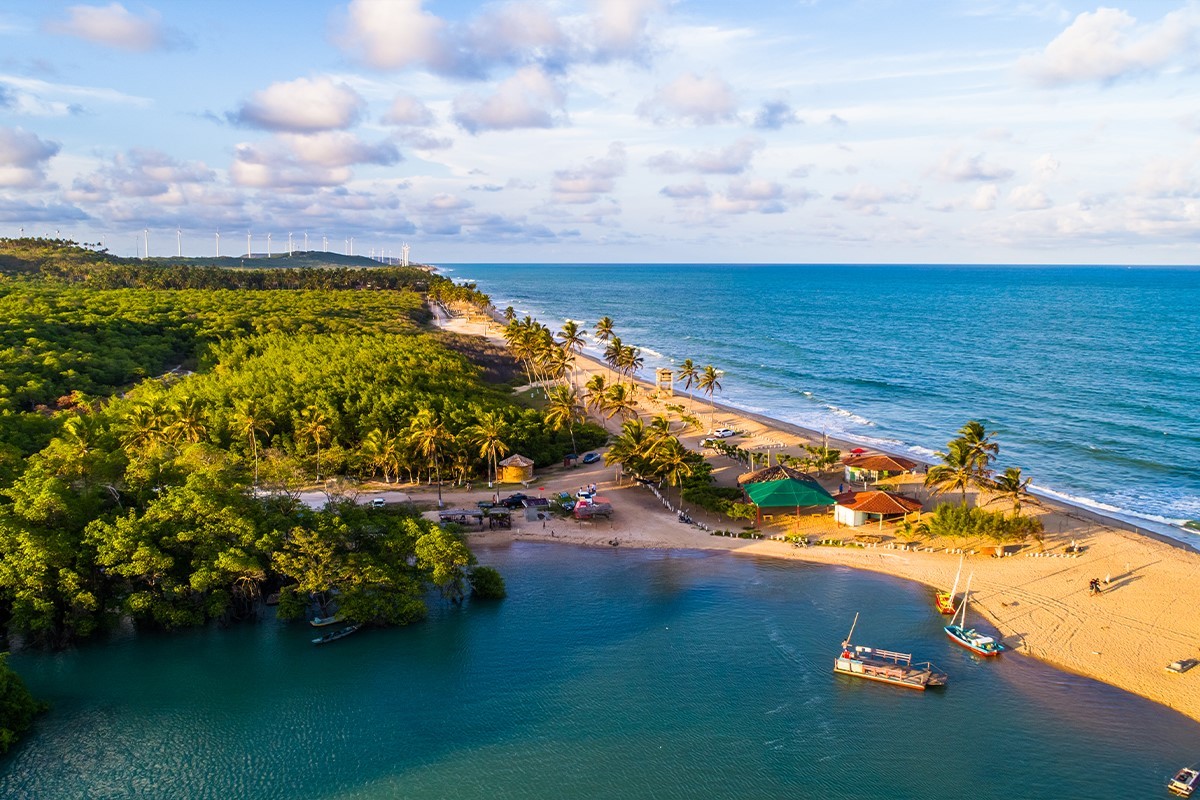
Barra de Camaratuba PB01:22
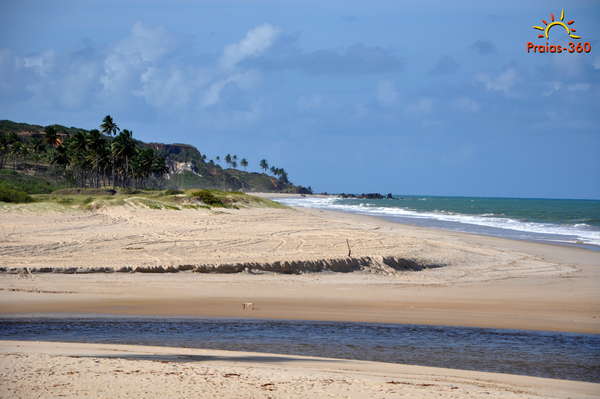
Praia Bela e Barra do Graú - Pitimbu16:33
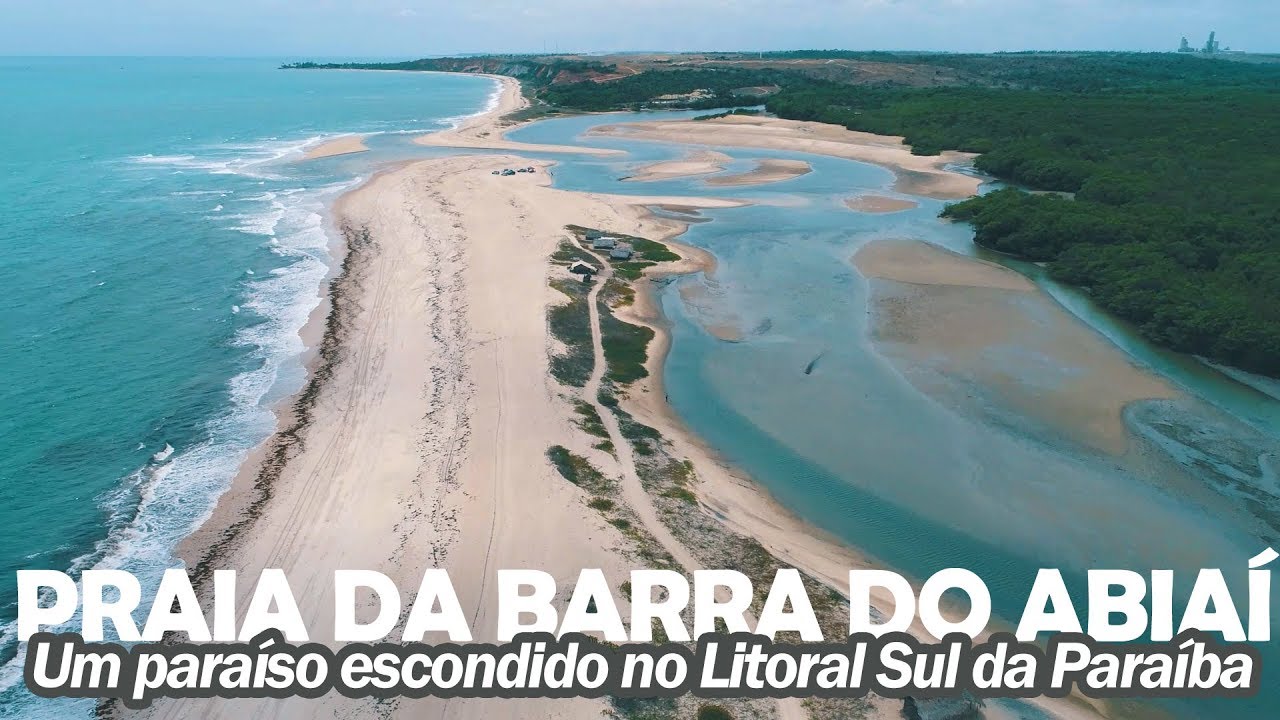
Praia da Barra do Abiaí - Pitimbu07:56
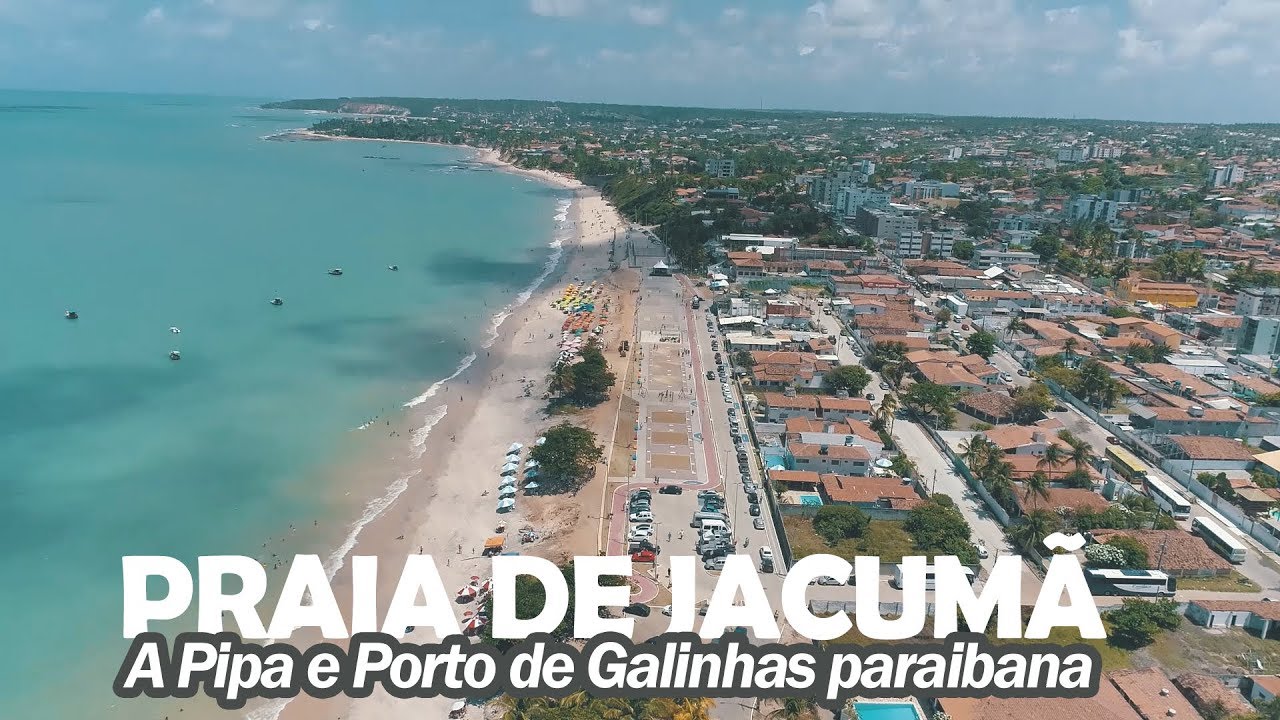
Praia de Jacumã - Conde08:58
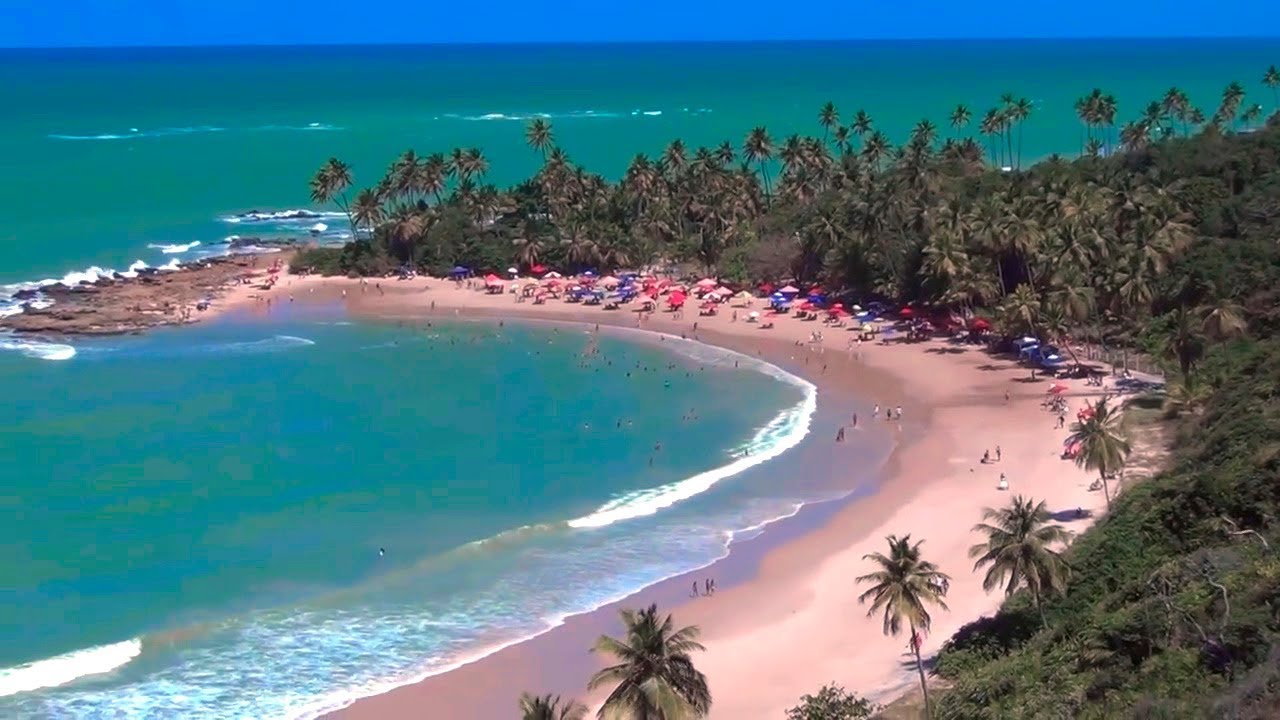
Praia de Coqueirinho - Conde16:12
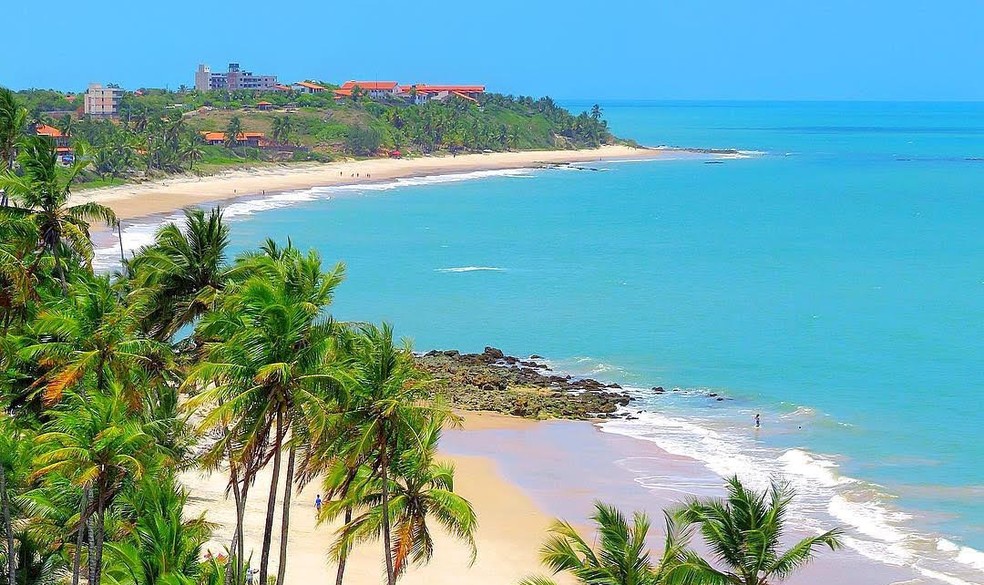
Praia de Tabatinga na Paraíba10:45
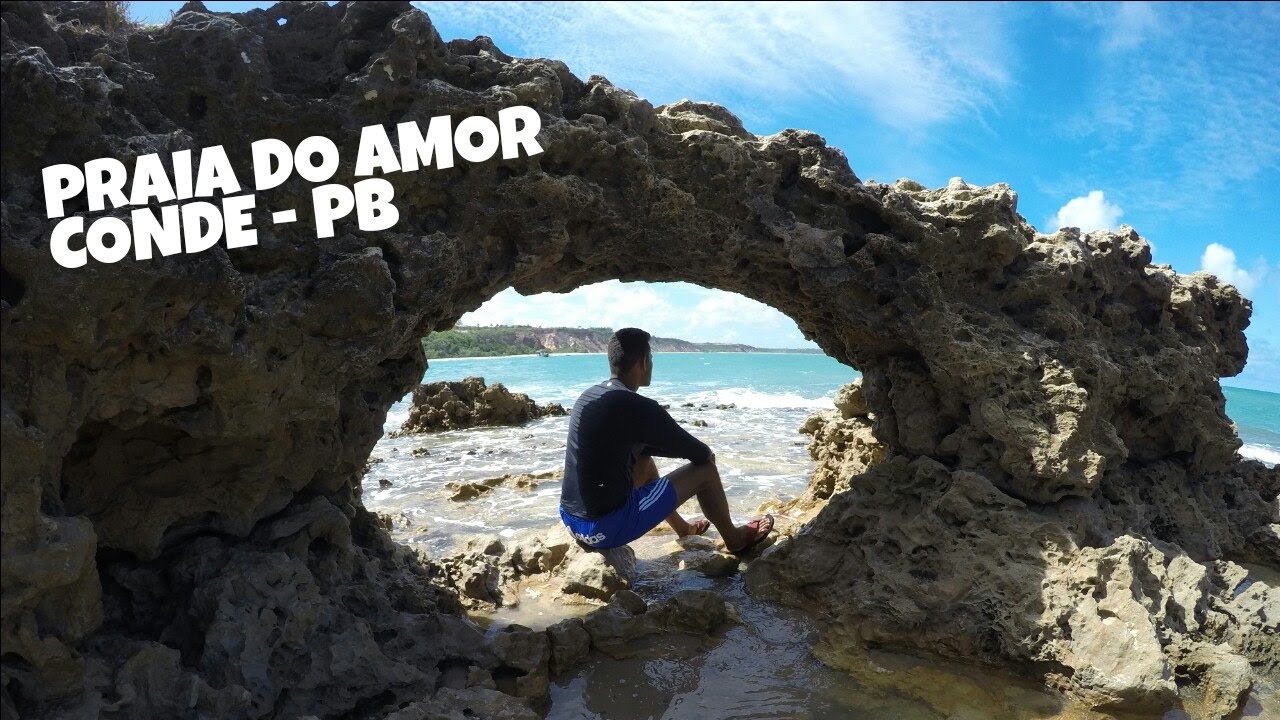
Praia do Amor - Conde10:52
Barra do Graú na Paraíba02:01
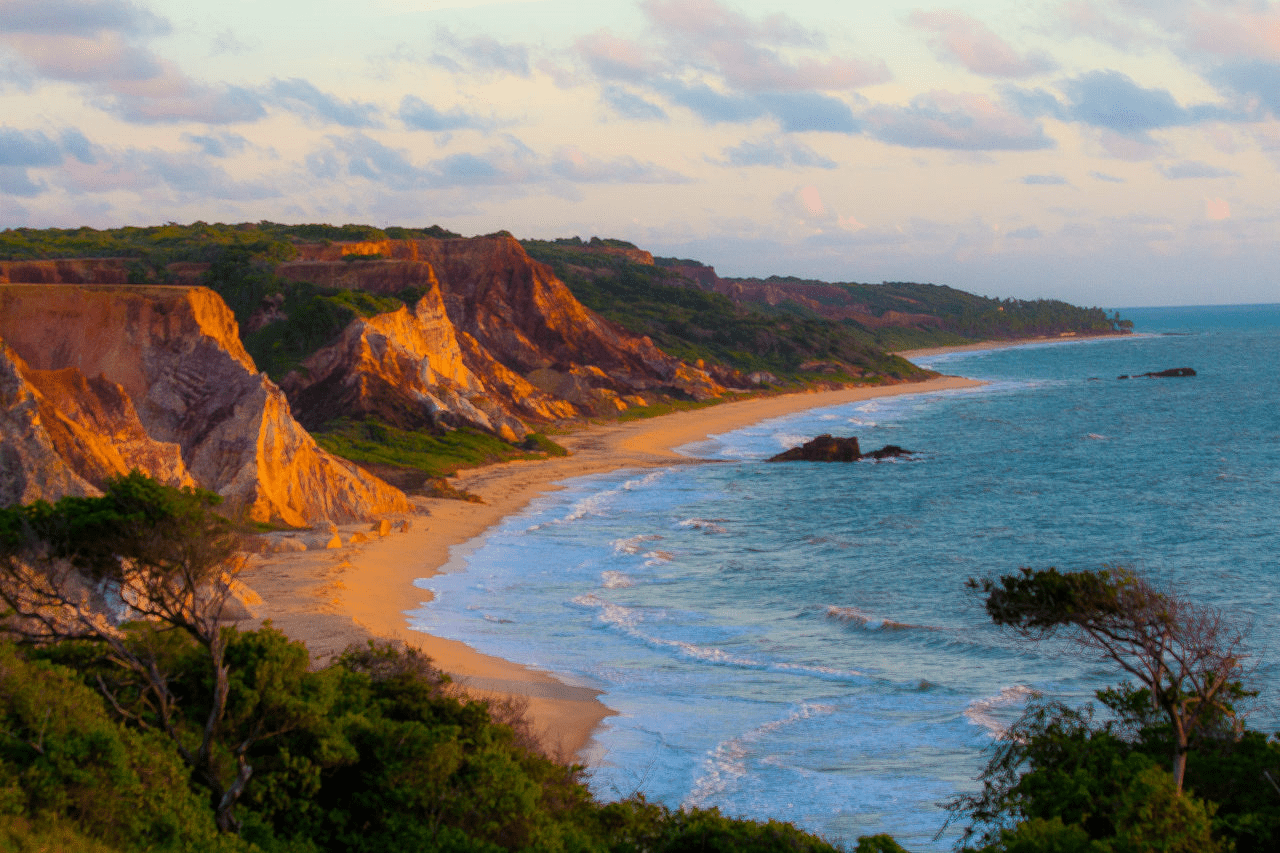
Praia de Tambaba na Paraíba03:36
The contrast between Paraíba’s north and south coasts
Paraíba’s coastline is divided into the North Coast and the South Coast, each with different characteristics and unique attractions.
Main differences
- Tourist development: The South Coast is more developed and popular with tourists, while the North Coast is more unspoilt and peaceful.
- Culture and Communities: The North Coast has a strong indigenous influence, while the South Coast is more influenced by its proximity to João Pessoa and urban culture.
- Activities: The South Coast offers more tourist and sports activities, while the North Coast is ideal for ecotourism and authentic cultural experiences.
In short The North Coast of Paraíba is ideal for those looking for a more peaceful, unspoilt and culturally rich environment, while the South Coast offers more infrastructure, tourist activities and popular beaches.
See also Best beaches in João Pessoa, North and South Coast of Paraíba
1. João Pessoa PB’s Urban Beaches
There are 30 kilometres of a privileged combination of infrastructure and lively urban beaches.
João Pessoa, the capital of Paraíba, is known for its beautiful and accessible urban beaches.

João Pessoa has 30 kilometres of beautiful urban beaches:
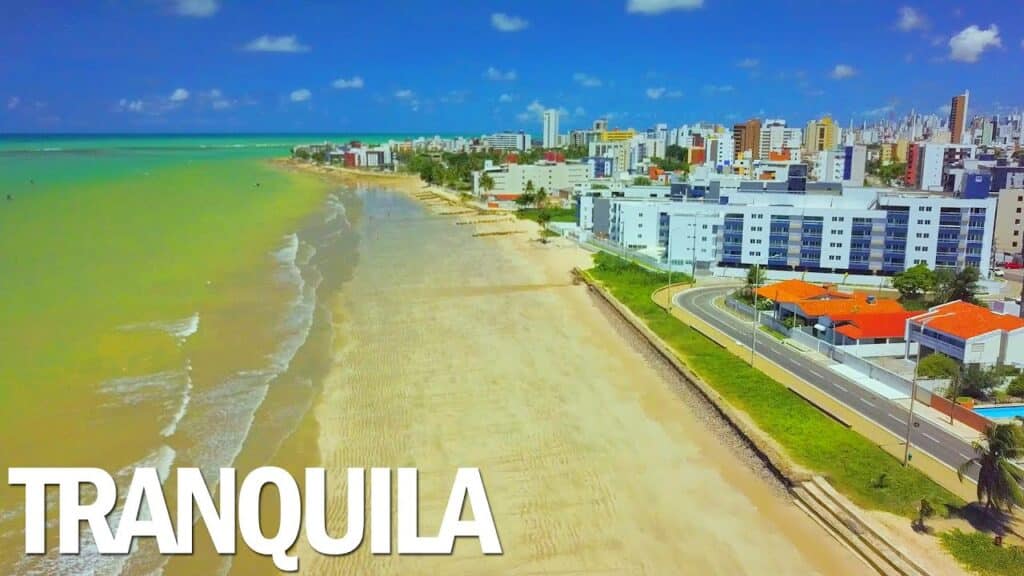
- Praia de Tambaú: One of the city’s most popular beaches, known for its vibrant atmosphere, craft markets and boat trips to the natural pools of Picãozinho, a true paradise for visitors.
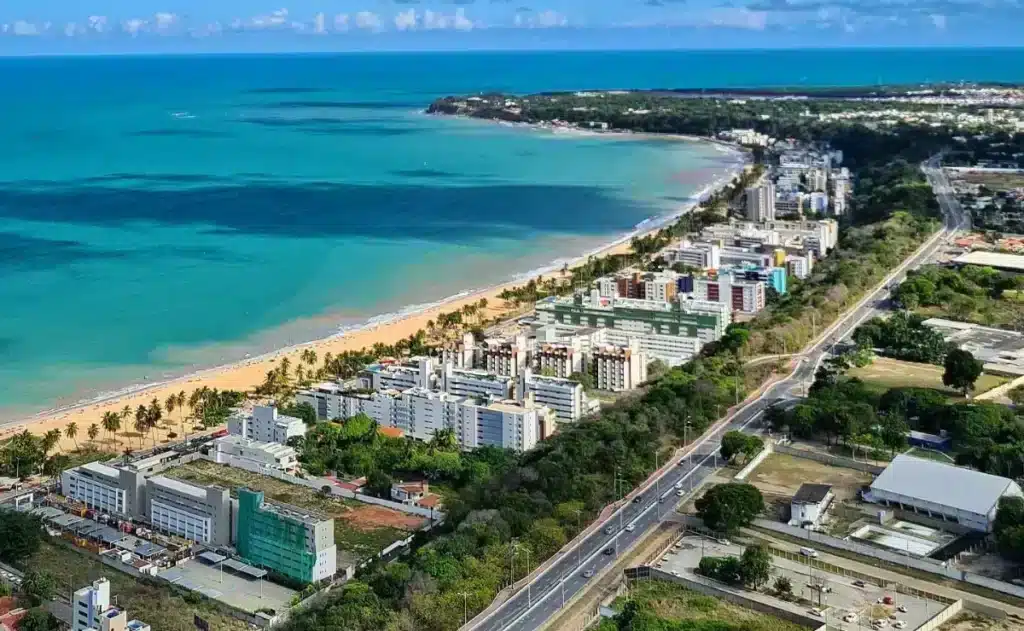
- Cabo Branco Beach: Famous for the iconic Cabo Branco lighthouse, which is the highest point in the city, and for its promenade, which is ideal for walking and cycling and offers breathtaking views of the coastline.
- Manaíra Beach: Although less popular for swimming due to rocks that make access to the water difficult in some areas, Manaíra offers beautiful views, a variety of restaurants and is close to Manaíra Shopping, a major shopping centre.
- Praia do Bessa: With calm, warm waters, it is perfect for families. A popular spot for stand-up paddling, it has several kiosks and restaurants and is a popular venue for events and festivals.
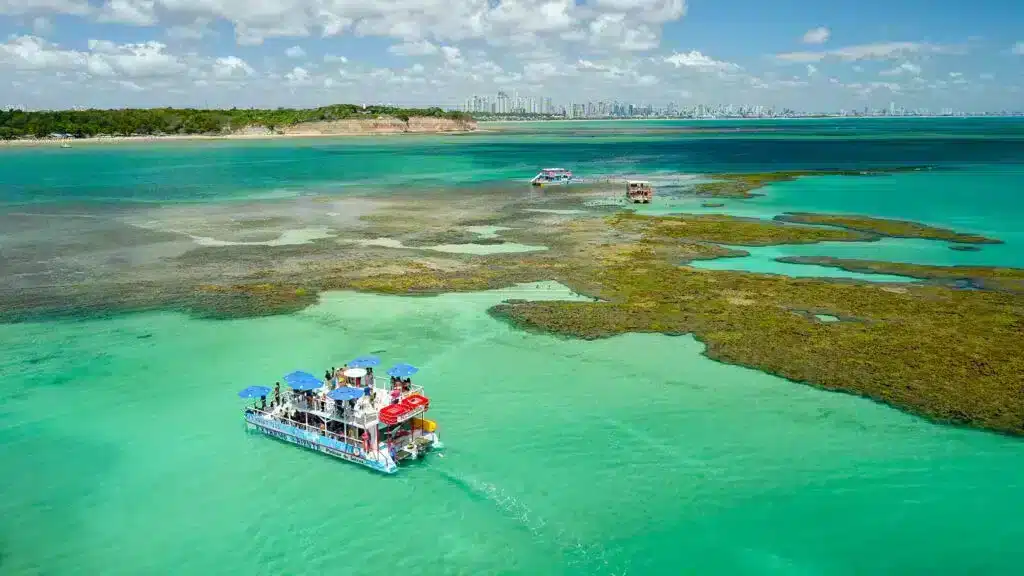
- Seixas Beach: Considered the most easterly point in the Americas, it is ideal for watching the sunrise. Its clear waters and coral reefs make it ideal for snorkelling, attracting marine life enthusiasts.
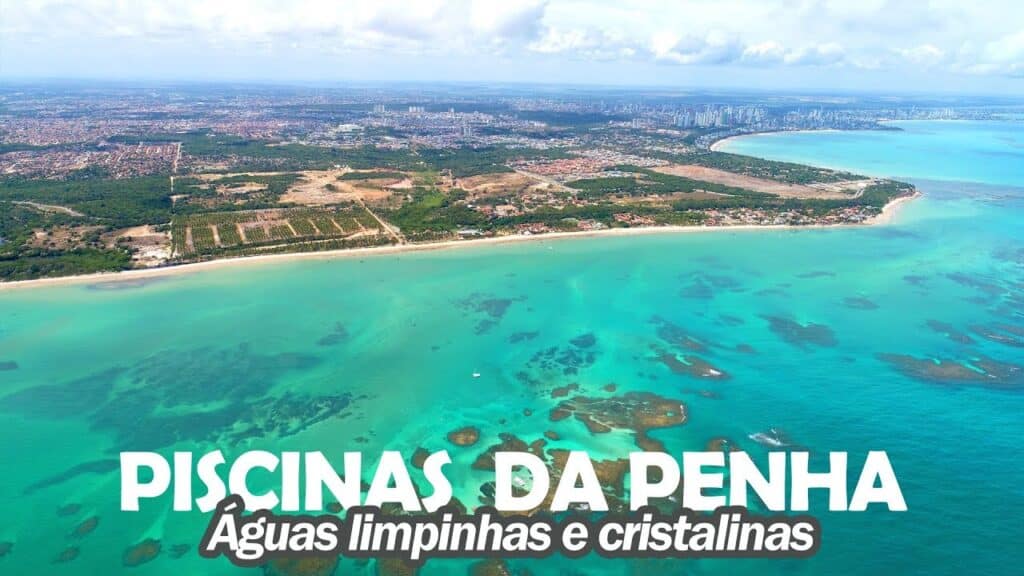
- Praia da Penha: Secluded and quiet, it is home to the historic Igreja da Penha, a major tourist attraction and place of historical interest, offering visitors a tranquil and cultural atmosphere.

Cabo Branco lighthouse
The Cabo Branco lighthouse is located in a coastal area near the Cabo Branco beach in João Pessoa, Paraíba, Brazil. It’s a very famous tourist spot and here’s some information about it:
- Location: The Cabo Branco Lighthouse is located at the easternmost point of the Americas, marking the spot where the sun rises first.
- History: Inaugurated in 1972, the lighthouse features modern, minimalist architecture designed by Pedro Abraão Dieb and was built to aid navigation.
- Attractions: In addition to visiting the lighthouse, which offers an incredible panoramic view of the Atlantic Ocean and the coast of Paraiba, the site has a contemplation area, trails and a beautiful natural landscape all around, ideal for hiking.
- Visiting: It is possible to visit the lighthouse every day, with specific opening hours that may vary throughout the year. Admission is generally free, but restrictions may apply on public holidays or during special events.
- Cultural Interest: As well as being an important geographical landmark, the Cabo Branco lighthouse has become a cultural and tourist symbol of the city of João Pessoa. It is a popular place to visit and watch the sunrise and sunset, attracting many photographers and nature lovers.

For those who love history, architecture and beautiful natural views, a visit to the Cabo Branco lighthouse is highly recommended when exploring the region’s beauties.
See the map of Paraíba’s beaches
Beaches and Tourist Attractions in the Municipalities of the North Coast of Paraíba
The North Coast of Paraíba has several beaches, distributed among its municipalities:
- Cabedelo
- Lucena
- Rio Tinto
- Baía da Traição
- Mataraca
- Marking
1. Cabedelo
Cabedelo is a municipality in the metropolitan region of João Pessoa, the capital of the state of Paraíba, Brazil. With a rich history and beautiful beaches, Cabedelo is a popular tourist destination in the region.
1. History and culture
- Foundation: Cabedelo became a municipality on 4 November 1959 and its history is linked to the defence of the Brazilian coast against foreign invasions.
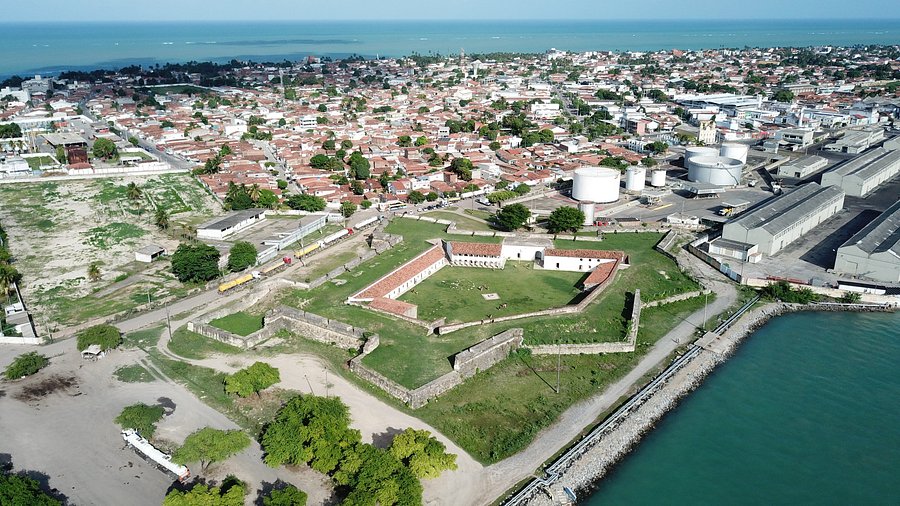
- Fortaleza de Santa Catarina: One of the main historical tourist attractions, built in the 16th century to protect the region from pirate attacks and invaders. It is a National Historic Site that played a crucial role during the wars of invasion.
2. Beaches and Attractions
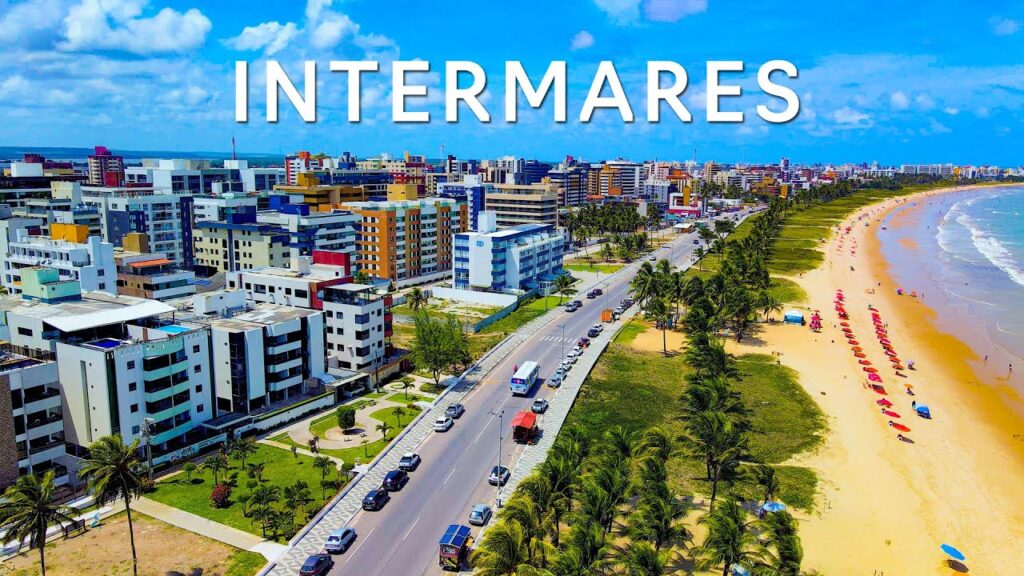
- Intermares Beach: Popular with surfers for its good waves and known for hosting surfing events. It is also a place to watch sea turtles nesting.
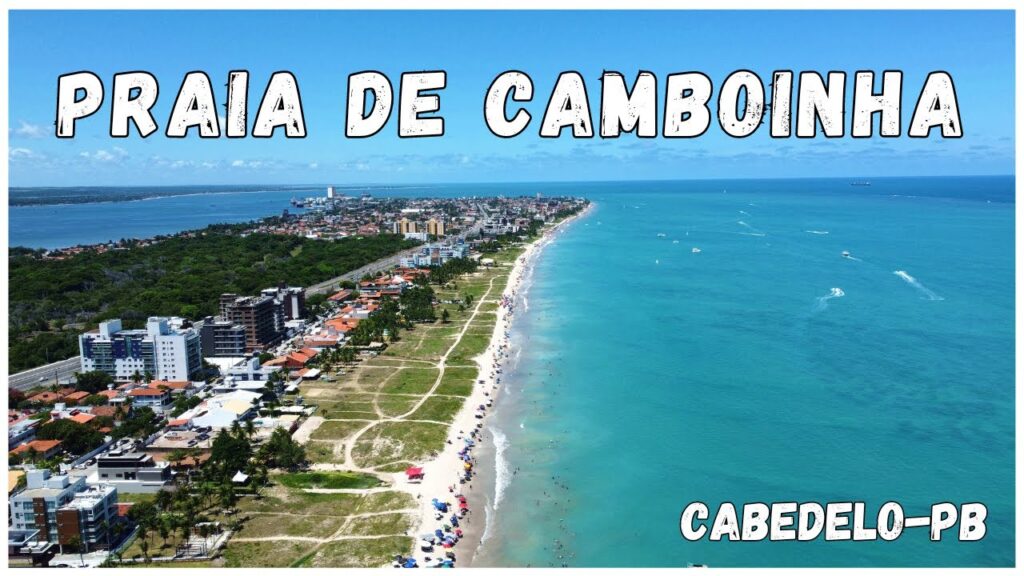
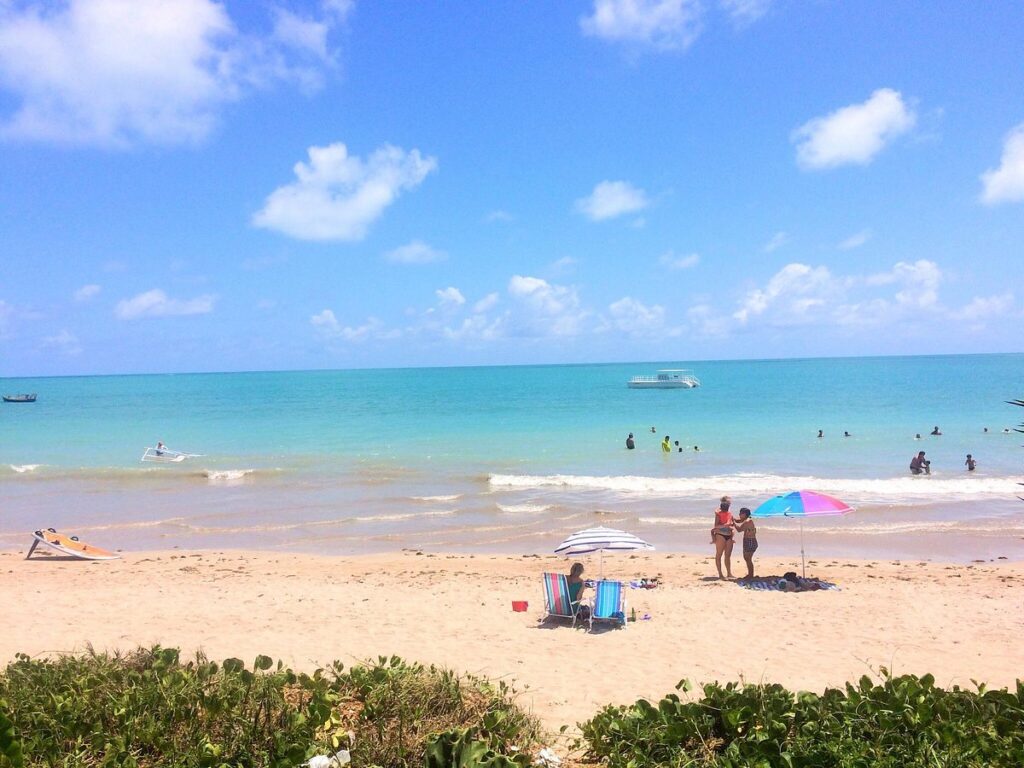
- Camboinha Beach: Known for its calm, crystal clear waters and ideal for families. It has an infrastructure of bars and restaurants and is a popular spot for sunbathing and water activities.
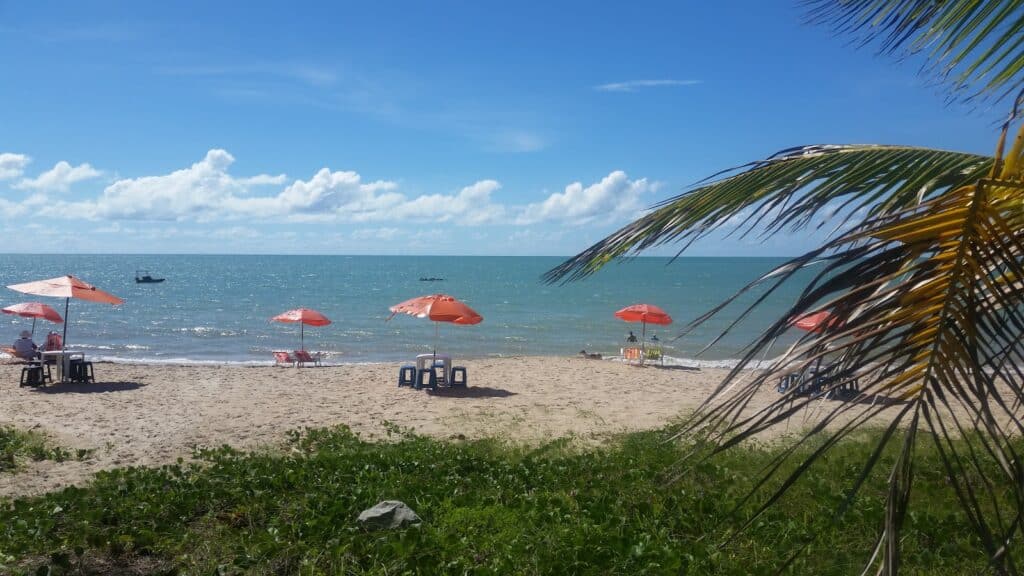
- Praia do Poço: Quieter and less crowded, ideal for those seeking relaxation away from the crowds.
- Praia Formosa: Clear waters and fine sand, perfect for strolling along the seafront, especially at dawn or dusk.
- Praia do Jacaré: Famous for its sunsets to the sound of the Bolero de Ravel, a local tradition that attracts many tourists. The beach has bars, restaurants and boat trips.
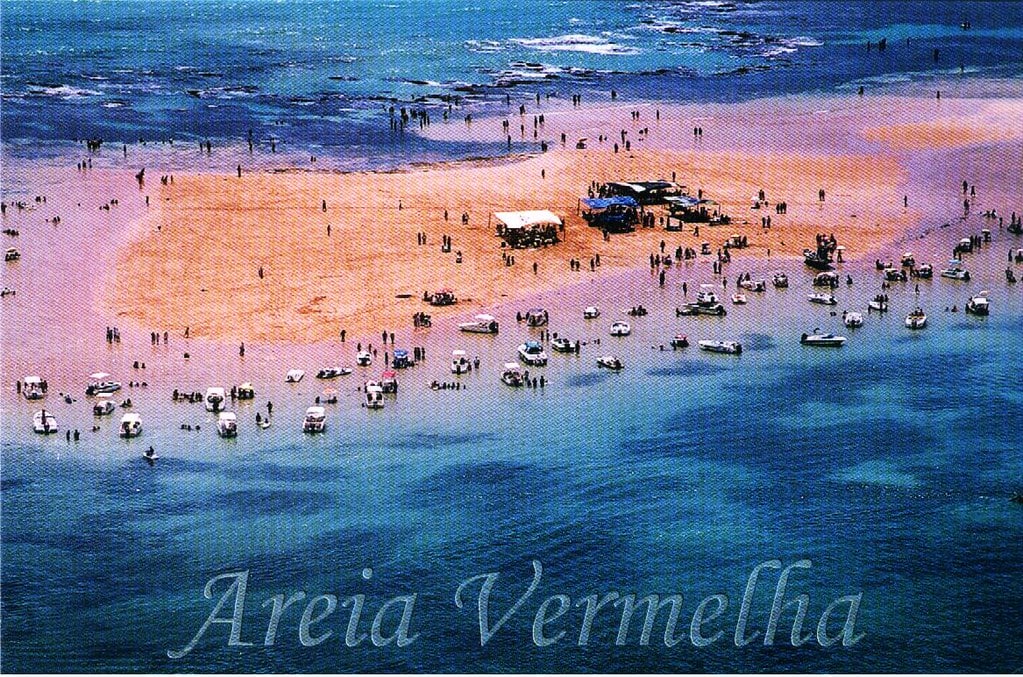
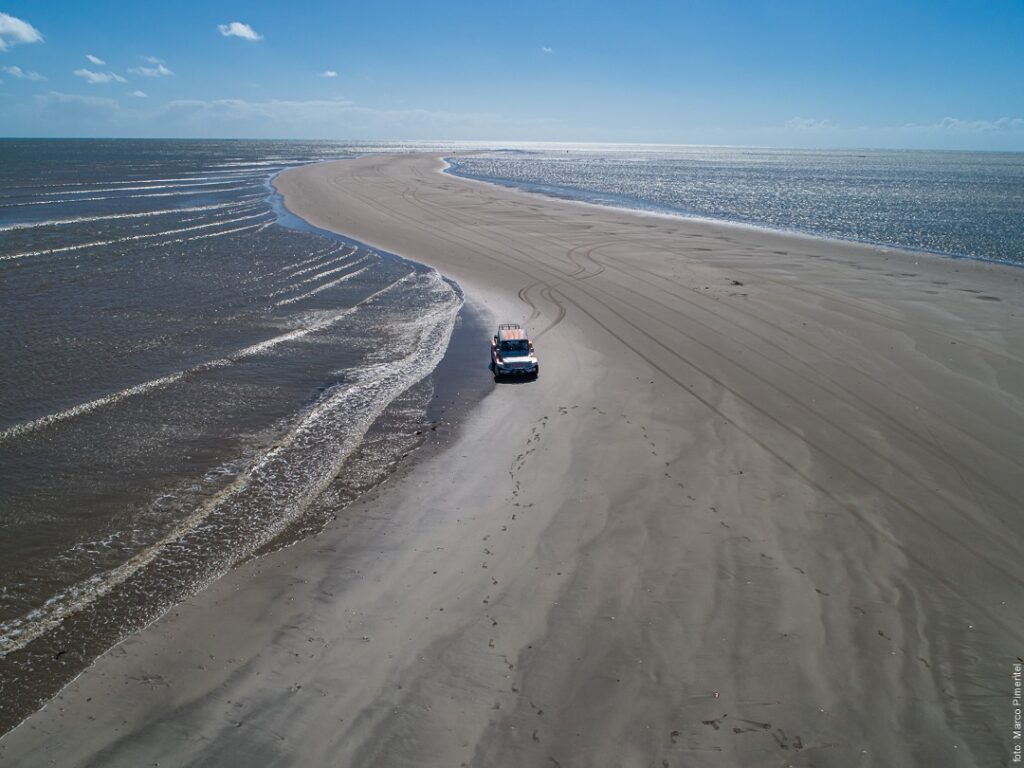
- Red Sand Island: A sandbank that emerges at low tide and forms natural pools. It can be reached by boat and is a great option for diving and snorkelling, as well as a popular picnic spot.
- Areia Vermelha Marine State Park: A nature reserve that protects the local marine fauna and flora, a must-see for nature lovers.
3. Infrastructures
- Port of Cabedelo: An important commercial port in the region, fundamental to the local economy and one of the main ports in Paraíba, with both commercial and tourist importance.
- Transportation: Cabedelo is easily accessible from João Pessoa, with various public transport options, such as regular buses that connect the two cities, as well as motorways.
2. Lucena
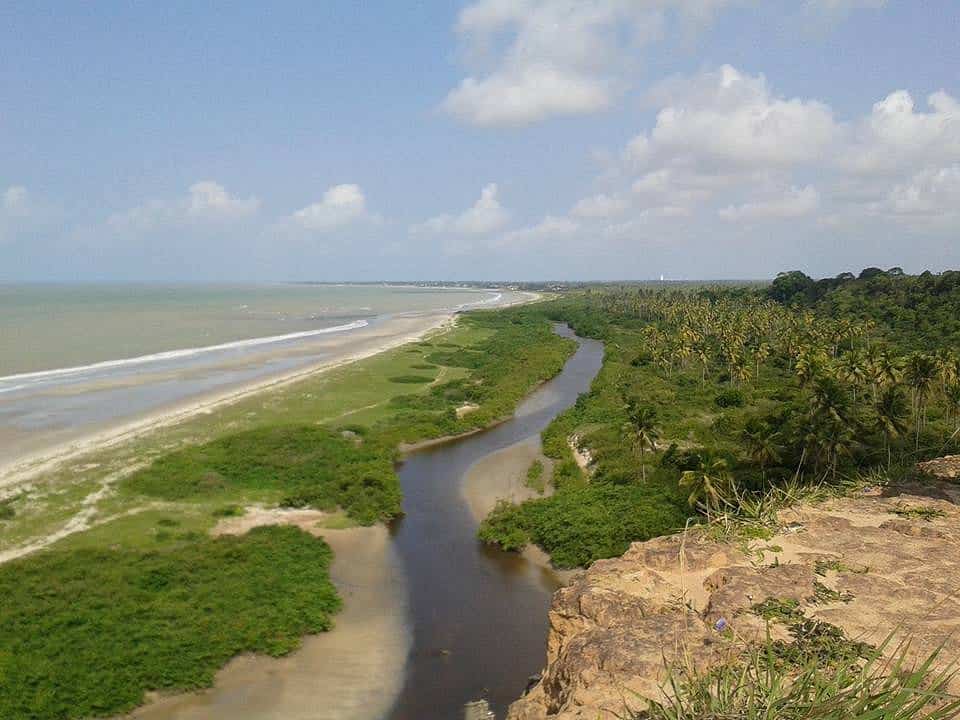
Lucena is a municipality in the state of Paraíba, Brazil, known for its beautiful beaches, tranquility and rich history. Here are some details about Lucena:
1. History and Culture
- Foundation: Lucena has historical roots that date back to the Brazilian colonial period. The region was originally inhabited by indigenous people before the Portuguese arrived, and Lucena was officially founded in 1961.
- Ruins of the Church of Nossa Senhora do Bonsucesso: A historic site that offers an insight into the region’s colonial past and is of great cultural importance.
- Church of Nossa Senhora da Guia: One of the most important historical sites, this 16th century church is an example of colonial architecture and a place of religious pilgrimage, recognised as a Historical Heritage Site.

2. Beaches and tourist attractions
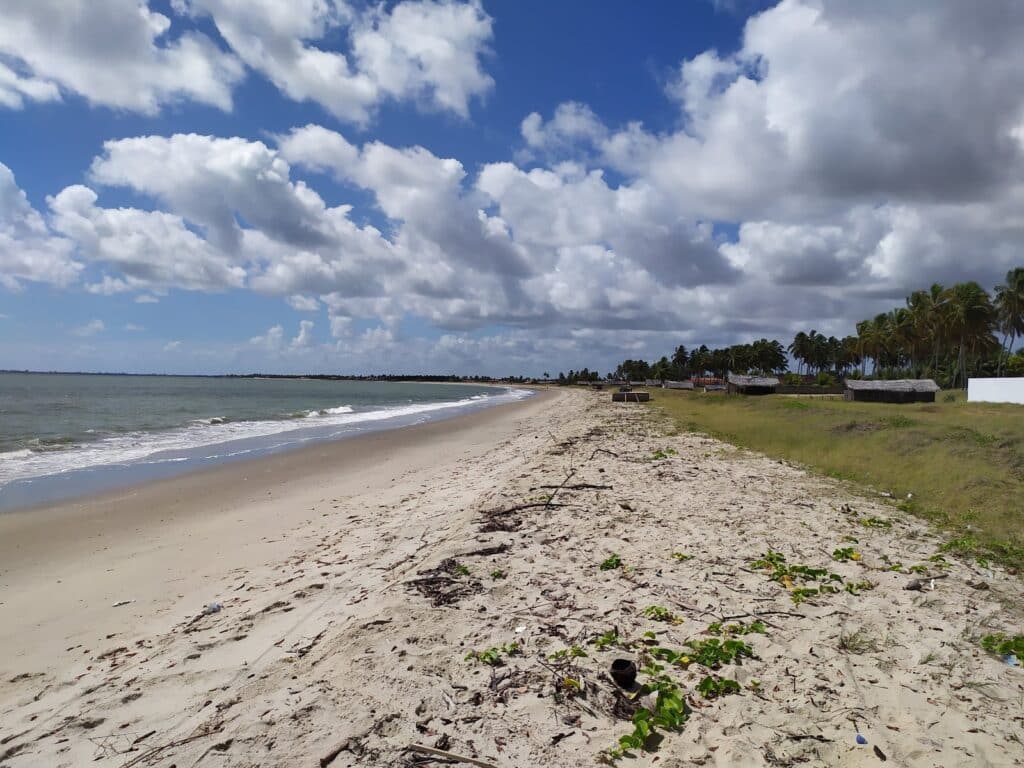
- Lucena Beach: The main beach in the municipality, known for its calm, warm waters, ideal for families and bathers, popular for its safe bathing conditions.
- Praia de Bonsucesso: Located next to the ruins of the church of Nossa Senhora do Bonsucesso, it offers a more rustic and peaceful atmosphere and is less frequented, ideal for those seeking peace and quiet.
- Praia da Gameleira: Less crowded, with a preserved natural environment and quite quiet, excellent for those who love nature.
- Praia do Holandês: Known for its stunning cliffs and clear waters, it is perfect for those looking for a more secluded spot and attracts photographers and nature lovers.
- Natural Pools: At low tide, natural pools form on several beaches, providing great opportunities for snorkelling and marine life watching, popular with families and tourists.
- Lucena Ecological Park: A protected area with trails and opportunities to observe the local flora and fauna.

4. Accessibility
- Location: Lucena is located about 40 kilometres north of João Pessoa, the capital of Paraíba, and can be reached by road. The journey by car takes about 40 minutes, making it a good day trip destination.
- Transport: The city can be reached by motorway and there are public transport options, such as regular buses that run between João Pessoa and Lucena.
3. Rio Tinto
Rio Tinto is a municipality in the state of Paraíba, Brazil, known for its historical and cultural importance and its beautiful beaches.
1. History and Culture
- Foundation: Rio Tinto was officially promoted to the category of municipality in 1959, but had existed as a village before that. The town has a rich history dating back to the colonial period, with a strong influence from the Potiguara indigenous communities still present in the region.
- Textile Industry: The city has a history linked to the textile industry, with the Rio Tinto factory being an important economic landmark in the region.
2. Indigenous communities
- Potiguara: Rio Tinto is one of the areas inhabited by the Potiguara Indians. The indigenous culture is very present and can be seen in various cultural manifestations, local traditions, festivals and handicrafts.
3. Beaches and Tourist Attractions
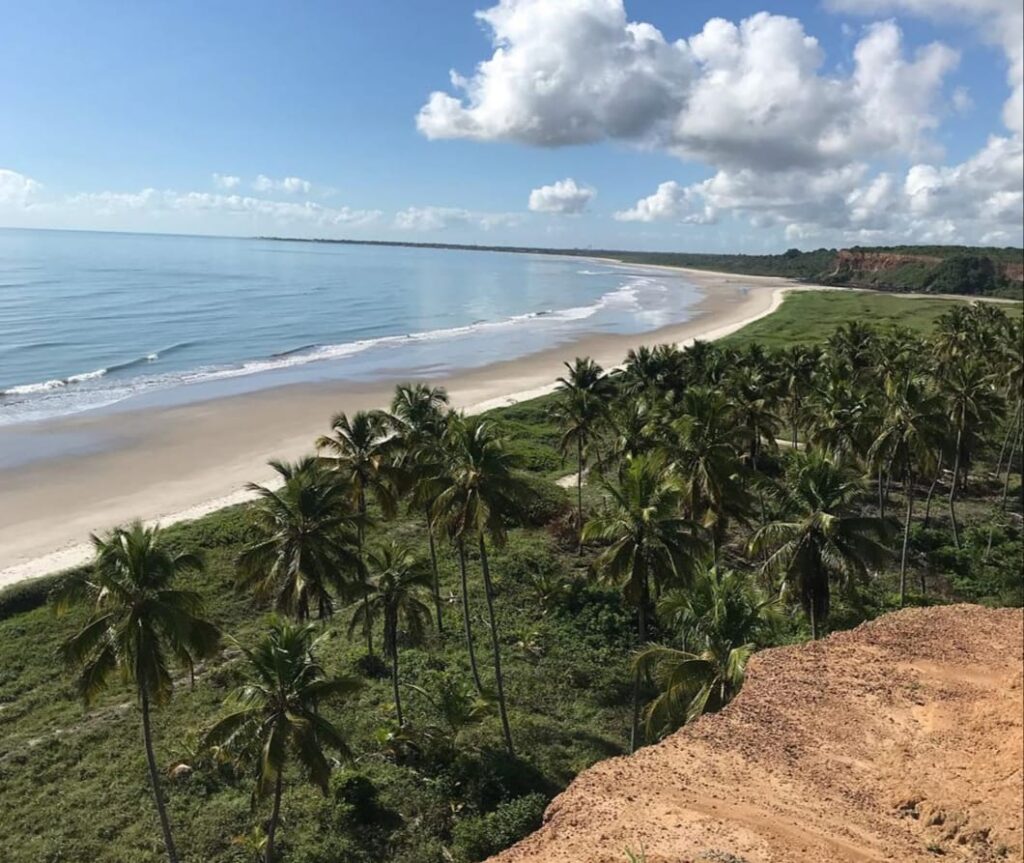
- Praia de Campina: Known for its clear, calm waters, it’s the perfect place to relax and swim, popular with tourists and locals alike, ideal for families.
- Praia de Oiteiro: Known for its beautiful cliffs and natural landscapes, it is ideal for hiking and nature watching, with trails that offer breathtaking views.
- Barra de Mamanguape: Located near the mouth of the Mamanguape River, it offers a peaceful and natural environment, ideal for those seeking closer contact with nature.
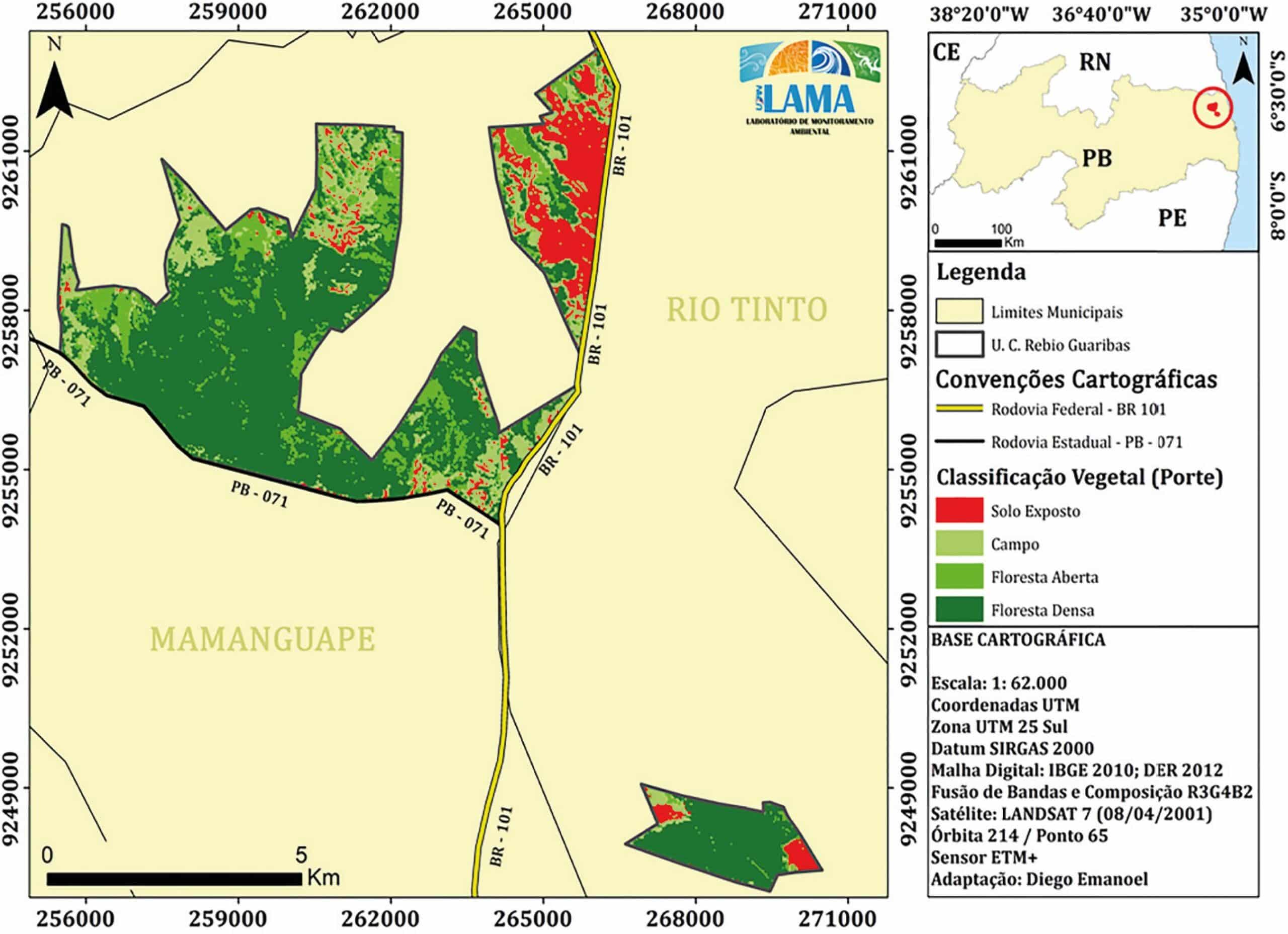
- Guaribas Biological Reserve: An ecological reserve that protects local flora and fauna, including several endangered species, and is a great place for ecotourism and wildlife watching.
- Engenho São João: An old sugar mill that offers a glimpse of the region’s economic and cultural history, with guided tours and tastings.
- Historic Churches: Rio Tinto has several historic churches that reflect the region’s cultural and religious heritage and are an important part of the region’s religious tourism.
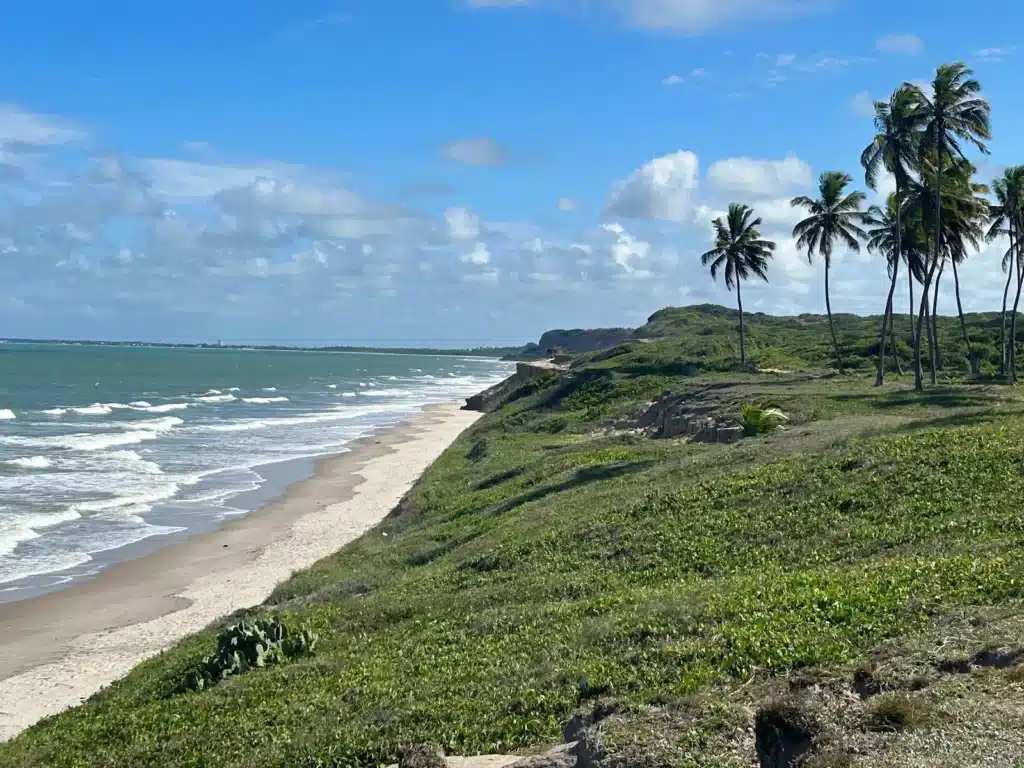

4. Baía da Traição

4. Accessibility
- Location: Rio Tinto is located approximately 60 kilometres north of João Pessoa and is accessible by road. The journey by car takes approximately 1 hour, making it a good day trip destination.
- Transport: There are public and private transport options to get to Rio Tinto from João Pessoa and other nearby towns, including regular bus services.
5. Mataraca
Mataraca is a municipality in the state of Paraíba, Brazil. Known for its beautiful natural landscapes, quiet beaches and protected areas, Mataraca offers a unique combination of nature and culture. Here are a few details about Mataraca:
1. History and culture
- Foundation: Mataraca was officially elevated to the category of municipality in 1961, but it existed as a village before that. Its history is linked to the colonisation and agricultural development of the region.
- Local Culture: The city preserves cultural traditions and festivals typical of the Brazilian Northeast, such as the June Festivals, and also celebrates other important festivals, such as Carnival and music festivals.
2. Beaches and Attractions
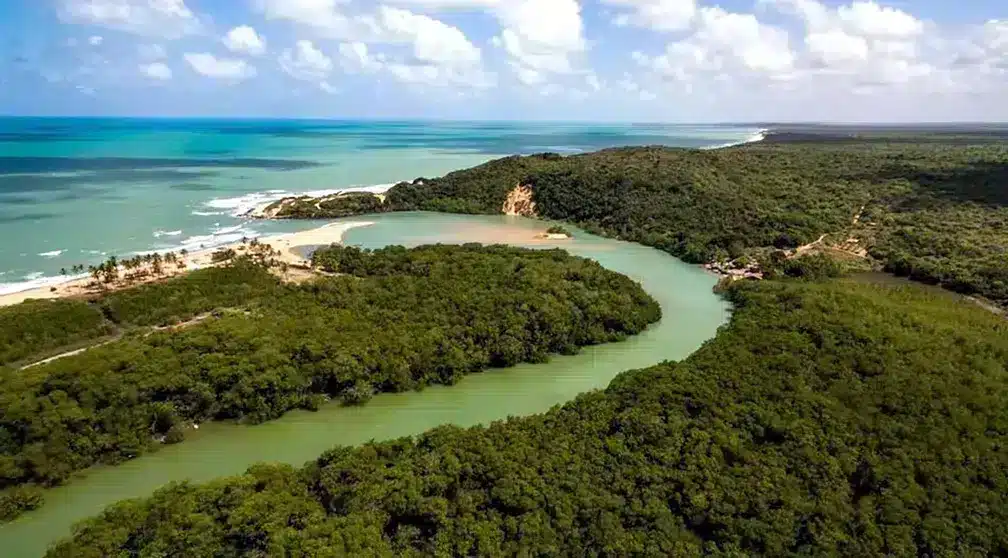
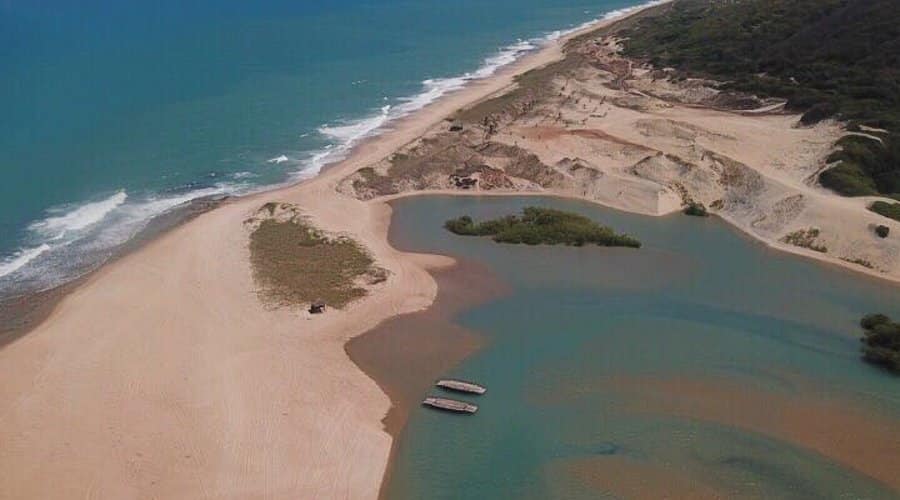
- Barra de Camaratuba Beach: One of the most popular beaches in Mataraca, famous for its natural pools, beautiful scenery and crystal clear waters. Ideal for diving and snorkelling, it is also popular with tourists who enjoy water sports such as windsurfing.
- Sagi Beach: Located near the border with Rio Grande do Norte, it is known for its natural beauty and tranquillity, perfect for those seeking a more secluded setting and ideal for birdwatching.
- Bela Vista Beach: Less well known and frequented, it offers a wilder and more secluded beach experience, ideal for those seeking a more intimate contact with nature.
- Guaribas Biological Reserve: An ecological reserve that protects the local flora and fauna, including several endangered species. It is a great place for ecotourism, hiking and wildlife watching.
- Camaratuba River: The river offers activities such as boating and kayaking and is a popular spot for fishing. The river banks are surrounded by lush vegetation, making for a scenic and peaceful experience.

3. Accessibility
- Location: Mataraca is located about 90 kilometres north of João Pessoa, the capital of Paraíba. The journey by car takes about 1.5 hours, making it a good day trip or weekend destination.
- Transport: Access is mainly by road. Public and private transport is available from João Pessoa and other nearby cities, including regular bus services.
6. Marcação
Marcação is a municipality in the state of Paraíba, Brazil. Known for its beautiful beaches, indigenous culture and natural landscapes, Marcação offers visitors an authentic and peaceful experience. Here are some details about Marcação:
1. History and Culture
- Foundation: Marcação was emancipated in 1961, but existed as a village before that. It has a rich history linked to indigenous communities and rural development.
- Potiguara Indians: Marcação is an area with a significant presence of Potiguara Indians, who have a strong influence on the local culture and traditions, preserved through various practices and festivities.
2. Indigenous communities
- Potiguara Villages: There are several Potiguara villages in the region where visitors can learn about indigenous culture, traditions and handicrafts, take part in workshops and watch dances and cultural celebrations.
3. Beaches and Tourist Attractions
- Marcação Beach: An unspoilt beach with clear, calm waters, ideal for those seeking peace and contact with nature, and perfect for families.
- Tramataia Beach: Less well known, it offers a wilder and more secluded beach experience, perfect for those seeking a peaceful retreat. Access can be more difficult due to its isolated location.
- Potiguara Indigenous Reserve: An area of environmental and cultural conservation where visitors can learn about Potiguara life and traditions through guided activities.
- Archeological sites: The region has several archaeological sites that show the history and culture of the indigenous peoples, some of which are open to visitors.
- Ecological trails: Several trails allow you to explore the rich biodiversity of the region, with opportunities to observe local flora and fauna, such as birds and native plants.
4. Accessibility
- Location: Marcação is located about 80 kilometres north of João Pessoa, the capital of Paraíba. The journey by car takes about 1.5 hours, making it a good destination for a day trip or a weekend.
- Transport: Access is mainly by road, and there are public and private transport options from João Pessoa and other nearby towns, including regular bus services.
Beaches and Tourist Attractions in the Paraíba South Coast Municipalities
The South Coast of Paraíba is made up of several municipalities that offer a unique combination of beautiful beaches, unspoiled nature and tourist infrastructure.
- Conde
- Pitimbu
1. Conde
Conde is a municipality in the state of Paraíba, Brazil, and is part of the South Coast region of Paraíba. It is known for its beautiful beaches and unspoiled nature.
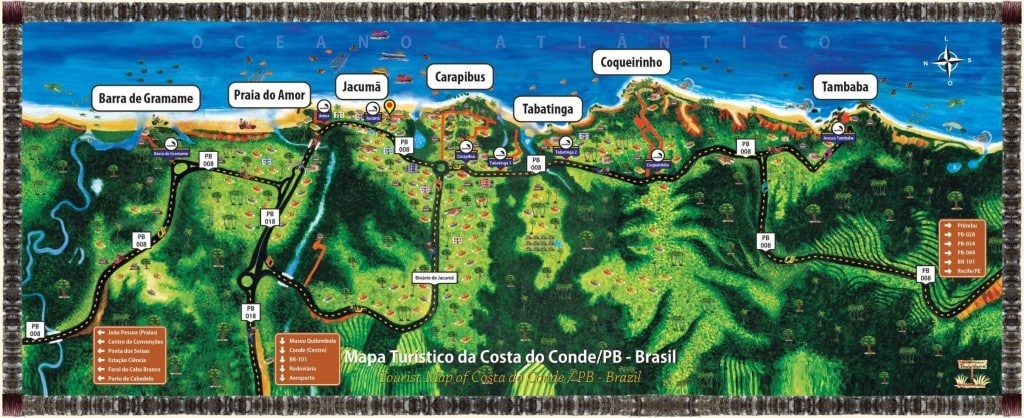
1. Beaches and Tourist Attractions
Conde is famous for its paradisiacal beaches along the south coast of Paraíba:
- Tambaba Beach: Internationally known as one of the first naturist beaches in Brazil. Divided into naturist and non-naturist areas, it has beautiful cliffs and natural pools.
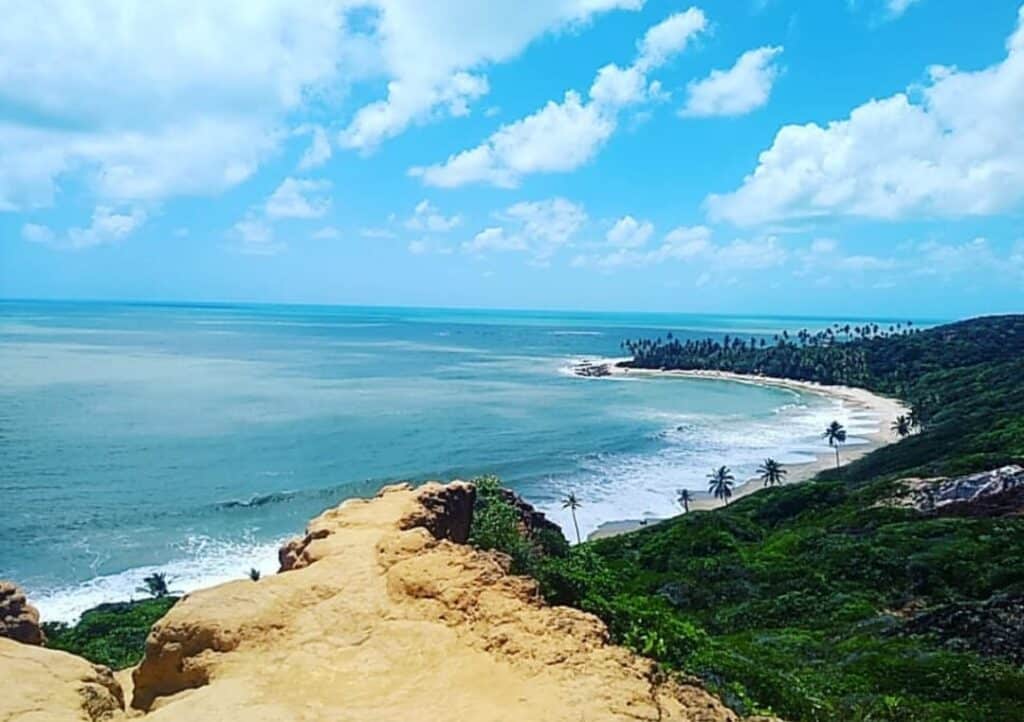
- Coqueirinho Beach: Considered one of the most beautiful beaches in Brazil, with colourful cliffs, coconut trees and crystal clear waters. Ideal for those seeking stunning natural scenery and tranquillity, it is often praised on social media.
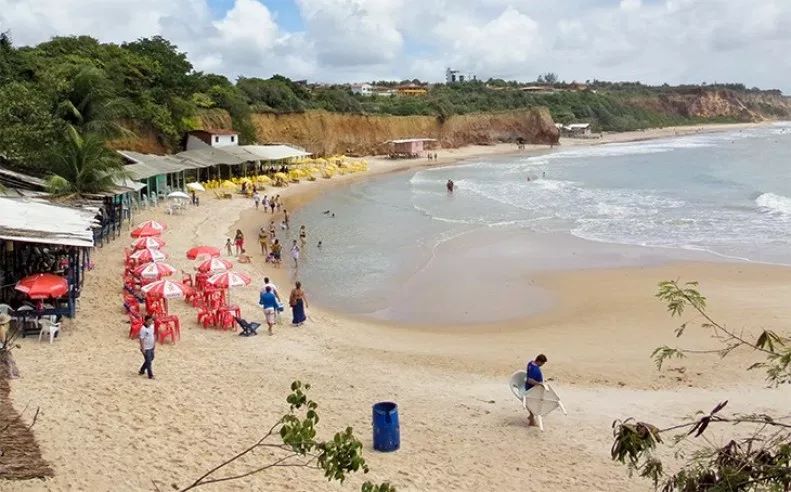
- Praia de Tabatinga: With calm waters and natural pools formed by reefs, this is an excellent option for families and those who want to relax in a preserved natural environment.
- Praia do Amor: Known for its scenic beauty and tranquillity, this is a romantic spot popular with couples and named after its heart-shaped beach.
- Jacumã Beach: Famous for its calm, clear waters, ideal for swimming and for families with children. The beach is surrounded by coconut trees and vegetation typical of the northeastern region. One of Jacumã’s main attractions are the natural pools formed by the reefs at low tide, ideal for snorkelling and seeing colourful fish, as well as kiosks and stalls.
- Mirante de Coqueirinho: Offers a spectacular panoramic view of Coqueirinho Beach and the surrounding cliffs and is a popular photo spot.

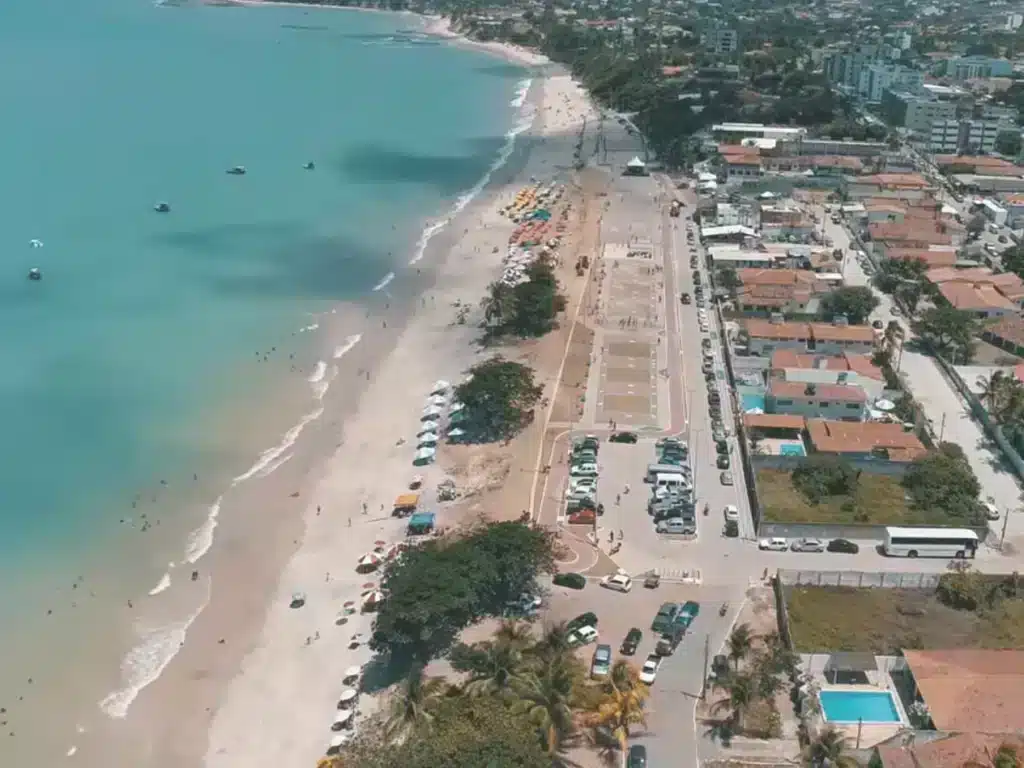
2. Infrastructure and access
- Accommodation: There are several options of pousadas, hotels and resorts along the coast, catering for tourists seeking luxury as well as those who prefer more economical options. Many inns offer packages for couples and families, depending on the time of year.
- Access: Conde is located about 25 kilometres south of João Pessoa, the capital of Paraíba. The drive takes about 30 minutes and access is easy via well-maintained roads, with public and private transport options available.
Conde is an ideal destination for those looking for paradisiacal beaches, unspoilt nature, local culture and regional gastronomy. It’s a place where you can relax, walk along paths and enjoy unique moments by the sea, as well as a variety of activities such as water sports and a rich gastronomic offer.
2. Pitimbu
Pitimbu is a municipality located at the southern end of the coast of Paraíba, Brazil. Known for its quiet beaches, unspoiled nature and welcoming atmosphere, Pitimbu offers a unique experience for visitors seeking relaxation, contact with nature and local culture.

1. Main Beaches and Attractions
- Praia de Pitimbu: The town centre itself has a quiet beach, mainly used by locals. Ideal for those seeking a quieter, less crowded environment, it is a good option for families, with kiosks serving typical snacks.
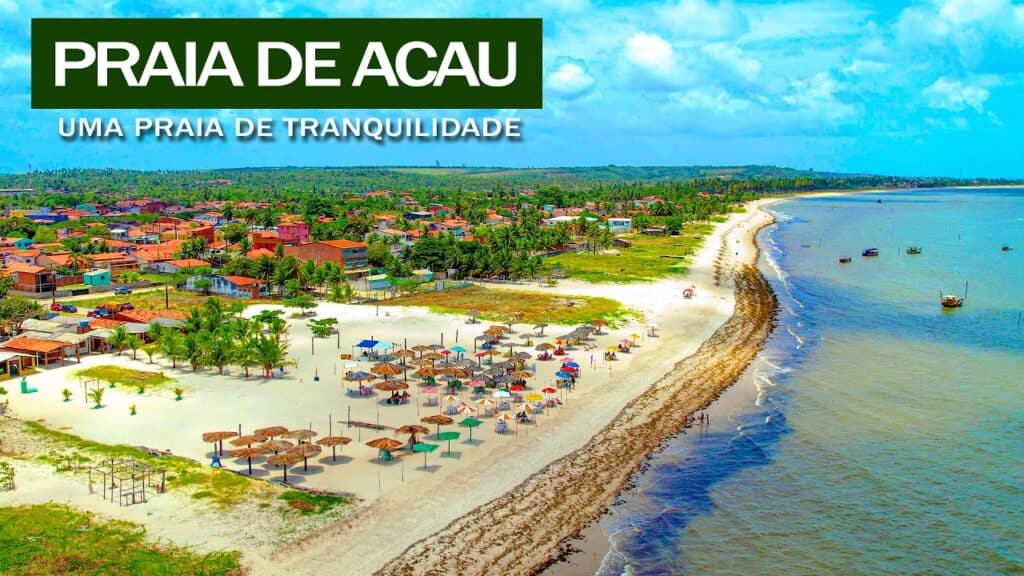
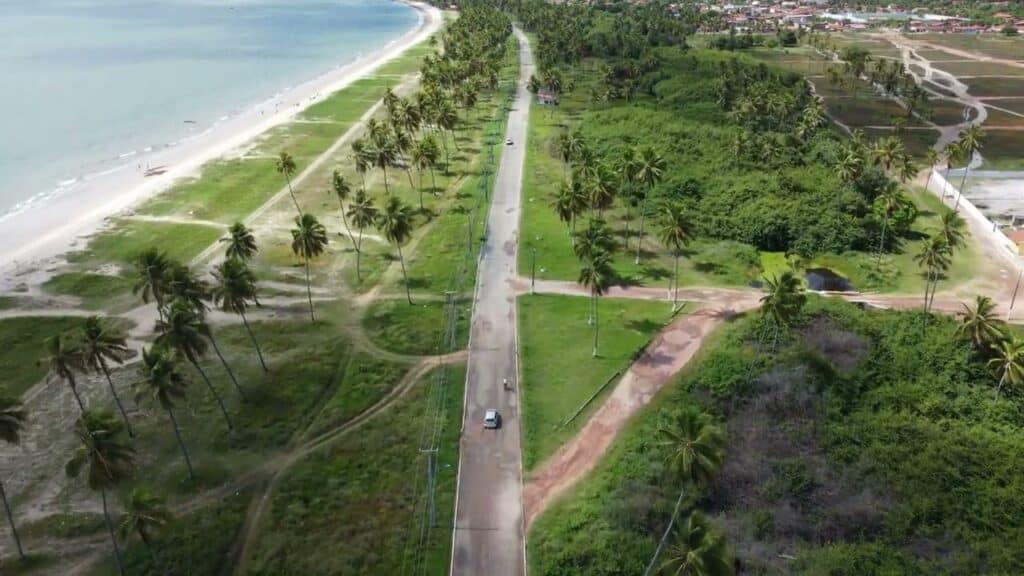
- Praia de Acaú: Located in Pitimbu, this is a long beach with clear sand and calm waters. It’s a great place for swimming and sunbathing, and popular for water sports such as kitesurfing and windsurfing.
- Ponta de Coqueiros Beach: Known for its cliffs and coconut trees, it offers an enchanting panoramic view of the Paraiba coastline, as well as the opportunity to walk along the cliffs and get in touch with nature.
- Praia Bela: Although not exactly in Pitimbu, but close to the town, Praia Bela is famous for its warm, calm waters and good tourist infrastructure. It is frequently visited by tourists and locals alike.
- Mirante de Tabatinga: Offers breathtaking views of the region’s beaches and coastal scenery and is a popular photo spot.
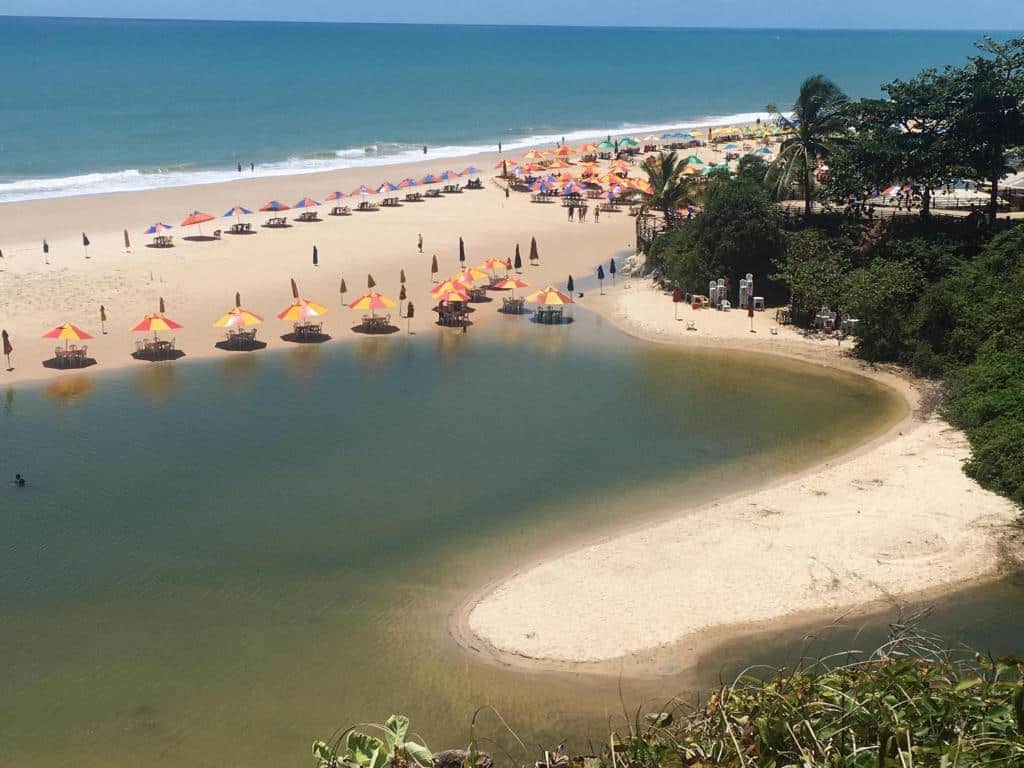
- Lagoa do Mato: A freshwater lagoon surrounded by the Atlantic Forest, ideal for a refreshing dip and for those who like to contemplate nature. It is also a good place to observe birds and other local fauna.
- Mangroves and estuaries: The region is home to several mangroves and estuaries, which are important ecosystems for marine life and for those interested in ecology, coastal protection and biodiversity.

2. Infrastructure and access
- Accommodation: Accommodation ranges from simple inns to cottages and small resorts, providing comfort for visitors. Some guesthouses offer packages for families and couples, depending on the time of year.
- Access: Pitimbu is located about 60 kilometres south of João Pessoa, the capital of Paraíba. Access is mainly via the PB-008 motorway, which connects the town to the capital and other nearby towns. The drive takes about 1 hour, making it a good day trip destination.
See also Best Beaches of João Pessoa, South and North Coast of Paraíba.
Paraíba Coast Tourist Guide

Publicações Relacionadas
Macuxí Territory in Paraíba: Discover Indigenous Culture
Lucena: Explore Beaches and Natural Beauty
Araruna: A Hidden Gem in Paraíba, Brazil
São Francisco Cultural Centre: A Baroque Marvel
Beaches in Paraíba: A Guide to Coastal Delights
Carapibus Beach: Nature and Tranquillity in Conde PB
Serra do Vital in Paraíba: Must-See Attractions
The Interior of Paraíba: Culture, History and Must-See Attractions
João Pessoa (PB): beaches, history and the historic center
Pitimbu: The paradise of Paraíba's beaches and natural pools
Interior of Paraíba: Discover Unique Attractions
Baía da Traição: Beaches and History Await You
Naturism at Tambaba Beach: A Paradise for Naturists
Best Beaches in Paraíba: A Guide for Tourists
Boat and diving trips off the coast of João Pessoa
Mataraca: What to Do and Visit in the City
History of the foundation of Paraíba and João Pessoa PB
Lajedo de Pai Mateus and Its Unique Geological Features
Paraíba's Rich History and Attractions
Accommodation Options in João Pessoa: A Complete Guide
Conde Coast: A paradise on the coast of Paraíba
7-Day Itinerary in Paraíba: Beaches and Culture
Coqueirinho Beach (PB): how to get there and what to do
Barra de Camaratuba: Explore Untouched Beaches
Areia: The Historical Town of Paraíba
This post is also on:
 Português
  English
  Deutsch
  Español
  Français