Paraíba: Between paradise beaches and cultural wealth
Paraíba is a state in the northeastern region of Brazil, known for its beautiful beaches, rich culture and history.
The name “Paraíba” comes from the Tupi language spoken by the indigenous people who inhabited the region before the arrival of European colonists.
The word “Paraíba” is derived from “para’yba”, which means “river that turns into the sea” or “river that meets the sea”. This etymology is related to the geography of the region, where the Paraíba do Norte River flows into the Atlantic Ocean.

Coast and interior
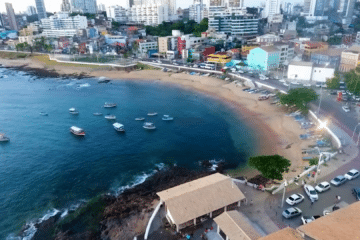
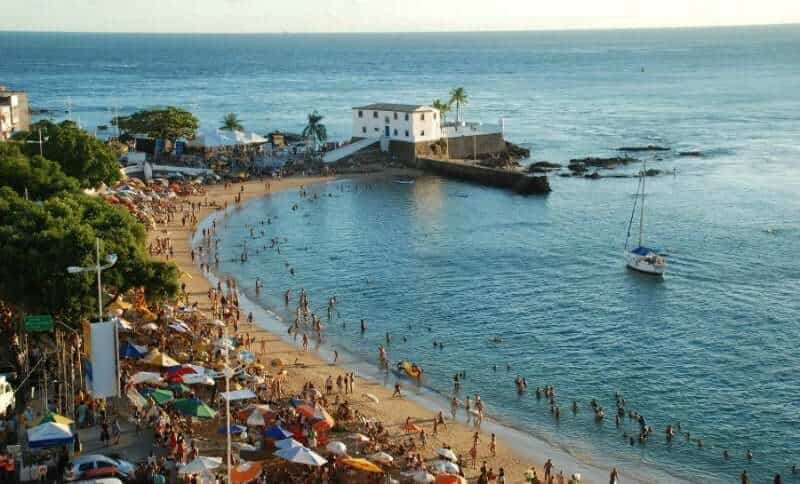
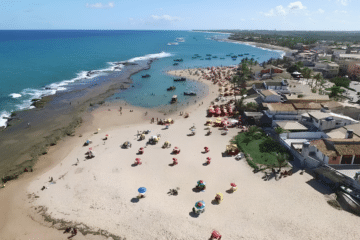
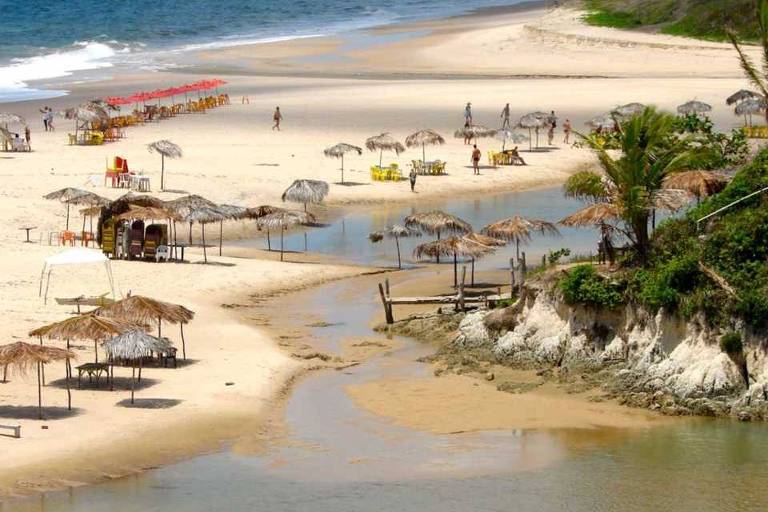
The coast of Paraíba is one of the most beautiful in Brazil, with many quiet beaches, fine sand and coconut groves. Some features of the Paraíba coast include
- Beautiful beaches: The beaches are known for their fine white sand and warm, crystal clear waters.
- Coconut palms : The presence of coconut palms along the coast creates a lush tropical environment.
- Tourist Attractions: The coast is home to tourist attractions such as Ponta do Seixas, the most easterly point in the Americas.
- Diversity of beaches: With a variety of options, some beaches are quiet and ideal for families, while others, such as Praia do Jacaré and Praia de Tambaba, attract young people and surfers.
- Water Activities: You can go snorkelling, windsurfing, kite surfing and take boat trips.
- Local Culture: On the beaches there are music, dance and gastronomic events, such as the famous “forró” and seafood dishes.
- Environmental Conservation: Some areas are protected, such as the Cabo Branco Marine State Park, which aims to conserve marine biodiversity.
- Tropical Climate: The predominant climate is tropical, with pleasant temperatures throughout the year.
The interior of Paraíba is part of the polygon of aridity, the northeastern hinterland, where the caatinga predominates.
History and culture
Paraíba’s charm also comes from its history and geography. In the early days of colonisation, the territory was contested by the French and then the Dutch.
Later, it played an important role in political movements such as the Pernambuco Revolution (1817) and the Equatorial Confederation (1824), in which the figure of the Carmelite Joaquim do Amor Divino, or Brother Caneca, stood out.
In the 20th century, the assassination of the former governor of Paraíba, João Pessoa, in Recife was the trigger for the 1930 Revolution.
The capital and its monuments
The traces of this history are everywhere – starting with the name of Paraíba’s Capital, one of the main destinations for tourists visiting the state.
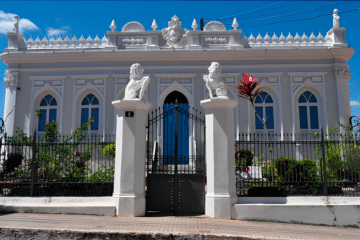
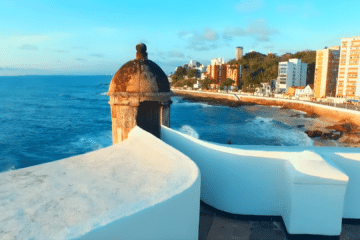
It’s no coincidence that some of Paraíba’s most important architectural monuments are located there, such as the Palácio da Redenção (1586) and the São Francisco Church (1589).


Natural beauty
Nature could not have been more generous to this geographically curious region: Ponta do Seixas, in the capital of Paraíba, is the easternmost point of the South American continent, which means that the sun rises there first every day.

If João Pessoa has beautiful beaches, the other towns along the coast offer unforgettable landscapes of white sand, green sea and coconut palms. In the developed interior of Paraíba, Campina Grande stands out, where one of the country’s most popular São João festivals is held.
Archaeological heritage
In the same region, in another extraordinary encounter between geography and history, are the Ingá Archaeological Site, with cave inscriptions that may date back 25,000 years, and the Valley of the Dinosaurs, in Sousa, where researchers have discovered footprints 50 metres long – the largest ever found in the world.


Videos – Paraíba Tourist Attractions
João Pessoa e praias da Paraíba02:23

Paraíba - Reportagem09:03
Destino Paraíba - Muito Mais Que Sol e Mar08:49
Guia de Turismo da Paraíba33:46
Paraíba’s main sights and attractions
With its combination of natural beauty, rich history and vibrant culture, Paraíba is a fascinating destination for any traveller.
1. The Beaches
- Praia de Tambaú: Located in João Pessoa, this is one of the most popular and crowded beaches, with a large stretch of sand and tourist infrastructure.
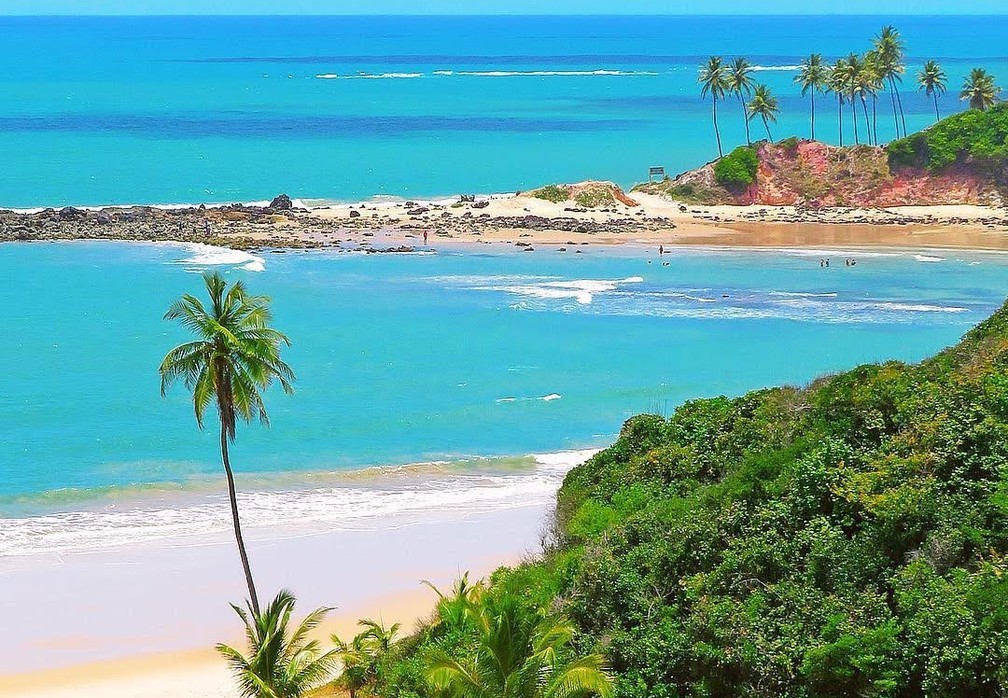
- Coqueirinho Beach: Considered one of the most beautiful beaches in the state, located in Conde, it is famous for its colourful cliffs and clear waters, as well as being a great place for snorkelling.
- Tambaba Beach: Also in Conde, it is famous for being one of the few nudist beaches in Brazil, surrounded by lush nature.


2. João Pessoa
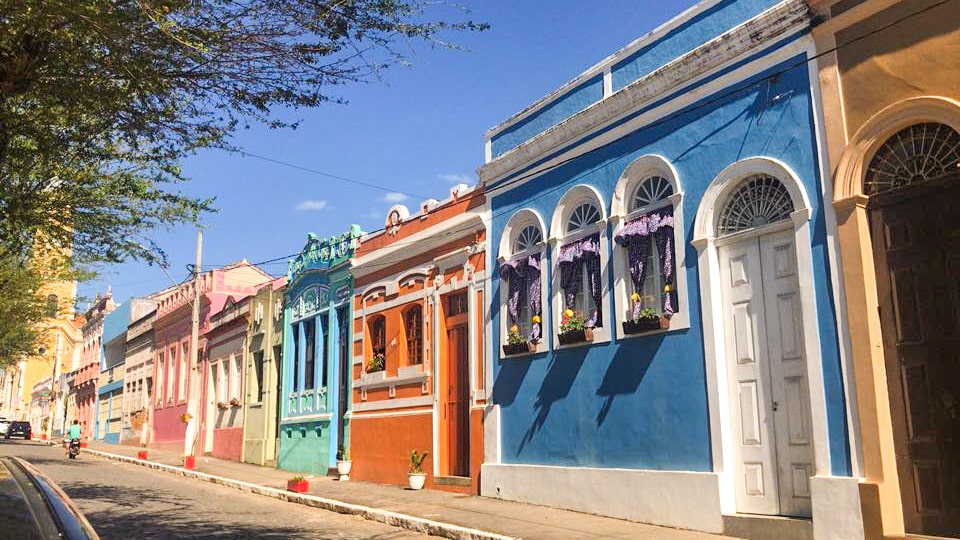
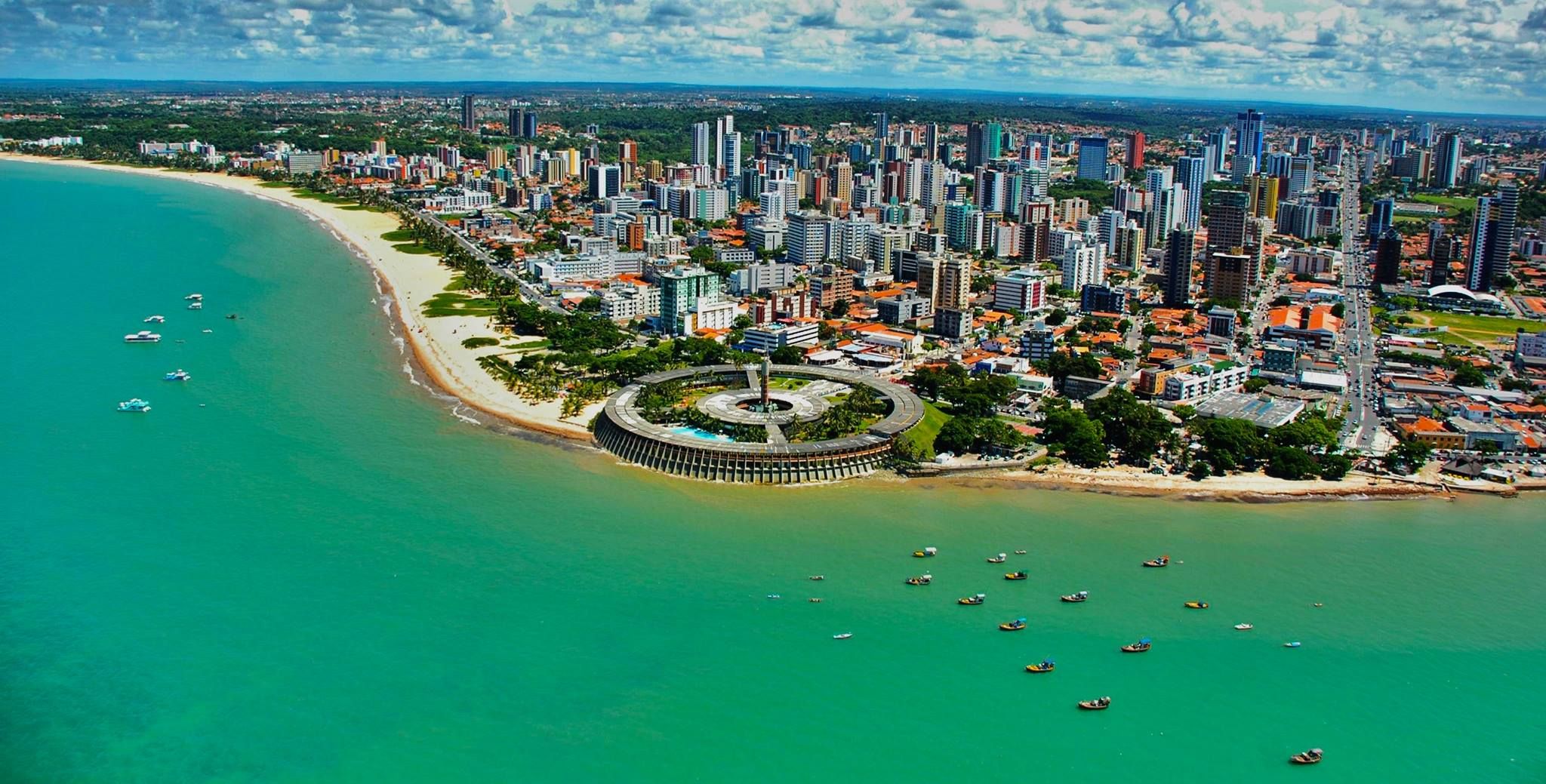
- Historic Centre: The state capital has a well-preserved historic centre with churches, colonial houses and museums such as the Sacred Art Museum and the São Francisco Monastery.
- Cabo Branco Station: This cultural and scientific complex, designed by Oscar Niemeyer, offers exhibitions, cultural events and a panoramic view of the city.
- Cabo Branco Lighthouse: Located on the easternmost point of the Americas, it offers a breathtaking view of the Paraiba coastline.

3. Interior of the State
- Pedra da Boca State Park: Located in Araruna, it is ideal for lovers of ecotourism and adventure sports, with trails, climbs and impressive rock formations.
- Lajedo de Pai Mateus: Located in Cabaceiras, this rock formation is full of legends and history, as well as being a beautiful natural setting of great cultural importance.
- Aria: A historic town with a mild climate, famous for its colonial architecture and cachaça mills.


3. Cultural Events
- São João de Campina Grande: Known as the “Biggest São João in the World”, the event attracts thousands of tourists with shows, quadrilhas, typical food and lots of festivities in June.
- Fest Aruanda: A film festival held in João Pessoa, showing national and international productions.
4. Gastronomy
- Regional cuisine: Take the opportunity to try typical dishes such as carne de sol (sun-dried meat), buchada de bode (goat stew), rubacão (a mixture of rice, beans and meat) and delicious desserts made with local fruit.
5. Handicrafts
- Mercado de Artesanato Paraibano: Located in João Pessoa, this is the ideal place to buy souvenirs such as lace, ceramics and leather goods made by local artisans.
With its combination of natural beauty, rich history and vibrant culture, Paraíba is a fascinating destination for any traveller.
Publications about tourism in Paraíba
- The historical buildings and urban beaches of João Pessoa.
- The Cabo Branco lighthouse at Ponta do Seixas, the easternmost point of South America.
- The beaches and manatees of Barra de Mamanguape, declared a Biosphere Reserve by Unesco.
- The Lajedo of Pai Mateus, in Cabaceiras, the setting of the film “O auto da compadecida”.
- Prehistoric remains at Ingá and Sousa.
- History of the foundation of Paraíba and João Pessoa.
- Best beaches in João Pessoa, south and north coast of Paraíba
- Pedra da Boca State Park, Araruna, Paraíba
- Carapibus Beach in Paraíba has native forest and tranquility
- Coqueirinho Beach in Conde has cliffs and crystal clear waters
- Boat trips and diving in Greater João Pessoa
- 8 best beaches in Paraíba
- The story of the Indian who keeps the Macuxí tradition alive in Paraíba
- Coast of Conde on the south coast of Paraíba
- The Serra do Vital has beautiful scenery of the sertanejo nature.
- The coast of the municipality of Conde in Paraíba offers paradisiacal scenery.
- Lucena is a tropical paradise with deserted beaches, colonial architecture and natural pools.
- Barra de Camaratuba is one of the last wild beaches in the northeast.
- The interior of Paraíba is rich, alternating between the interior and the mountains.
- Paraíba’s coastline offers unforgettable landscapes
- João Pessoa in Paraíba – tourist sites and historic centre
- Pitimbu, in Paraíba, has a landscape rich in natural pools, estuaries and cliffs.
- Baía da Traição has beautiful beaches, a route rich in historical curiosities
- Tourist Attractions in the Parish of Mataraca PB
- Areia is the home of the first mills in Paraíba and has a lot of history.
- Pedro II is a city full of history, precious stones and archaeological sites.
Tips for visitors
- Climate: Paraíba has a tropical climate, hot and humid most of the year. Bring light clothing, sunscreen and stay well hydrated.
- Transport: Hiring a car can be a good option to explore the beaches and attractions in the interior of the state.
- Accommodation: João Pessoa offers a wide range of hotels, pousadas and hostels to suit all budgets.
When to go to Paraíba
- To João Pessoa, in the summer (December to February) or in the low season for those who want to relax in an emptier city.
- For the coast and some inland towns, such as Areia, any time of year except between May and July, when it rains a lot. In inland Cabaceiras, the sun shines all year round.
- For Carnival, head for the excitement of a place like Jacumã on the south coast.
- In June, if you want to experience one of the busiest São João festivals in Brazil – Campina Grande.
- Between July and December, during the dry season, to better see the dinosaur footprints in the soil of Sousa.

Publicações Relacionadas
Conde Coast: A paradise on the coast of Paraíba
Mataraca: What to Do and Visit in the City
Lajedo de Pai Mateus and Its Unique Geological Features
The Interior of Paraíba: Culture, History and Must-See Attractions
Baía da Traição: Beaches and History Await You
History of the foundation of Paraíba and João Pessoa PB
Boat and diving trips off the coast of João Pessoa
João Pessoa (PB): beaches, history and the historic center
Best Beaches in Paraíba: A Guide for Tourists
Lucena: Explore Beaches and Natural Beauty
Accommodation Options in João Pessoa: A Complete Guide
7-Day Itinerary in Paraíba: Beaches and Culture
Naturism at Tambaba Beach: A Paradise for Naturists
Barra de Camaratuba: Explore Untouched Beaches
Carapibus Beach: Nature and Tranquillity in Conde PB
Serra do Vital in Paraíba: Must-See Attractions
Beaches and Tourist Attractions on the Paraíba Coast
Interior of Paraíba: Discover Unique Attractions
Areia: The Historical Town of Paraíba
Beaches in Paraíba: A Guide to Coastal Delights
Macuxí Territory in Paraíba: Discover Indigenous Culture
Pitimbu: The paradise of Paraíba's beaches and natural pools
Araruna: A Hidden Gem in Paraíba, Brazil
Coqueirinho Beach (PB): how to get there and what to do
São Francisco Cultural Centre: A Baroque Marvel
This post is also on:
 Português
  English
  Deutsch
  Español
  Français