Discover the Charm of the Paraíba Hinterland: Culture, History and Nature
The interior of Paraíba is a region rich in history and culture, with towns that bear traces of a time when cotton production flourished.

Videos about Campina Grande, Cabaceiras, Areia, the Ingá Archaeological Site and the Assis Chateaubriand Art Museum

Campina Grande na Paraíba05:35

Cabeceiras na Paraíba10:16
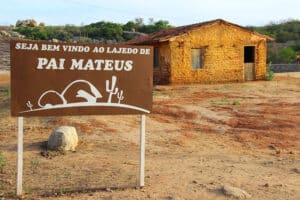
Lajedo de Pai Mateus em Cabeceiras PB13:21

Areia na Paraíba12:38

Arte Rupestre na Paraíba10:38

Areia na Paraíba - Guia

Museu de Artes Assis Chateaubriand25:08
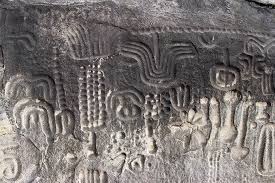
Sítio Arqueológico da Pedra do Ingá PB10:19

A Pedra do Ingá e o enigma das gravuras na Paraíba11:00
Major towns and their attractions in the interior of Paraíba
In the inland region of Paraíba, highlights include Campina Grande, famous for its vibrant forró; the Ingá Archaeological Site, home to fascinating rock carvings; the Dinosaur Park in Sousa, an important palaeontological site; and the charming historic town of Areia, brimming with cultural heritage.
Each of these places offers a unique experience, reflecting the region’s rich diversity.
1. Campina Grande
- History: During the height of cotton production in the 19th century, Campina Grande became the world’s second-largest cotton exporter, particularly during the American Civil War. Today, the city is renowned for its trade in coloured cotton, an eco-friendly product that is highly valued worldwide.
- Festivals: the St John’s Festival , considered “The World’s Biggest St John’s Festival”, and the Winter Festival.
- Museums: Visitors can explore the Cotton Museum, which preserves the memory of the era when cotton was known as ‘white gold’, and the Campina Grande Historical Museum, which showcases local history from its earliest days, offering a rich and detailed insight into the region’s cultural heritage. In addition, the Assis Chateaubriand Art Museum boasts a diverse collection that includes works from various Brazilian artistic movements.


2. Cabaceiras
- Film Culture: Known as the “Roliúde Nordestina”, the city is the setting for a number of film productions, including “O Auto da Compadecida”.
- Goat Festival: Celebrates goat farming and takes place at the end of May, attracting tourists.
- Natural Attractions: The Lajedo de Pai Mateus, with its rock formations and cave paintings, is a must-see destination.


3. Ingá
- Archaeological Site: The Pedra do Ingá is famous for its rock carvings, which date back thousands of years and continue to intrigue researchers.
- History: The site is protected as a National Monument and there are various theories regarding the origin of the inscriptions.


4. Sand
- Tourism Development: Areia has been improving its hotel facilities, with the Hotel Bruxaxá undergoing refurbishment and expansion.
- Cultural Heritage: Teatro Minerva was the first theatre in Paraíba, built in 1859, and the Pedro Américo Museum is the house where the famous Brazilian painter was born.


See Areia, home to Paraíba’s first sugar mills and steeped in history
5. Sousa
- Dinosaur Valley: One of the world’s most important palaeontological sites, featuring 51 dinosaur footprints.
- Visitor information: The site is open to the public from Tuesday to Sunday, with guided tours available. Visitors can explore footbridges and viewing points leading to the footprint trails.


Concluding Remarks

The interior of Paraíba is a place where sertões and serras alternate, offering visitors a rich cultural and historical experience. If you’re interested in exploring this region, each town offers a unique glimpse into the rich tapestry of Paraíba’s history and culture.

Publicações Relacionadas
Boat and diving trips off the coast of João Pessoa
Carapibus Beach: Nature and Tranquillity in Conde PB
Naturism at Tambaba Beach: A Paradise for Naturists
History of the foundation of Paraíba and João Pessoa PB
Lucena: Explore Beaches and Natural Beauty
Araruna: A Hidden Gem in Paraíba, Brazil
Beaches in Paraíba: A Guide to Coastal Delights
Paraíba's Rich History and Attractions
João Pessoa (PB): beaches, history and the historic center
Areia: The Historical Town of Paraíba
Interior of Paraíba: Discover Unique Attractions
Macuxí Territory in Paraíba: Discover Indigenous Culture
Best Beaches in Paraíba: A Guide for Tourists
7-Day Itinerary in Paraíba: Beaches and Culture
Accommodation Options in João Pessoa: A Complete Guide
Beaches and Tourist Attractions on the Paraíba Coast
Barra de Camaratuba: Explore Untouched Beaches
São Francisco Cultural Centre: A Baroque Marvel
Mataraca: What to Do and Visit in the City
Conde Coast: A paradise on the coast of Paraíba
Pitimbu: The paradise of Paraíba's beaches and natural pools
Serra do Vital in Paraíba: Must-See Attractions
Lajedo de Pai Mateus and Its Unique Geological Features
Coqueirinho Beach (PB): how to get there and what to do
Baía da Traição: Beaches and History Await You
This post is also on:
 Português
  English
  Deutsch
  Español
  Français