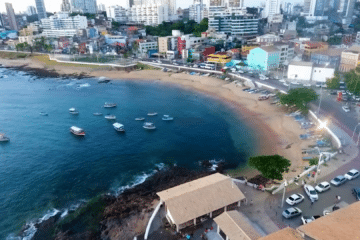
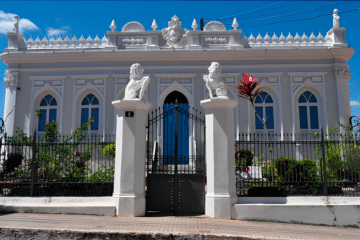
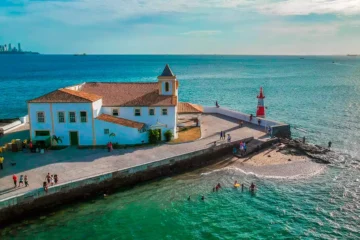
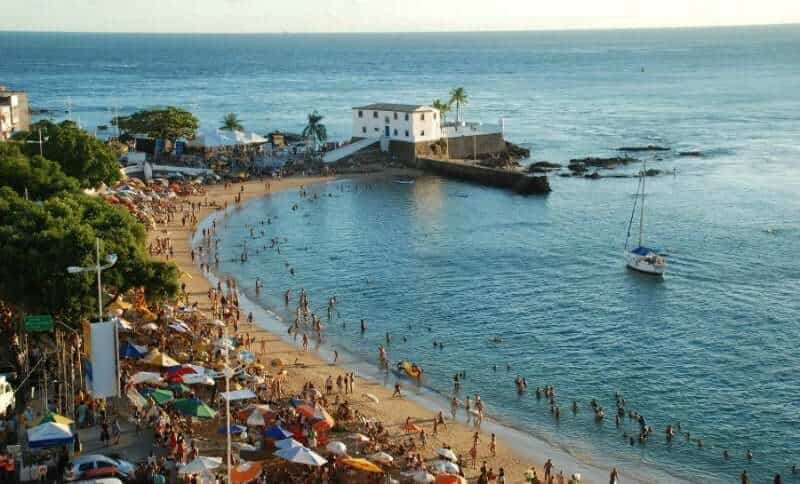
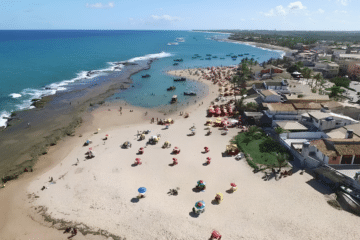
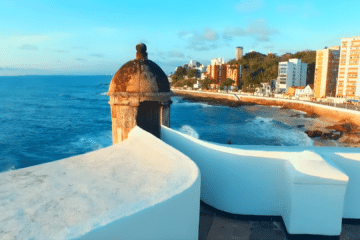
Ilhabela is considered one of the most popular destinations on the north coast of São Paulo.
Known for its natural beauty, the island attracts tourists looking for parties and nightlife, as well as those who want to relax on paradisiacal beaches and explore trails and waterfalls.

Some of the main reasons that make Ilhabela such a popular place are
- Stunning Beaches: Ilhabela has more than 40 beaches, each with its own unique characteristics. Some of the most famous are Praia do Curral, Praia do Julião and Praia de Castelhanos.
- Nightlife and Gastronomy: The city of Ilhabela, the center of the island, offers a lively nightlife with bars, restaurants and clubs. The local cuisine is varied, ranging from typical seafood dishes to more sophisticated options.
- Events and festivities: The island hosts various events throughout the year, such as the famous Ilhabela Boutique Fashion, Sailing Week and New Year’s Eve parties, which attract visitors from all over Brazil.
- Nature and Adventure: In addition to beaches, Ilhabela is rich in trails, waterfalls and areas of preserved Atlantic Forest. It is a popular destination for those who enjoy ecotourism and adventure sports such as diving, sailing and trekking.
Municipality of Ilhabela
Ilhabela is often chosen as a destination for vacations and long weekends, especially by people from São Paulo and nearby regions.
The municipality of Ilhabela includes: São Sebastião Island, Búzios Islands, Vitória Island (inhabited), and the islets of Cabras, Serraria (in front of the beach with the same name), Castelhanos, Lagoa, Figueira (in Castelhanos Bay) and Enchovas (in Enchovas Bay).
Ilhabela is a large mountainous island covered with Atlantic Forest, with more than 40 beaches, some practically deserted, and many waterfalls.
Almost all of it is protected by a national park. On weekends and in the summer, it receives many tourists attracted by the harmony between the unspoiled natural beauty and the charm of a small town with cozy inns and good restaurants.
Its geographical features favor the practice of various nautical sports, such as sailing, surfing and windsurfing, as well as hiking along forest trails. Shipwrecks and islets offer good snorkeling.
Discovering the more secluded beaches by boat is another great program.
In July, the city welcomes Brazilian and foreign sailors for the country’s most important nautical competition, the International Sailing Week, in which boats of different classes participate.

Videos of Ilhabela’s Attractions

Ilhabela - Drone02:29

Ilhabela - Reportagem03:10

Ilhabela praias e trilhas04:42

Farol Ponta do Boi em Ilhabela04:10

Ilhabela Guia de Turismo
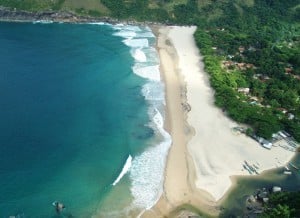
AS MELHORES PRAIAS DE ILHABELA SP06:10
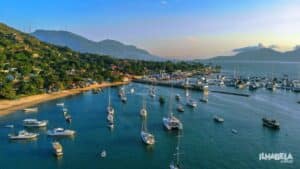
14 Lugares imperdíveis em Ilhabela11:12
ILHABELA, SP | Roteiro de 4 DIAS em um dos melhores destinos do litoral paulista27:02
O QUE FAZER EM ILHABELA - Pousada, cachoeiras, praias...05:05
Ilhabela Tourist Attractions
1. The beaches
On the side of the island facing the mainland, the sea has calm waters and is popular with sailors, windsurfers and kayakers. This is where the small urban area is concentrated, squeezed between the beaches and the mountains.
Pristine beaches with strong waves or secluded spots in small coves with transparent water are on the side facing the open sea.
To reach these places you have to take dirt roads, walk long distances or rent a boat.
Baía dos Castelhanos, Saco do Sombrio, Fome and Bonete are some of the most beautiful beaches in Ilhabela.
Beaches in the center
1. Perequê Beach

One of the largest on the island, this is the beach where events are held during the season, attracting a large number of visitors, also due to its beauty, which has everything for a postcard setting: blue sea, clear sand and tall coconut palms lined up along its length; ideal for windsurfing when the south wind is strongest; boats and schooners depart from here.
At the end of the afternoon, the sunset completes the scenery, making it one of the most beautiful natural spectacles on the island. It has a great infrastructure of kiosks, bars, hotels and restaurants.
2. Itaguaçu Beach

This is the beach where you have the most different reasons to be there. Take a dip in the sea, go for a walk, exercise or just relax in one of the many bars, restaurants and kiosks.
It’s a perfect place to enjoy a beautiful sunset, and in the evenings it also offers good gastronomic options from sushi to steak and pasta to pizza.
3. Itaquanduba Beach

A small beach, 100 meters long, its name is of Tupinanbá origin, meaning “stone that rolls”. It is home to the marina of Porto Ilhabela. Sheltered from the surf, it is ideal for sailing and canoeing.
You can enjoy a stroll along the bike path accompanied by a beautiful sunset.
4. Engenho D’Água Beach

A quiet beach, ideal for water sports, from canoeing to parasailing. It’s one of the most beautiful views, especially at sunset, which makes you want to go for a walk.
There is an old sugar cane mill, which is a historical heritage of the city, surrounded by coconut trees and umbrellas, adding something extra to the landscape of this beautiful place.
5. Pequeá Beach
Very popular, suitable for water sports such as canoeing, diving and swimming. It’s worth risking a few lures where the current of the channel is only a few meters from the sand. Night fishing is a meeting place for anglers.
6. Saco da Capela beach

Sheltered from currents and winds, countless sailboats and motorboats moored in the calm waters in front of the Pindá Yacht Club create a lush sea and land setting.
Its infrastructure of bars and hotels on the seafront are part of this unforgettable sight. For those arriving by boat, the best option is to enter the island through the pier.
7. Santa Tereza Beach

Also known as the fishermen’s beach, this is the ideal place to buy fresh fish every day, where you’ll find the market and the fishermen’s pier. Santa Tereza is the mooring for the yachts and boats that add nobility and style to the look.
To its right, after the rocks, it offers a good, quiet spot for those who like natural privacy.
8. Indaiá Beach

Divided into Praia da Vila, Praia do Centro and Prainha; good services in the village.
Northern Beaches
9. Mercedes Beach

Access from the main avenue. It is located 2.5 kilometers north of the village and 8.5 kilometers from the ferry. It’s not very well known because it’s behind the walls of a big hotel.
It’s a small sandy beach with a calm sea, ideal for swimming, snorkeling, skiing and sailing. It has a public phone and a bar. A perfect place to relax.
10. Viana Beach

This beach is easily accessible and good for snorkeling because of the many caves that serve as perfect hiding places for lobsters, octopuses, etc.
It is 100 meters long and is shaded by coconut palms and trees. The rocks in the corner of the beach can make for an incredible walk, even more so if you’re treated to the beauty of some of the countless fish that can be found there.
11. Siriúba Beach

A quiet beach, with a very calm sea, but which can be completely changed on windy days by kite surfers, who take over the beach with their colorful sails, creating a beautiful landscape. In the corner of the beach there is a small church hidden among the rocks, making it a special place to watch a beautiful sunset.
12. Arrozal Beach

Beautiful and quiet, it remains isolated from tourists, hidden behind vacation homes. It’s worth a visit, especially if you’re looking for a quiet beach without having to go to the ocean side of the island.
It’s an ideal beach for sunbathing, with clear, calm waters, tall coconut palms, shady almond trees, and a small stream that flows between rocks naturally aligned in the middle of the beach.
It is only 86 meters long and since it is almost at sea level, much of the sand is covered at high tide. There are other small beaches that follow the coastline for about 40 meters. To get to the beach, take an easy path of only 130 meters from the northern tip of Siriúba beach.
13. Pedra do Sino or Garapocaia Beach

Calm sea, coconut trees and a wide strip of sand; 4 kilometers from the city. According to caiçara stories, the beach owes its name to the sound the stones make when struck by an iron object, a signal to warn of pirate attacks.
14. Ponta da Azeda beach

The beach is small and quiet.
15. Pinto Beach

Located 6 kilometers north of the city, it can be reached by car from a private condominium.
From there it is a 100 meter walk to the beach.
The wide strip of clear sand is shaded by coconut palms, extravagant trees and umbrellas. The beach is crowded with beautiful people and is ideal for water sports and, in the quieter backwaters, swimming.
The old fishing colony has been replaced by a modern resort complex. Snacks are sold on the beach.
16. Armação Beach

One of the most popular beaches for monotype sailors, as it is home to the BL3 Sailing School. In addition to the charm of the colorful sails, the beach has a small church where ceremonies are held.
It’s a perfect beach for those who want to see the beauty of sailing and the excitement of the sailors. To the north, the lighthouse of PONTA DAS CANAS.
17. Pacuíba Beach

A setting for those who want to enjoy nature with a lot of peace and quiet. 50 meters long, its transparent waters give it a special touch. The beach disappears at high tide.
On windy days the waves take over the beach.
Local access is via a small track. At the end of the beach, small coves are ideal for snorkeling enthusiasts to enjoy the variety of fish such as garopa, whiting and red snapper, among others.
18. Jabaquara Beach

A beach with calm waters and clear sand, interspersed with waterfalls, a few caiçara houses, boats and many trees. Access is by a 500-meter trail from Pacuíba.
TRILHA DO POÇO, 4 hours, starts before Praia de Jabaquara, following the coast to Saco do Poço, with waterfall and natural pool.
19. Hungry Beach

Beach at the foot of a hill with crystal clear, calm waters, good for snorkeling; lots of rocks; access by trail or by sea. This was one of the main slave trading points.
Eastern Beaches
20. Poço Beach

Small, primitive and uninhabited; calm waters; rocks and boulders; good snorkeling; open sea to the east.
Between Saco do Poço and Saco do Eustáquio, BÚZIOS ISLAND is a snorkeler’s paradise, where you can watch dolphins, turtles and whales pass by, as well as various species of fish and lobster among the rocky caves.
21. Serraria Beach

This beach is 100 meters long and can be reached by sea or by a very difficult path from Jabaquara beach. It is mainly visited by divers.
In front of the beach is Ilha da Serraria, a favorable place for sport fishing and diving. Praia da Serraria is considered a natural shelter on days when the sea is rough.
22. Saco de Eustáquio beach

A must for those traveling by boat to the east side of the island, Saco do Eustáquio is one of the most peaceful and crystal clear spots in all of Ilhabela.
Praia do Eustáquio is located on the eastern side of the island. Although it can only be reached by boat, the small beach welcomes tourists all year round, who come to enjoy nature and clean waters combined with the comfort of bars serving drinks as well as the famous seafood portions. From the hill you can see the bay of Castelhanos.
23. Caveira Beach

This is a deserted beach, about 50 meters long.
Excellent for snorkeling and fishing due to its clear waters. Located on the eastern side of the island, it can be reached by sea or on foot from Serraria beach.
The beach became famous due to the shipwreck of the Spanish liner “Príncipe das Astúrias” in 1916, the subject of several caiçara legends.
24. Guanxumas Beach

Only 15 meters long, this is the smallest beach on the island. It can be reached by sea or by paths from Praia do Eustáquio and Caveira.
It is home to a traditional community of a few families and has a primary school.
As it is a sheltered beach, snorkeling equipment is the best option for perfect relaxation. Also good for fishing and swimming.
25. Castelhanos Beach

Once a refuge for pirates, who found here treasures as precious as the gold they guarded: water and food.
Today, Castelhanos is considered a refuge from the stress and bustle of the big cities, with a view of the immense sea with rough waves, the huge strip of white sand on the beach that covers its 2 km length, the two streams of transparent water and a huge waterfall nearby. In short, a perfect setting for a perfect day.
Castelhanos Bay: A beautiful area, very popular for snorkeling and surfing. Waterfalls and Atlantic Forest vegetation. A 22-kilometer dirt road – perfect for off-roading and trekking enthusiasts – crosses the IIhabela State Park and leads to the beautiful beaches of Figueira, Mansa and Vermelha, where the locals make a living from fishing and handicrafts.
26. Mansa Beach

It’s 25 meters long and, as the name suggests, the water there is “gentle”. Gentle is what you feel after a swim in this small stretch of sand, surrounded by the sea, coconut palms and trees that embrace you in the coziness of nature.
Cassava cultivation and fishing are the main activities of the local population. There is a school and a cold room where fish are kept. Suitable for spearfishing.
27. Red Beach

About 5 kilometers from Castelhanos is enough to get to this beautiful beach, dotted with local fishermen’s houses and ranches, making the landscape something to look at and feel the peace of the place.
It is home to a community that preserves old customs and lives mainly from fishing. This beach is ideal for snorkeling, fishing and a delicious swim in these clean, crystal clear waters that make the trip unforgettable, along with the scenery that surrounds it.
28. Fiqueira Beach

Hidden behind the Galhetas Islands, on the opposite side of the bay that leads to Saco do Sombrio, Figueira Beach is a little hidden paradise in Ilhabela.
With about 300 meters of fine white sand, its calm, green and transparent waters frame a colonial farmhouse on the far left, with a charming thatched kiosk and a fisherman’s cottage.
29. Saco do Sombrio

A fascinating place, although without a snorkeling beach. Hills and native forests surround the transparent waters, sheltered from the winds. A former refuge for French, English and Dutch pirates, the most famous being THOMAS CAVENDISH, who was hanged by his sailors after sacking the city of Santos in 1592.
Further south are PONTA DA PIRAÇUNUNGA and PONTA DA PIRABURA; at the southern end is PONTA DO BOI and a lighthouse.
Southern Beaches
30. Indaiaúba Beach

It seems like a divine gift hidden in the middle of the forest. The incredible blue sea contrasting with the white sand is the perfect setting for those who believe that life is worth living. A living postcard, and best of all, you’re part of it.
Several shipwrecks have been recorded in the area of Ponta da Sepituba and Ponta do Boi. The beach has several spots suitable for line fishing.
31. Enchovas Beach

Sand strip protected by stone walls; access by sea or footpath (45 min. walk from Bonete). Monazite sand.
32. Bonete Beach

White sand and clear sea; shore with umbrella trees; strong winds; huge waves, good for surfing, at Canto Bravo.
The RlBEIRÃO DO BONETE flows to the left of the beach. A fishing village, the largest caiçara community on the island, where it is possible to stay. Access by sea or via TRILHA DO BONETE, 13 km from Ponta de Sepituba, with several waterfalls.
33. Veloso Beach

Calm waters, good for snorkeling, close to the Ponta Figueira lighthouse, monazite sand. The PICO DE SAO SEBASTIÃO TRAIL leads to the highest point of the archipelago (1,379m); difficult access makes the presence of a guide essential.
34. Curral Beach

Certainly the most popular and sought after beach on the island. It attracts thousands of fans throughout the year. Sea, beach and nature combined with the refinement of the bars serving everything from snacks to international cuisine is the secret of this success.
At dusk, an unforgettable sunset will take your breath away.
An additional attraction is the small chapel at the top of Curral Rock. Brazilian freighter AYMORÉ (1920) wrecked near Praia do Curral.
35. Praia Grande Beach

To talk about Praia Grande is to talk about variety. You can choose between a walk on the sand, a cold beer in one of the many bars, a ride on the banana boat or the disco ski, a visit to the little church or just a nice swim in the sea.
The bars, campsite, pousada and snack bar offer showers for swimming in the sand and the beach also has a campsite, soccer field and basketball court.
36. Julião or Prainha Beach

Hidden between Grande and Feiticeira beaches; transparent, calm waters, ideal for swimming and snorkeling; accessible by foot from the main avenue or along the coast from Grande or Feiticeira beaches.
37. Feiticeira Beach

The colors of the kite sails contrast with the facade of the old sugar mill of Fazenda São Mathias. It’s worth finding your way to this beach. When you arrive, a small stream bathes your feet.
The beach is surrounded by coconut palms and umbrellas that complete the mystical, paradisiacal look.
Two waterfalls flow between the beach and the southern coast. FAZENDA SAO MATIAS, friend of the mill. TRILHA PANCADA D’ AGUA, about 20′ easy walk, although steep, and signposted; starts on the hill behind Praia da Feiticeira and leads to CACHOEIRA PANCADA D’ AGUA, known as Cachoeira dos TRES TOMBOS.
38. Portinho Beach

The beauty of the fishermen’s houses on the beach, the wooden canoes, the chapel of Santo Antônio, the small square, the kiosk, the bars serving snacks, the coastline of Praia da Feiticeira on one side and the rocky shore on the other, make Portinho a cozy place, very popular on weekends and during the season.
Access from the sea is dangerous due to the number of rocks hiding under the clean, clear waters of this beach.
39. Pedra Miúda Beach

This is a small beach in front of ILHA DAS CABRAS. This beach is home to the Underwater Ecological Sanctuary, which is protected by law from underwater hunting and fishing.
Here you’ll find a wide variety of ornamental fish and other sea creatures such as starfish and, if you’re lucky, a seahorse.
The sea, with its clear water, covers the small stones at the bottom, giving the beach its name. It has a good infrastructure with bars and restaurants.
2. waterfalls
1. Escada Waterfall (located on the Castelhanos Road)
The course of the water flows through the rocks and the vegetation of the forest, creating a ballet of water with a relaxing movement. There is a rest area near the fountain. The trail is marked.
You can drive to the Ilhabela State Park, where there is a parking lot, hot tub and a place to drink water. Don’t forget your insect repellent, camera and sneakers.
2. Lage Waterfall (typical Atlantic Forest vegetation, you can find various animals)
The course of the river forms several waterfalls, toboggans and beautiful natural pools. This is the Lage waterfall. A 40-minute walk along the Bonete trail is the way to adventure.
It’s worth going down the waterfall to the sea, where at low tide you can see the wreckage of a shipwreck. Difficulty of the trail: low to medium. It is advisable to wear sneakers and to be accompanied by a guide. It is advisable to bring a snack due to the distance of the trail.

3. Toca Waterfall (located within Fazenda da Toca)
Natural showers, historical trails, ecotourism and camping. Pirate ruins, natural toboggans, rock surfing. Toca is all this and more. One of the most traditional tourist attractions in Ilhabela.
Its toboggans, formed by the flow of water, take you down to the natural pools, guaranteeing plenty of adrenaline and excitement. You can also taste the traditional brandy in the alembic of Toca.
4. Cachoeira do Gato (recognized worldwide for its exuberance and huge volume of water all year round)

In the middle of the Atlantic Forest, there is the unforgettable image of a clearing cut by a 70-meter waterfall and a refreshing natural pool. The walk is of medium difficulty and takes about 45 minutes.
Absolutely not to be missed, the Gato Waterfall is the most visited waterfall in Ilhabela.
The paradisiacal setting is ideal for those who like a bit of adventure: the waterfall can only be reached via a trail located on the left side of Castelhanos Beach. A guide is recommended.
5. Veloso Waterfall (access through private property)
From Veloso Beach, a 40-minute walk will take you to a place of rare beauty, a 70-meter drop with pools of transparent, refreshing water.
The pleasure comes on the way back along the trail, where from some points you can enjoy an unforgettable view of the canal. It is advisable to bring insect repellent, a good pair of sneakers and a camera.
Nature will pose for you. And you’re sure to take some of the best pictures of your life.

6. Cachoeira dos Três Tombos (in each part of the route there are beautiful places with waterfalls)
Located near Praia da Feiticeira, three waterfalls form part of this beautiful natural setting. The largest of them plunges 20 meters from a rock face.
In its natural crystal clear pools you can swim and enjoy the natural showers formed by the water. The trail is of low difficulty.
3. Adventure Sports
The climatic conditions, the terrain and the preservation of the environment make Ilhabela the capital of adventure sports.
Kitesurfing on the most beautiful beaches, abseiling down beautiful waterfalls, with descents ranging from 50 to 80 meters of emotion and adrenaline; several trails to discover many waterfalls, rich flora of the lush Atlantic Forest. Horseback riding along trails in the Atlantic Forest, passing waterfalls and beautiful landscapes, with selected animals, trained and well cared for. All infrastructure and safety with experienced guides.
1. Sport Fishing
Sportfish that can be caught around Ilhabela
This is perhaps the most common fish caught with artificial lures in Ilhabela. They can reach over 15 kg, although the average is between 1 and 7 kg. They usually hunt small fish close to the coast where the sea hits hard, but they can also be found on reefs, in open water and along beaches and sometimes even in bays.
The largest specimens tend to live in deeper areas, usually on a plot. They are very aggressive and put up a spectacular fight. The most common way to catch them is by casting artificial lures, but fly fishing and other techniques also work. They are abundant throughout the year.
2. By bike
It’s extreme to ride a trail in the middle of the forest!
Getting to know Ilhabela by bike is a great option. A bike path from the ferry to the village is almost complete, a flat circuit of over 10 kilometers through beautiful coconut groves on the coast. Another more radical option is to take a trail in the middle of the forest or a downhill for the more radical.
3. Kayaking
Calm waters make the São Sebastião Canal an ideal place for kayaking
The São Sebastião Canal is not only one of the most beautiful coastlines in Brazil, but also offers a peaceful kayak trip through its sheltered waters. Exercise your body and relax your mind with a delicious paddle. And get to know Ilhabela’s waterfront from a different perspective.
4. Scuba Diving
The Brazilian Bermuda Triangle
Dozens of shipwrecks dot the coasts of the Isla Bela archipelago.
The explanation for so many shipwrecks would be that the ships had their navigational instruments altered by an inexplicable and mysterious magnetic field, causing them to deviate many miles from their routes and collide head-on with the submerged rocks and slabs of the coastline.
Whether it’s an exaggeration or not, the south coast of Ilhabela is considered a wreck diving paradise. Dozens of ships, including tugboats, freighters, old sailing ships, steamers and passenger ships, as well as homes for the inhabitants of the seabed, make the modern diver happy.
Among the ships that have sunk around São Sebastião Island are the Brazilian freighters “Aymoré” (1920), “Therezina” (1919) and “Atilio” (1905), the British “Whator” (1909) and the Spanish “Principe das Asturias” (1916), a luxury liner that sank on Carnival Tuesday with an official death toll of 477.
There is speculation, however, that hundreds of World War I refugees who were in the liner’s hold also died.
5. Motocross
Discover the charms of Ilhabela
Freedom to make your own itinerary, from north to south of Ilhabela, discovering many beaches, trails and waterfalls in a quick, practical and economical way.
6. Off Road

Jeep tour to Castelhanos
The road to Castelhanos Beach in the Ilhabela Archipelago attracts many off-road enthusiasts.
During the high season, about 300 vehicles a day travel the trail that gives access to the beautiful and mysterious beach. Moved by 4×4 vehicles, the adventurers, who live with their feet (and heads) in the mud, seek the road due to the local weather conditions, with periodic rain and high humidity.
Castelhanos is 22 kilometers long and rises from sea level to more than 800 meters above sea level, with great challenges for jeepers. The route takes an hour and a half to reach the beach, with several stretches that deserve attention.
To facilitate rescue in case of accidents or vehicle breakdowns, the jeepers have given names to the most dangerous places – Imbiruçú, Canas, Morro do Sabão, Volta Grande and Mãe D’água.
These places are very slippery, steep and have huge rocks. In addition, trees fall and ravines collapse frequently, adding to the thrill of the ride.
For these and other reasons, it is essential to have a suitable vehicle before embarking on the trail. The Castelhanos Trail crosses several rivers and waterfalls, and there are times when those unaccustomed to the sport think that the vehicle will not be able to pass due to the mud on the road.
7. Horse Riding
Horseback riding through Brazil’s most beautiful island
The perfect way to enjoy nature is on horseback, trotting along trails and dirt roads. With daily departures, the guided ride to Água Branca Waterfall takes 2 hours round trip.
4. Trails
1. Água Branca Trail
Difficulty – Low
At 2,145 meters in length, this is the most signposted trail on the island, with picnic areas and tree identification stations. Delightful waterfalls and natural pools refresh the hike. It begins at the State Park Guardhouse on the Castelhanos Road.
2. Boi and Friagem Waterfall Trail
Level of difficulty – High
Located north of Viana beach in Ilhabela, a trail forks leading to the Couro do Boi and Friagem waterfalls.
These are a 3-hour walk away, but require an experienced guide to reach.

3. Veloso Waterfall Trail
Difficulty – Medium
Located in the south of Ilhabela, the walk takes visitors to interact with the Atlantic Forest, and its main attraction is a waterfall approximately fifty meters high, with a pool of approximately seventy square meters and an average depth of one meter seventy.
Duration: approximately forty minutes.
4. Mansa and Vermelha Beach Trail
Level of difficulty – Low
From Castelhanos in Ilhabela, you can reach these three beaches via a trail that starts on the south side of the bay. It takes 30 minutes to reach the first beach, where it’s worth stopping.
Another 45 minutes through the forest will take you to Praia Vermelha. Figueira Beach is another two hours away. All of these beaches have unique charms, are natural habitats for the fauna and flora of the Atlantic Forest, and for people who live from fishing and handicrafts.
5. Serraria, Guanxumas and Eustáquio Trails
Difficulty – Medium
Serrariana Ilhabela is a small, simple, traditional community. From there it is a 1 hour walk to Praia da Caveira, an uninhabited but beautiful beach.
From there, it’s a 40-minute walk to Guanxumas beach, which is also home to a traditional community, and another 20 minutes to Saco do Eustáquio beach, which is well-structured with bars and restaurants, busy and great for snorkeling.
6. Bananal Trail
Difficulty – Medium
Located in the center of the island, this trail attracts a lot of attention due to the fact that it passes through an old banana plantation where the presence of animals and huge native trees is common. As a reward, you can swim in the waterfall.
Duration: approximately one and a half hours.

7. Bonete Trail and Lage Waterfall
Difficulty – Medium
This hike requires a good level of fitness and, if possible, an overnight stay at Bonete Beach (accommodation is available).
Starting from Ponta da Sepituba, where there is a parking lot, the 13 km trail is quite hilly and passes three waterfalls, which are great places to rest. The trip takes three to four hours.
8. São Sebastião Peak Trail

Difficulty – High
This walk takes visitors to the highest point in Ilhabela, Pico de São Sebastião, which reaches 1,379 meters. You need to be in good physical condition to do this walk, and as a reward you can fully interact with the exuberance of the Atlantic Forest in its dominant stage.
Duration: approximately eight hours.
9. Baepi Peak Trail
Difficulty – Medium
Climbing Pico do Baepi in Ilhabela (1,025 meters above sea level) is a challenging 4-hour hike through the forest. Permission from the park administration is required, as is the accompaniment of a guide.
Climbing should be avoided on rainy days. On a clear, cloudless day, the view from the top reaches the Ilhabela mountain range, the canal and a good part of the Serra do Mar.
10. Fountain Trail
Level of difficulty: High
It’s at the end of the road in the north of the island. After Jabaquara Beach, follow a 4-hour trail along the coast to Poço Beach, where a waterfall cascades onto the sand, forming a freshwater pool.
11. Três Tombos Trail
Level of difficulty – Low
Located to the south of Ilhabela, Feiticeira, it offers three attractions: a natural pool, a toboggan run and a drop of about thirty meters, ideal for relaxation. Used for rappelling.
Duration: forty minutes.
12. Trails for all tastes…
Discover many beaches and waterfalls that can only be reached by hiking through closed forests rich in exotic species of flora and fauna such as heliconia, bromeliads, toucans… Experienced guides will take you through the trails of Ilhabela State Park in a safe and enjoyable way.
Ilhabela Tourist Guide

Publicações Relacionadas
Ponta do Boi Lighthouse: History and Significance
Anchieta Island: History, Beaches, and Nature
Florianópolis: A Blend of Urban and Natural Beauty
São Pedro e São Paulo Archipelago: An Overview
Ilha Grande: The Ultimate Tropical Paradise
History and Heritage of Itaparica Island — Bay of Todos os Santos
Atol das Rocas - Origin, biology, climate and shipwrecks
Itamaracá Island: Best Attractions and Activities
Alcatrazes Archipelago: Secrets of Evolution Revealed
Marajó Archipelago: A Unique Ecological Paradise
Jararaca-ilhoa: Endemic Species of Queimada Grande
Trindade and Martim Vaz: Discovering the Archipelago
What is the largest island in Brazil? Marajó and the Brazilian islands
This post is also on:
 Português
  English
  Deutsch
  Español
  Français