Teresina: A mixture of modernity, culture and nature
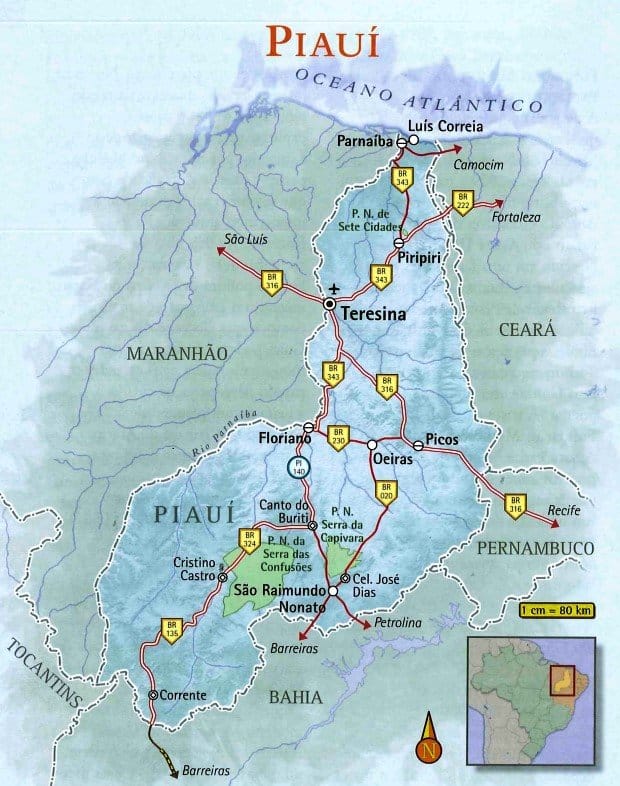
Teresina, the capital of Piauí, is a city that offers an interesting mix of modernity, culture and nature.
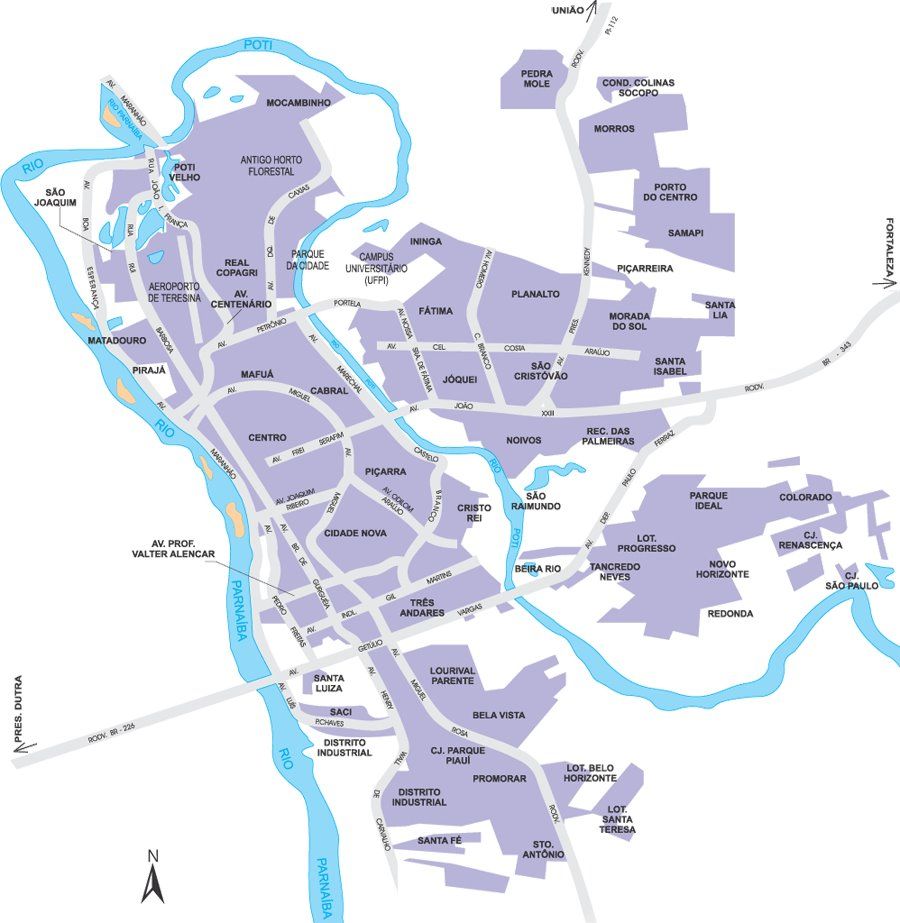
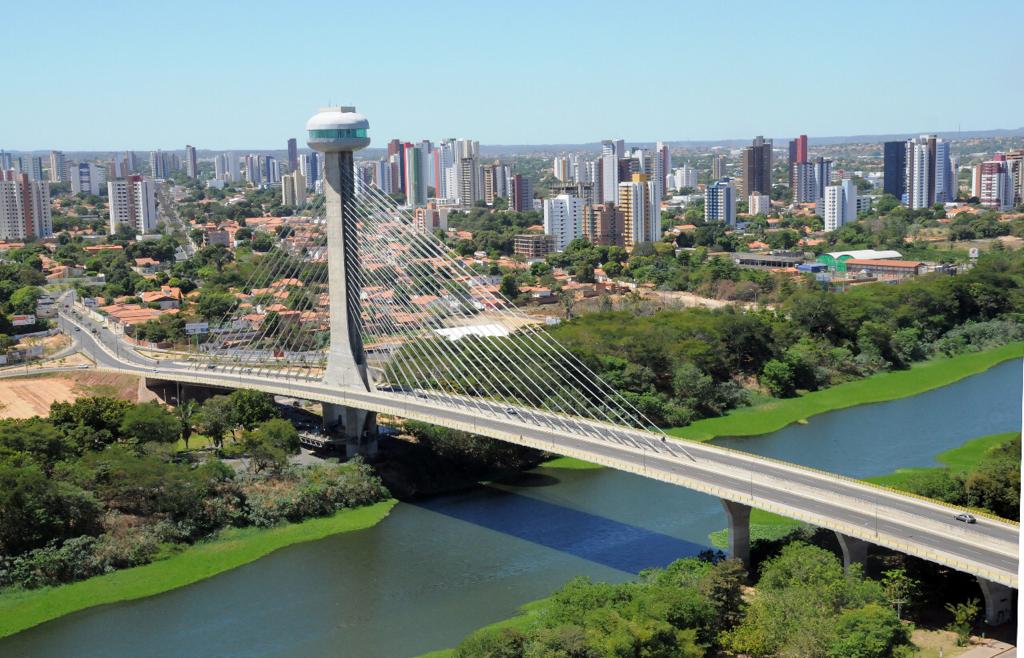
The only capital in the Northeast not located on the coast, Teresina is known for its strategic location on the banks of the Parnaíba and Poti rivers, which converge at a major tourist point in the city.
Importance of the rivers
The geographical location of Teresina in relation to the Parnaíba and Poti rivers is of great importance for several reasons:
- Water Resources: The proximity of these rivers provides a natural supply of water, essential for human consumption, agriculture and industrial activities.
- Climate: The rivers help to moderate the city’s climate, providing a cooling effect, which is particularly important in a region where average temperatures can be high.
- Tourism: The confluence of the rivers at a tourist site attracts visitors and provides opportunities for recreational activities such as boating and water sports.
- Urban development: The presence of rivers influences urban planning and infrastructure, facilitating the construction of leisure areas and parks along the banks.
- Culture and History: Rivers are culturally and historically important to the region, forming an integral part of local identity and influencing the daily lives of its inhabitants.
- Trade links: Historically, rivers have served as transport routes, facilitating trade and communication between different regions.
Urban and cultural tourism
Although not a beach destination, Teresina has much to offer visitors in terms of urban, historical and cultural tourism.
Climate and position
Teresina is located 350 kilometres from the coast, and the city compensates for its distance from the sea by the presence of the Poti and Parnaíba rivers, which cool the city’s climate somewhat, with an average temperature of around 30˚C.
History and culture
Founded in the 18th century, the ancient Vila do Poti (its current name, in honour of Empress Teresa Cristina, came with its elevation to the capital in 1852) stands in a region known as Chapada do Corisco – because lightning often coriscates the skies over the city, heralding the arrival of rain.
The name“Teresina” was chosen in honour of Empress Teresa Cristina, wife of Emperor Dom Pedro II of Brazil, and symbolises the city’s link with the development and modernisation of the time.
Town Planning
Teresina is flat, with parallel and perpendicular streets in an easy-to-follow urban layout. Unlike the other northeastern capitals, Teresina receives few tourists.
Nightlife and urban parks
Those who come to Teresina in Piauí, however, have the privilege of enjoying more than thirty urban parks, in a centre of surprising cultural vitality and lively nightlife, which takes place in its many bars and pubs.
See the map of Teresina in Piauí
Tourist attractions in Teresina, Piauí

Teresina no Piauí02:12

Drone - Teresina no Piauí
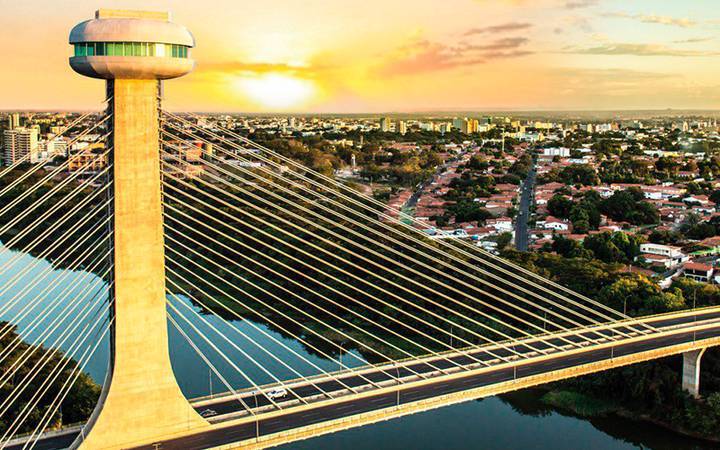
Teresina no Piauí - Guia de Turismo03:51
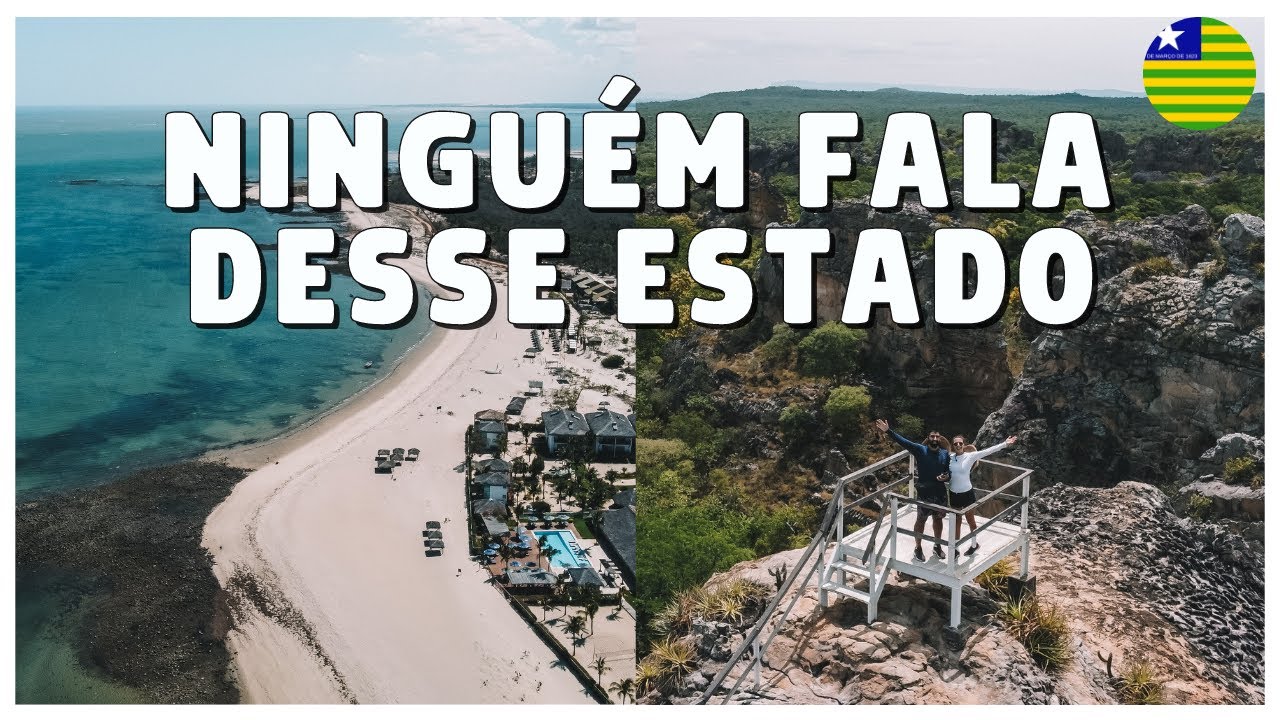
ROTEIRO DE 10 DIAS NO PIAUÍ30:57
- PRAÇA PEDRO II
- HOUSE OF CULTURE IN TERESINA
- PIAUÍ MUSEUM IN TERESINA
- KARNAK PALACE
- JOURNAL CLUB IN TERESINA
- WORD WORKSHOP IN TERESINA
- BANKS OF THE POTI RIVER IN TERESINA
- PARK MEETING OF THE RIVERS IN TERESINA
1. PEDRO II SQUARE
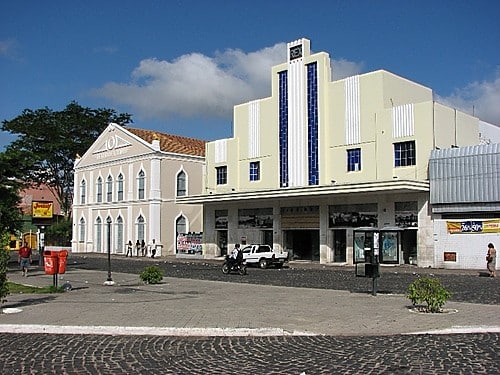
This square is the cultural centre of Teresina. It is the epicentre of the city’s bohemian scene and a meeting place for artists, and is home to the 4 de Setembro Theatre, built in 1894, which now opens its doors every week for shows at popular prices.
The old Cine Rex, inaugurated in 1939, retains its original Art Deco façade.
A must-see is the Handicraft Centre, which houses works of popular art, especially wood carvings, hammocks and opal pieces from the city of Pedro II, as well as buriti furniture by Abrahão Cavalcante.
2. HOUSE OF CULTURE IN TERESINA
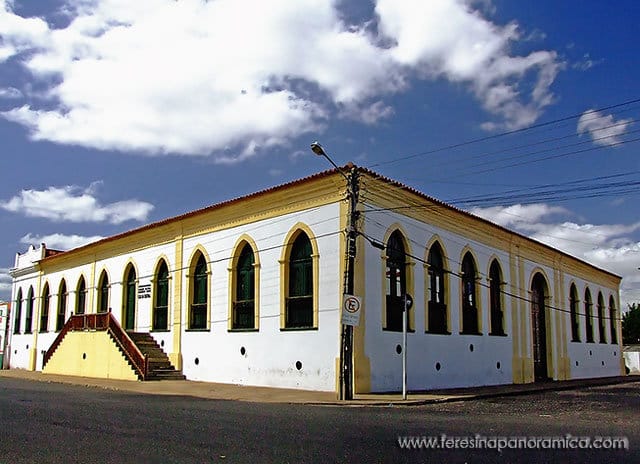
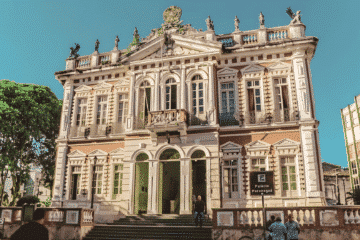
Located in a well-kept mansion from 1870, the House of Culture preserves the memory of the city through photographs, paintings, coins and other objects arranged in seven rooms.
There are also pieces related to the lives of illustrious people from Teresina, such as the journalist Carlos Castelo Branco (1920-93), who donated his library to the centre for consultation, and the photographer José de Medeiros (1921-90), with an exhibition of his beautiful images.
In the centre, where workshops and courses are held, you can find a programme of cultural events in Teresina. Rua Rui Barbosa, 348, Centre.
3. Piauí Museum – Odilon Nunes House
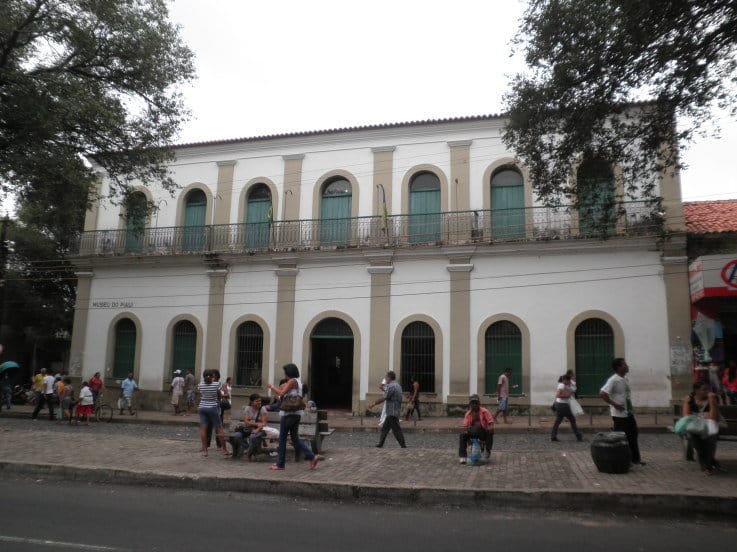
Founded in 1934, it was created as a section of the Public Archives of Piauí under the direction of Professor Anísio Brito.
In 1980, the building was restored and became the exclusive seat of the Museum of Piauí, organised in partnership with the Joaquim Nabuco Foundation of Recife.
The museum is housed in the former Mansion of Jacob Manoel Almendra, built in 1859. Once the Palace of Justice and the seat of the provincial government, it now houses the most important and varied historical collection in the state. There are pieces from the prehistoric, colonial, modern and contemporary periods.
There are rooms for visitors with permanent exhibitions on the following themes “The Earth”; “Man – Archaeology and the Indian”; “Piauí Colony”; “Piauí Empire”; “Old Republic”; “New Republic”; “Sacred Art”; “Popular Art”; “Communications”; “Heraldry”; “Numismatics“; “Pinacoteca”; “Governors’ Gallery”. The collection on display comprises around 2,000 pieces.
The piece that most attracts the attention of visitors is the Dom Pedro II canvas, dating from 1875, painted by Victor Meirelles de Lima.
Another highlight is the 16th century wooden baptismal font, which belonged to the chapel of Brejo de Santo Inácio (Oeiras’ National Estate). The font was used by the Jesuits to baptise the Indians and is one of the oldest pieces on display.
Another rare piece of great historical value is a ceramic funerary urn containing the bones of a child, dated to around 3,000 years ago.
In October 1999 the museum was renamed the “Odilon Nunes” Museum of Piauí, in honour of the great historian from Amarantino, on the occasion of the centenary of his birth. The address is Praça Mal. Deodoro da Fonseca, s/n, Centre.
4. KARNAK PALACE
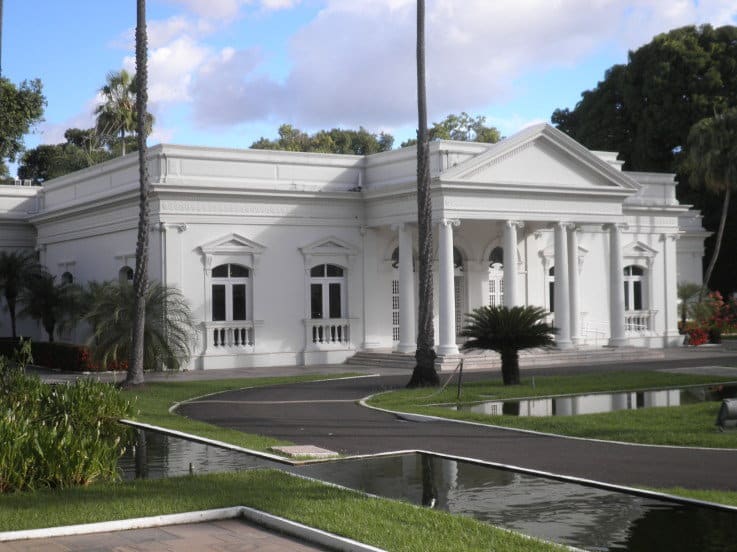
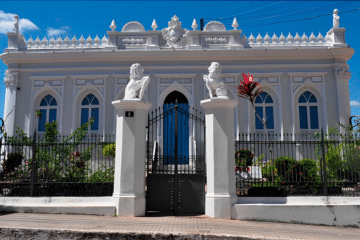
The Karnak Palace is the official seat of the government of Piauí. The palace has a white main façade inspired by classical architecture, and takes its name from an ancient temple of the same name.
Once the residence of the imperial elite, it became the seat of government in 1926, by order of the governor at the time, Matias Olímpio.
It was renovated in the 1970s, with the addition of the East and West Annexes, the Green Hall, the Assembly Hall, the Press Centre and gardens designed by Burle Marx, who created a water mirror with different species of palm trees, such as the native carnauba.
It is close to the São Benedito Church. During the Christmas period, the palace is decorated and lit up, including the gardens, where the Piauí Symphony Orchestra performs. It is also the venue for various tributes, governor’s lunches, decisions and political meetings. Av. Antonio Freire, 1450, Centre.
5. CLUB DOS DIÁRIOS IN TERESINA
Its lively carnival dances made history in the 1960s. Today it is a cultural centre, chosen as a meeting place for Teresina’s writers, visual artists, singers and journalists.
It houses the Torquato Neto cinema, with free midday screenings. A small shop sells the latest CDs and books signed by local authors. Rua Álvaro Mendes, s/n, Centre.
6. OFICINA DA PALAVRA IN TERESINA
A cultural space with an art gallery of artists from Piauí, a library, an auditorium and classrooms, the Oficina da Palavra publishes a free monthly poetry calendar, always featuring a poet and an artist.
It also organises “Encontros Inevitáveis”, literary-musical soirees on the last Wednesday of every month, starting at 8pm, focusing on the work of Brazilian and international poets. Rua Benjamin Constant, 1400, Centro.
7. BANKS OF THE POTI RIVER IN TERESINA
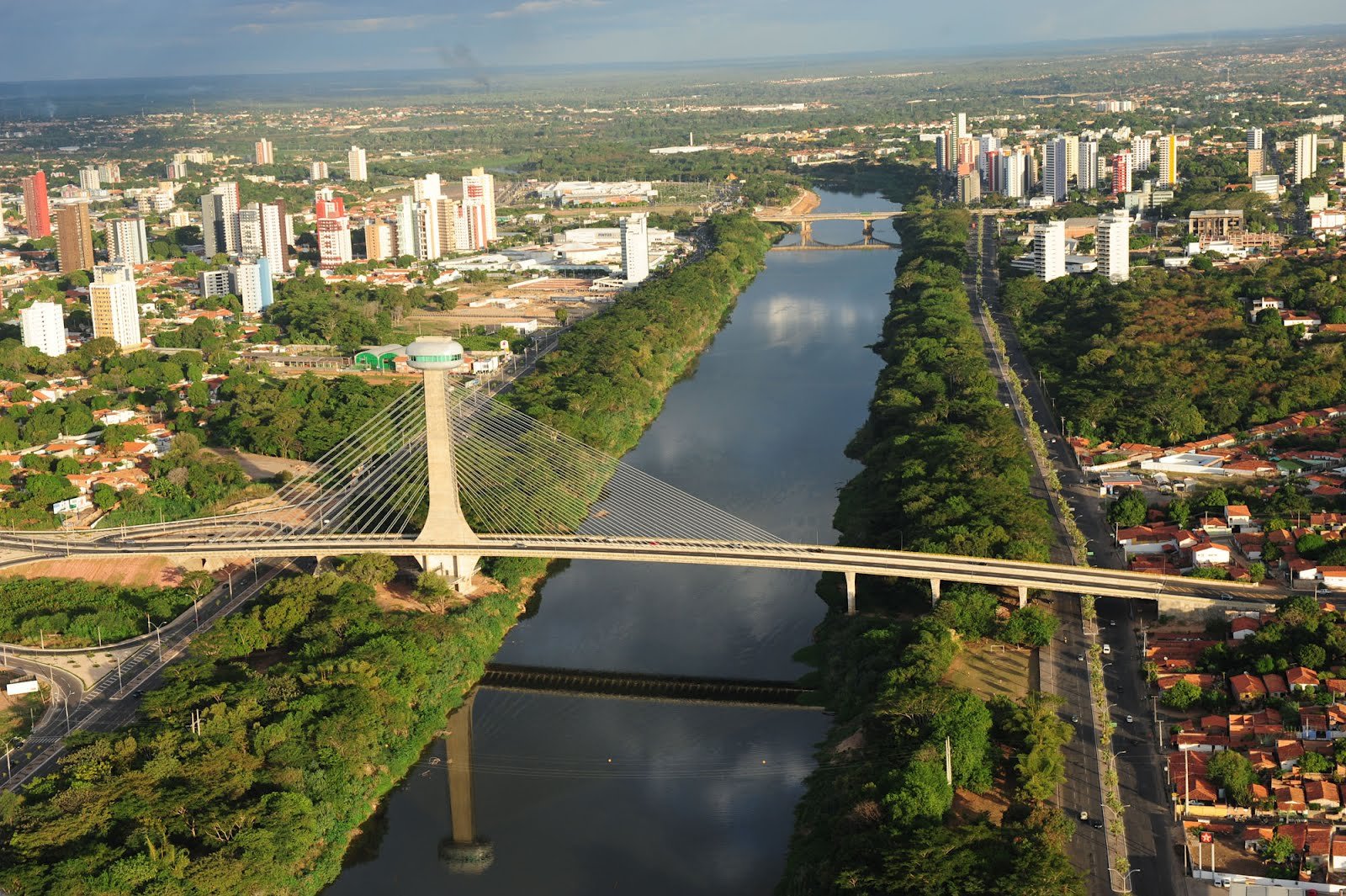
Every day at dusk, Raul Lopes Avenue welcomes hundreds of people looking for a cool breeze and some leisure. They run, walk, cycle and meet up on the promenade by the Poti River.
As night falls, the kiosks begin to welcome businessmen and students for a happy hour that often lasts well into the night.
The Caneleiro, named after Teresina’s emblematic tree, is a pleasant option for trying a city classic: cold beer with a delicious paçoca (opposite the Riverside Shopping Centre).
At Teresina Shopping, tourists will find a wide range of services and shops (Av. Raul Lopes, 1000, Bairro dos Noivos).
8. MEETING OF THE RIVERS PARK IN TERESINA
The park was created at the point where the Parnaíba River meets the Poti River, before flowing towards the coast.
A large statue of the fisherman Crispim – “Cabeça de Cuia”, a figure from Piauí folklore who, according to legend, was condemned to wander the river until he devoured seven virgins called Maria – stands on the site.
Leafy trees line the Parnaíba, where you can see the colourful canoes of fishermen from Poti Velho casting their nets into the water. Boa Esperança Avenue, s/n, Poti Velho.
9. VIOLEIROS
At night in Teresina, violeiros often play in bars and restaurants, in performances that last until the early hours of the morning.
The Casa do Cantador, a simple wooden pub surrounded by leafy mango trees, serves as a meeting place for all of them. Musical gatherings take place every night, but are most popular on Wednesdays (Rua Lúcia, 1419, Vermelha).
Cultural Events and Fiestas
- Teresina Carnival: Although it’s not as famous as the carnivals in other northeastern cities, Teresina’s carnival has its charm, with street blocks and popular parties.
- Salão do Livro do Piauí (SALIPI): One of the largest literary events in the state, it brings together writers, readers and publishers, promoting debates, workshops and book launches.
- Folguedos Festival: Held annually, this is a great celebration of Piauí’s popular culture, with performances by bumba-meu-boi groups, quadrilhas and other folkloric events.
Gastronomy
Teresina is a great place to try the cuisine of Piauí, with highlights including
- Carne de Sol com Paçoca: Shredded sun-dried meat mixed with cassava flour.
- Maria Isabel: A typical dish of rice and sun-dried meat.
- Panelada: A dish made from boiled beef innards.
- Cajuína : A traditional drink made from cashew nuts, very popular in the region.
Travel tips
- Climate: Teresina is known for its high temperatures all year round, so it’s important to be prepared for the intense heat, especially in summer.
- Transportation: The city is well served by buses, taxis and transport apps, making it easy to move between tourist attractions.
Tourist guide to Teresina in Piauí
Publicações Relacionadas
Main Tourist Attractions in Piauí You Must Visit
Canary Islands: Ecotourism in the Parnaíba Delta
Serra das Confusões National Park Travel Guide
Piauí: Discover Unique Tourism Experiences
Luís Correia: Explore the Best Beaches in Piauí
Piauí: A Guide to Its Stunning Attractions
Serra da Capivara National Park: A Historical Journey
Parnaíba Delta: Biodiversity and Ecotourism Hub
Kitesurfing in Barra Grande: The Ultimate Guide
Explore the Archaeological Marvels of São Raimundo Nonato
Sete Cidades National Park's Stunning Rock Formations
Discover Pedro II: the enchanted Switzerland of Piauí
Poti River Canyon: Your Ultimate Ecotourism Guide
Oeiras: Discover the Rich Historical Heritage
This post is also on:
 Português
  English
  Deutsch
  Español
  Français