Martim Afonso de Sousa’s voyage to Brazil was a maritime expedition involving military, exploratory and colonising activities along the coast of Brazil and the River Plate.
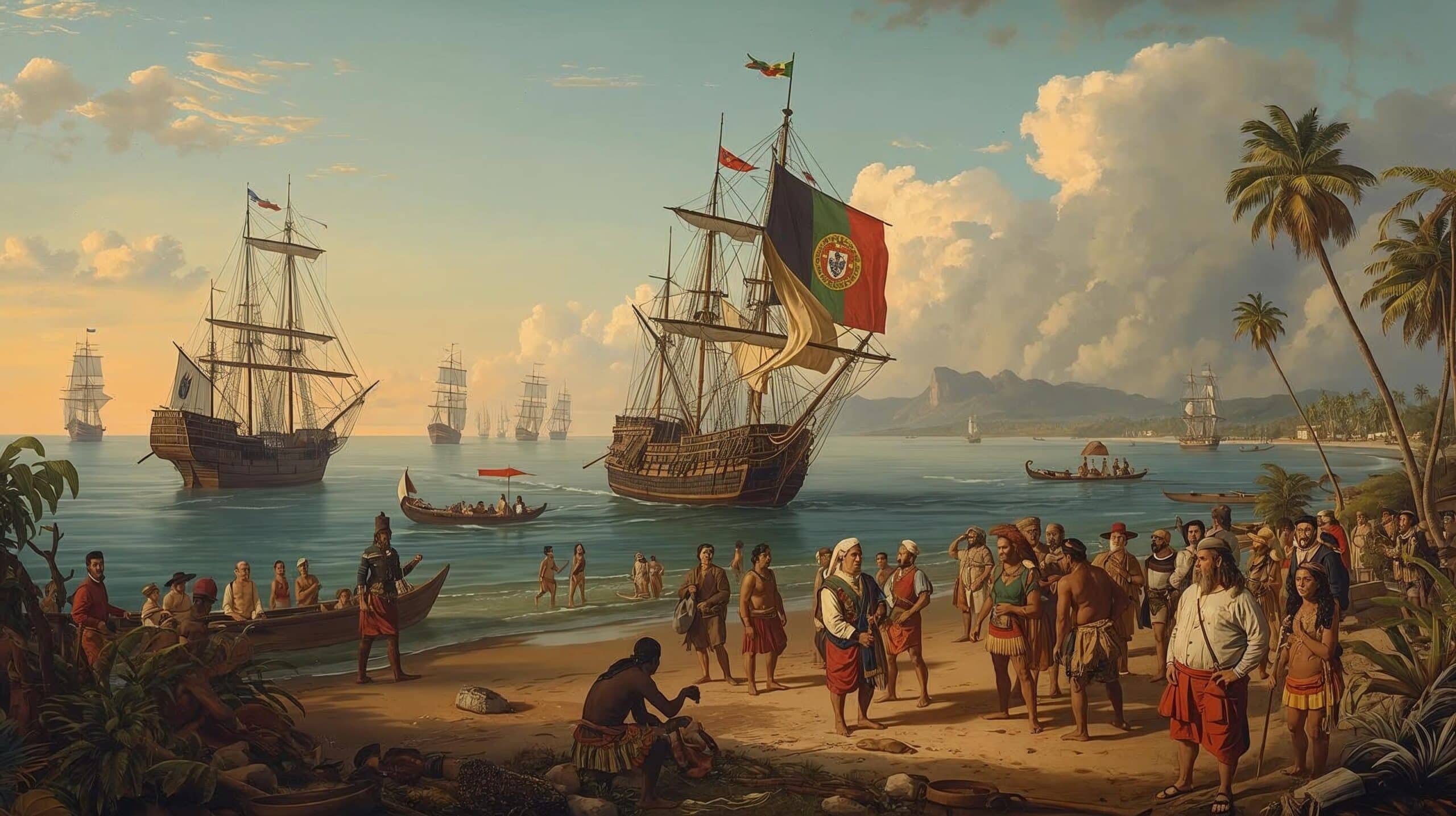
Between December 1530 and January 1532, the fleet sailed around the Atlantic islands, fought privateers, made contact with indigenous peoples (including a reunion with the Portuguese Diogo Álvares, also known as Caramuru), explored the land in search of mineral wealth, suffered naval losses and established Portuguese ownership of the lands around the Paraná estuary. This culminated in the fleet’s return and the definitive settlement of São Vicente.

1. Departure and initial actions (December 1530 – January 1531).

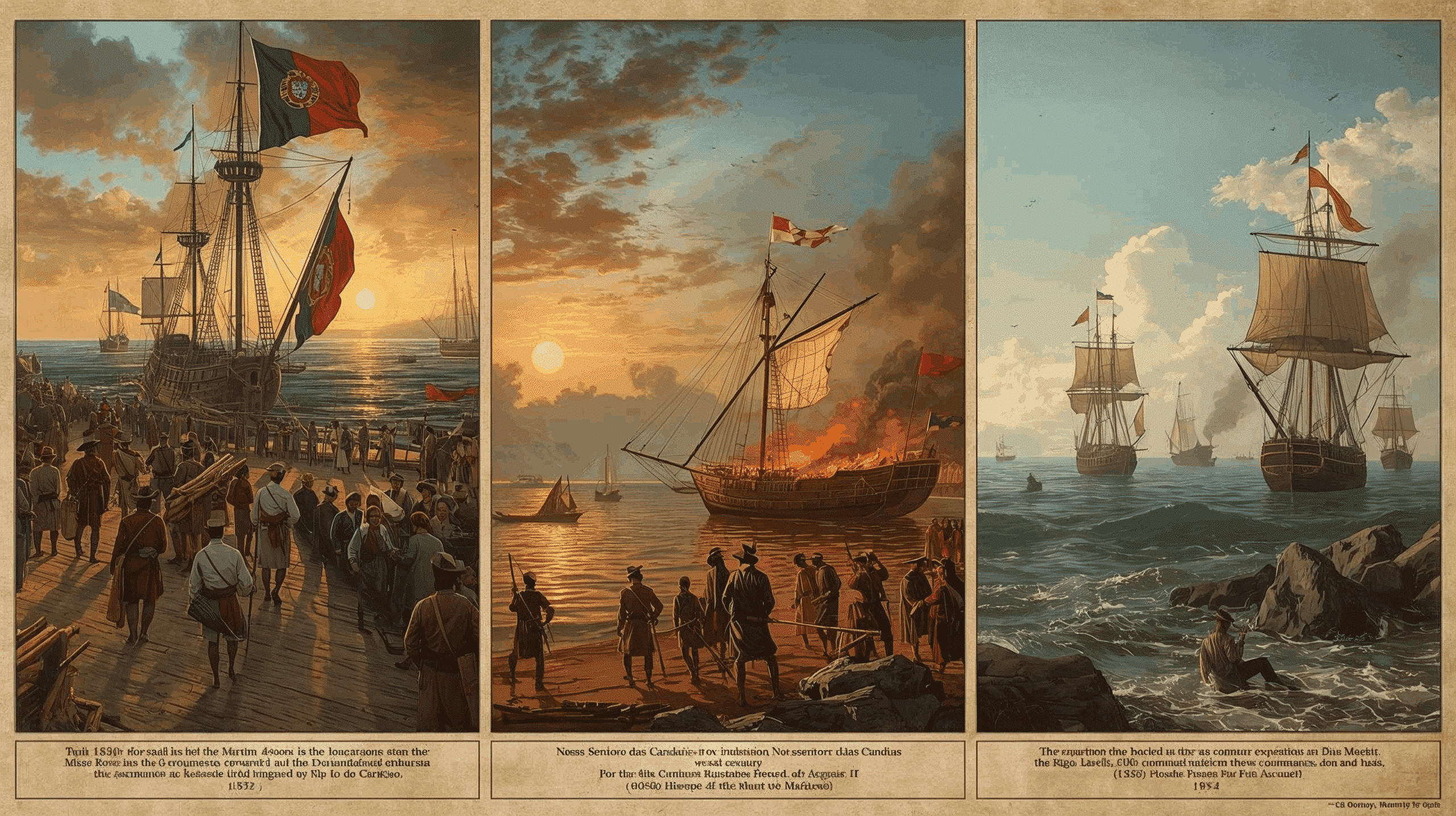
Viagem de Martim Afonso ao Brasil (1530–1532) — principais realizações
In December 1530, the fleet passed through the Canary Islands and Cape Verde en route to the coast of Pernambuco, which it reached at the end of the following January.
He then set about fulfilling his mission as a coastguard by capturing three French ships found in the area.
Shortly before, it was learned that a French galleon had plundered the Portuguese trading post in Pernambuco.
2. Martim Afonso’s decisions during the expedition.
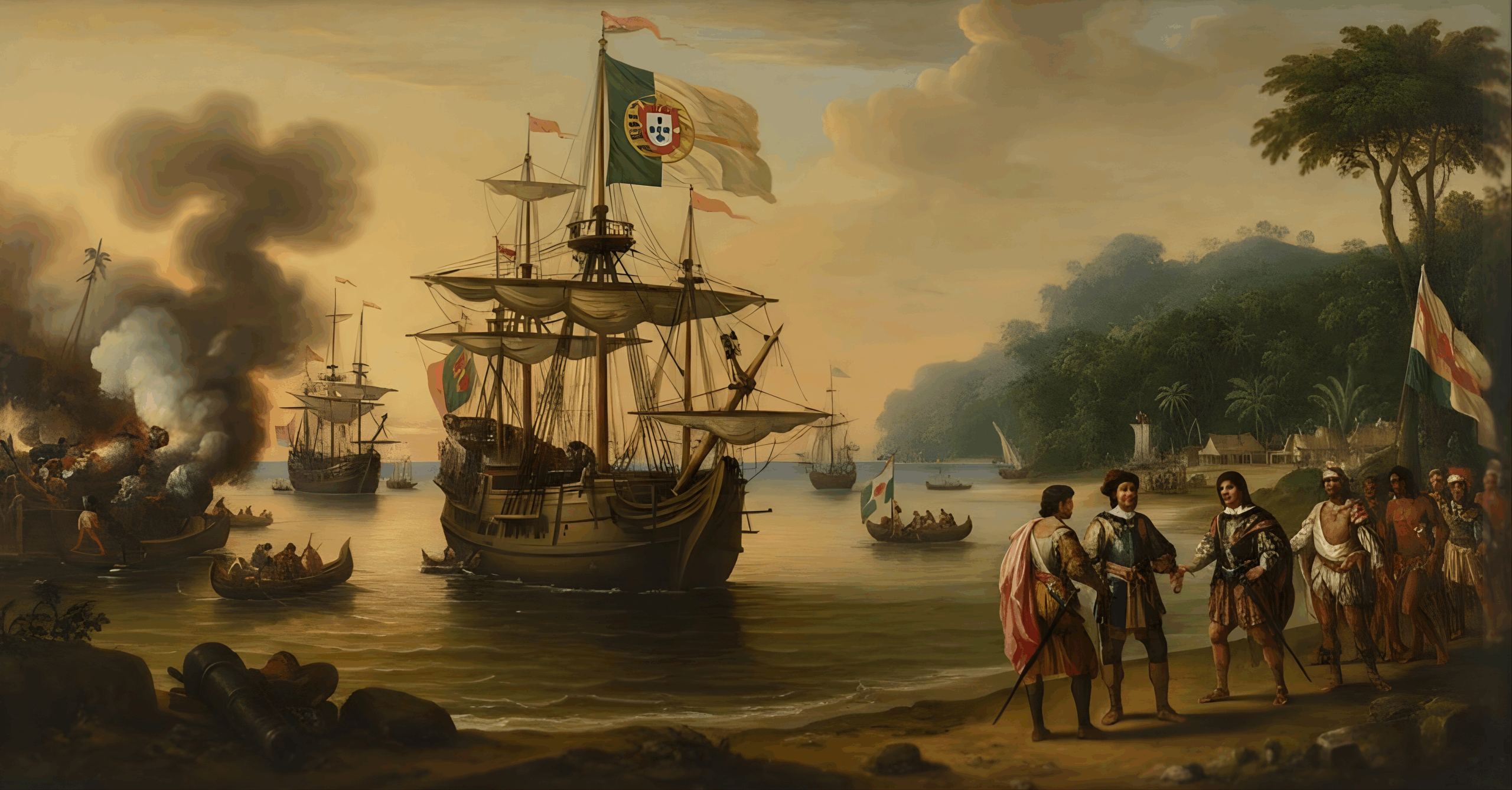
Martim Afonso sent one of the captured pirate ships to Portugal loaded with brazilwood. He incorporated another into the expedition under the name Nossa Senhora das Candeias and ordered the third to be burned.
Although one ship had broken away in São Miguel, he ordered the caravels Rosa and Princesa, commanded by Diogo Leite, to explore the Rio do Maranhão.
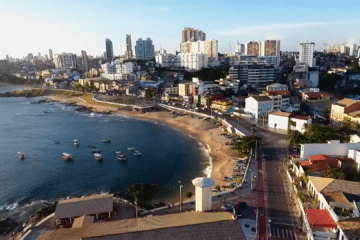
3. The Bay of All Saints and the Encounter with Caramuru (March–April 1531).
On 15 March 1531, two ships and the last remaining galleon set sail for Todos os Santos Bay.
Diogo Álvares, also known as Caramuru, was found living among the indigenous people. He had been in the region for twenty-two years, either as a shipwreck survivor or an exile.
Lopes found the locals to be very fair-skinned and cheerful, and the women to be very beautiful. He said that they were “in no way inferior to those of Rua Nova in Lisbon”.
After being celebrated and provided with supplies, the expedition members left two men in the bay with seeds, instructing them to ‘experiment with what the land had to offer’.
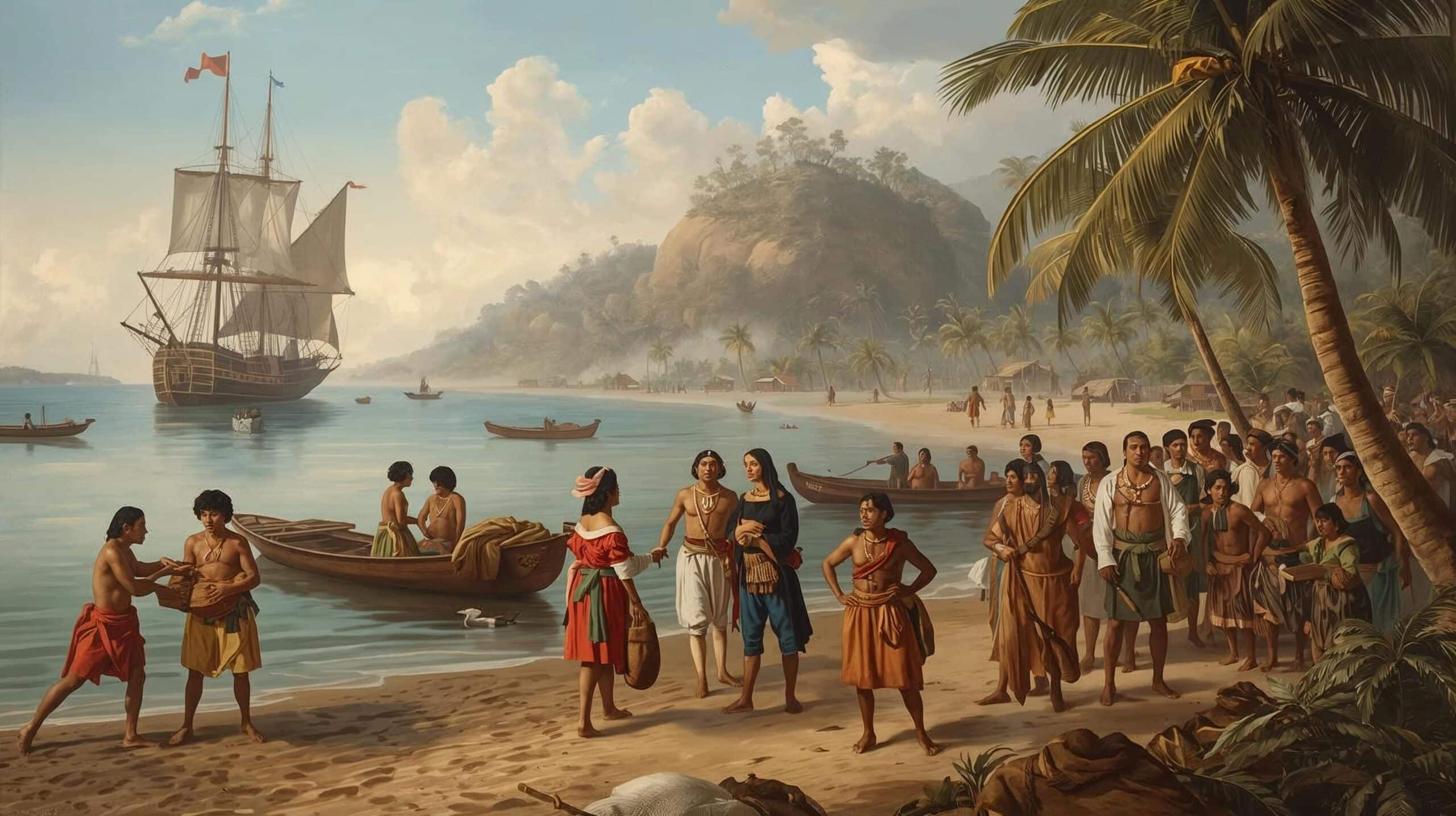
4. Exploration of Rio de Janeiro and the inland area (April–August 1531).
The expedition continued south and joined the caravel Santa Maria do Cabo, which was travelling to Sofala. They reached Rio de Janeiro at the end of April and remained there for three months.
The Captain-Major disembarked his men, who were warmly welcomed by the indigenous people. He ordered them to be sheltered in a fort surrounded by a palisade, which was then built. Once on land, they set up a smithy and constructed two 15-oared brigantines.
While provisions for four hundred people for a year were being obtained, four men were sent inland to explore. Over the course of two months, they travelled 115 leagues through mountains and fields, returning with an indigenous chieftain and news of gold and silver deposits in a river known as the “de Peraguay”.
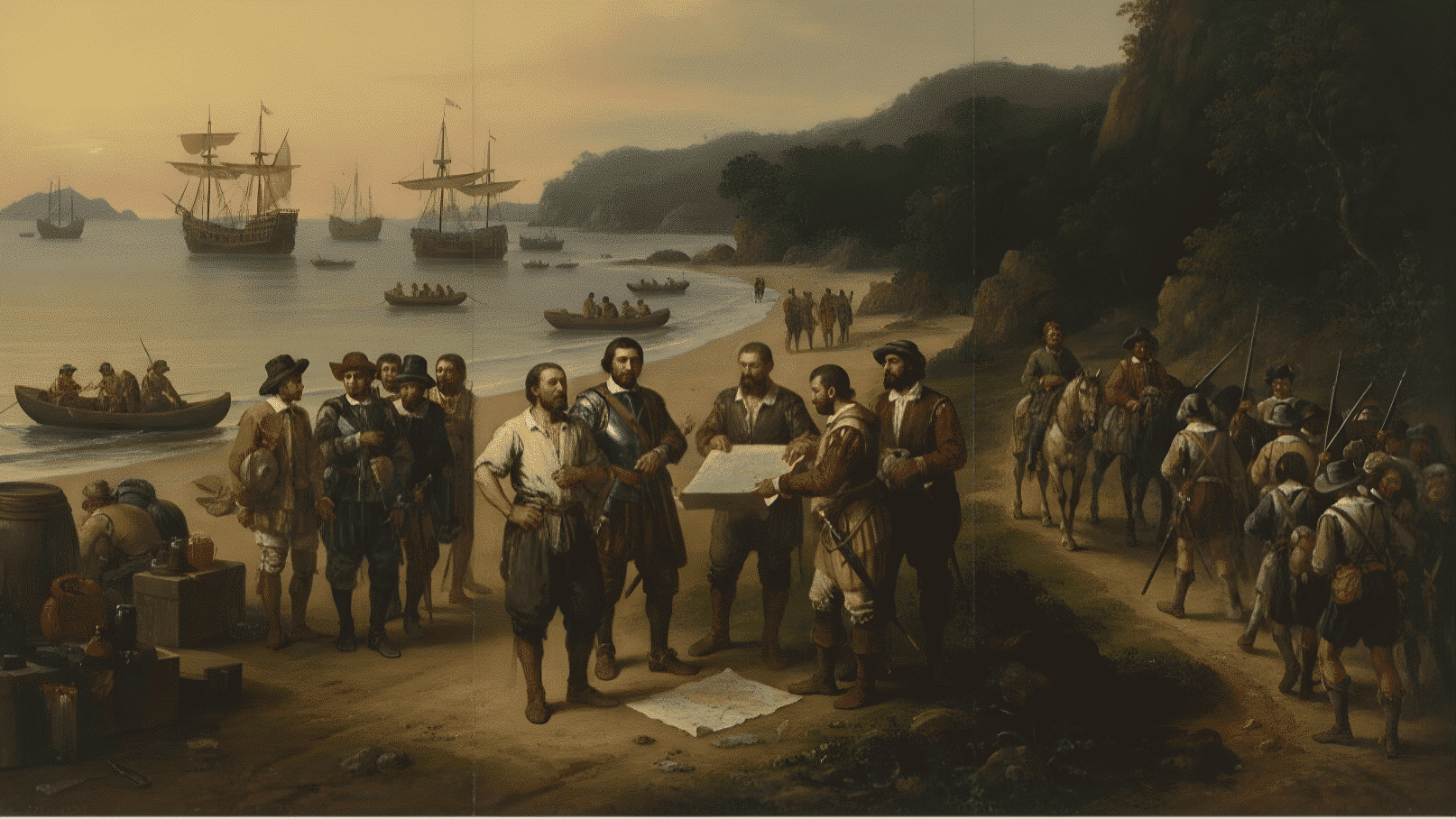
5. Cananéia and the Lost Expedition (August 1531)
A new stopover was established on Bom Abrigo Island in August, near the present-day city of Cananeia in southern São Paulo.
They found Francisco de Chaves there — nicknamed ‘Tongue’ for his role as an interpreter — a bachelor who had been exiled to the region thirty years earlier. They also found five or six men of Spanish origin.
Francisco de Chaves reported on the alleged abundance of silver and gold in the interior, and he accompanied an expedition led by Pero Lôbo to search for it.
The force consisted of around 80 crossbowmen and musketeers.
It was only later that it became known that this expedition had been attacked and almost completely wiped out by indigenous peoples living between the Paraná and Iguaçu rivers.
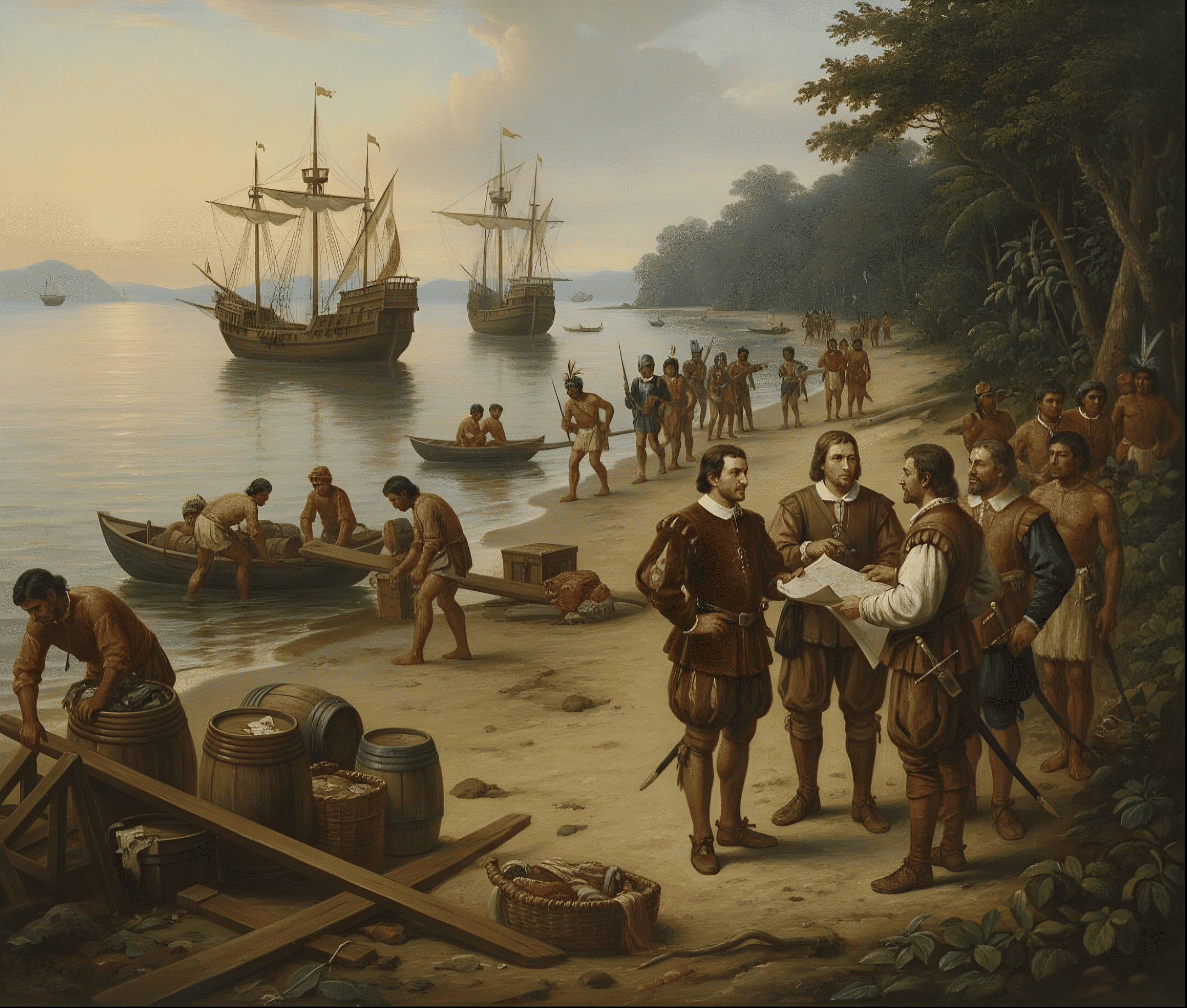
6. Towards the River Plate and the loss of the flagship (October–December 1531).
The ships left the region of Cananéia and sailed to Ilhas das Onças and Cabo de Santa Maria, which are located at the mouth of the river that is now known as the Rio da Prata.
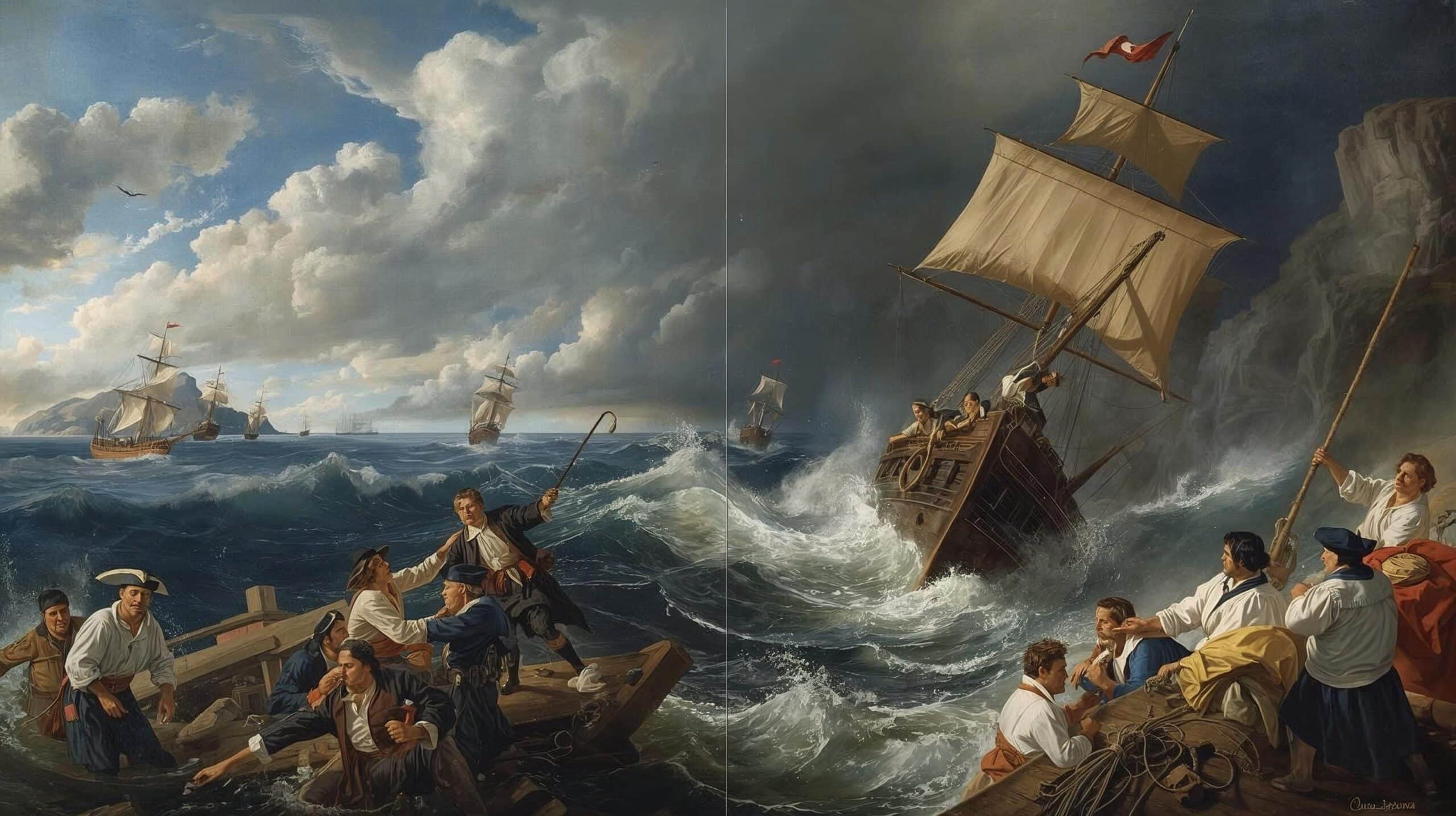
In October, the flagship was lost in a storm near what is now Punta del Este (Maldonado) and washed ashore. Martim Afonso and most of the crew were saved, but seven men died.
7. Exploration and possession of the Paraná River (November–December 1531).
The Captain-Major ordered that Pero Lopes and thirty men should continue exploring the great river in one of the brigantines.
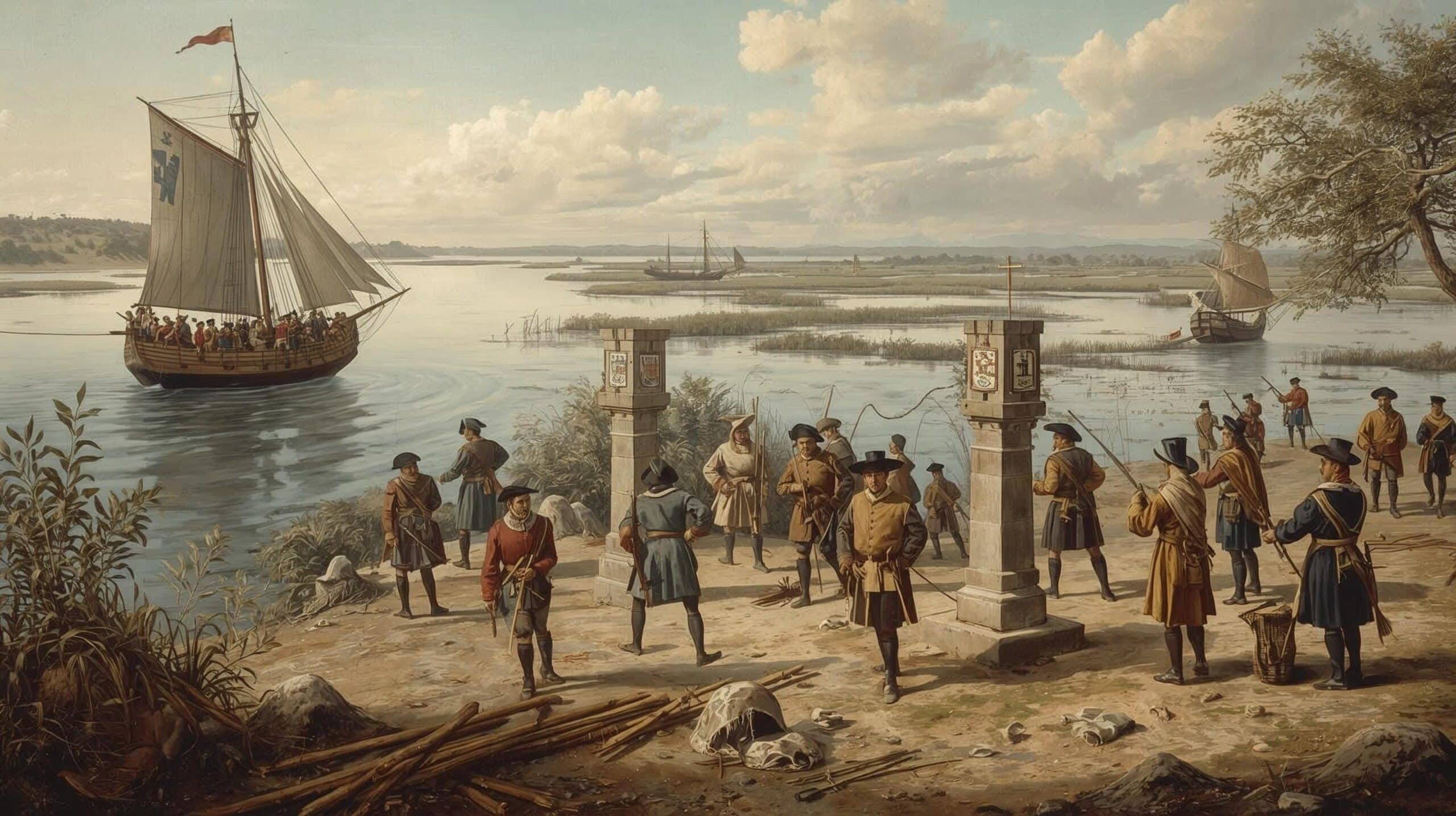
In November and December 1531, the expedition reached the Paraná delta and travelled up to the Esteiro dos Carandins, which is now part of San Pedro in Argentina.
Two landmarks bearing the royal emblem were erected to formally take possession of the land in the name of Portugal.
Then Pero Lopes joined the three remaining ships: the Nossa Senhora das Candeias, the São Vicente and the Santa Maria do Cabo.
8. Return to the Brazilian coast and the settlement of São Vicente in January 1532.
After completing his mission in the Platine region, Martim Afonso returned to the coast of Brazil in January 1532.
He ordered the Caravel to collect the stranded crew members of the Brigantine at Porto dos Patos, on the coast of present-day Santa Catarina.
The Santa Maria do Cabo also brought Castilian settlers who reported news of mineral riches in the hinterland.
After anchoring in the Port of São Vicente, the Captain-Major decided to settle in the area permanently and sent the two remaining seaworthy ships — the carrack and the galleon — back to Portugal under the command of Pero Lopes.

This post is also on:
 Português
  English
  Deutsch
  Español
  Français