Discover the Coral Coast: A complete guide to the charms of the North Coast of Alagoas
The North Coast of Alagoas, known as the Coral Coast, is home to the second largest coral reef in the world.
Stretching for 130 kilometres, this region is enchanted by the vibrant green of the coconut palms and the deep blue of the sea.
The exuberance of the natural pools and the biodiversity of marine life are attractions of indescribable beauty.
Several municipalities make up this scenery rich in attractions, where nature reigns supreme and offers the best services to visitors.
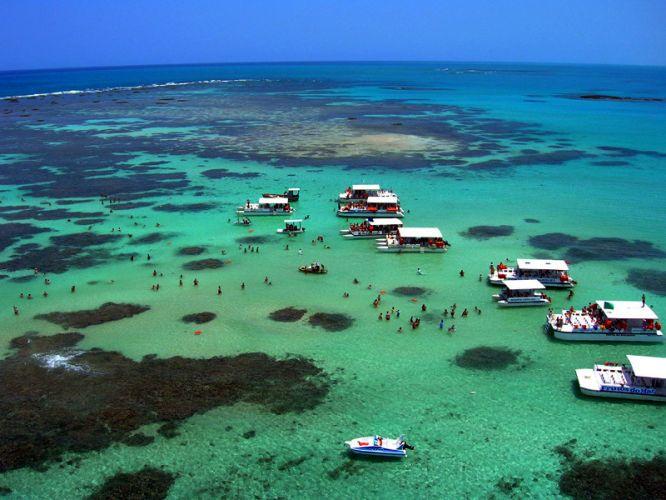
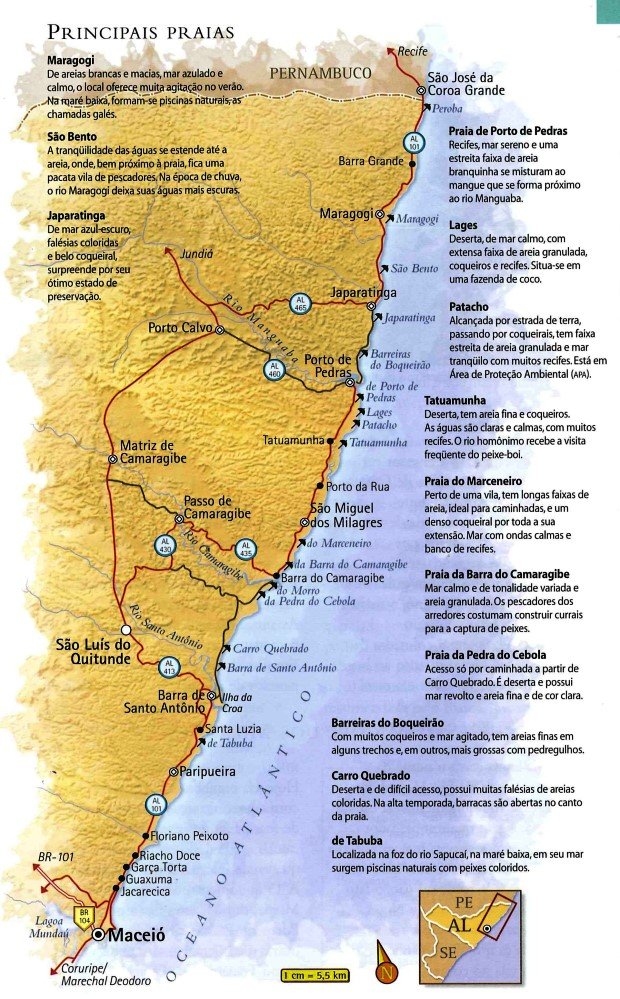
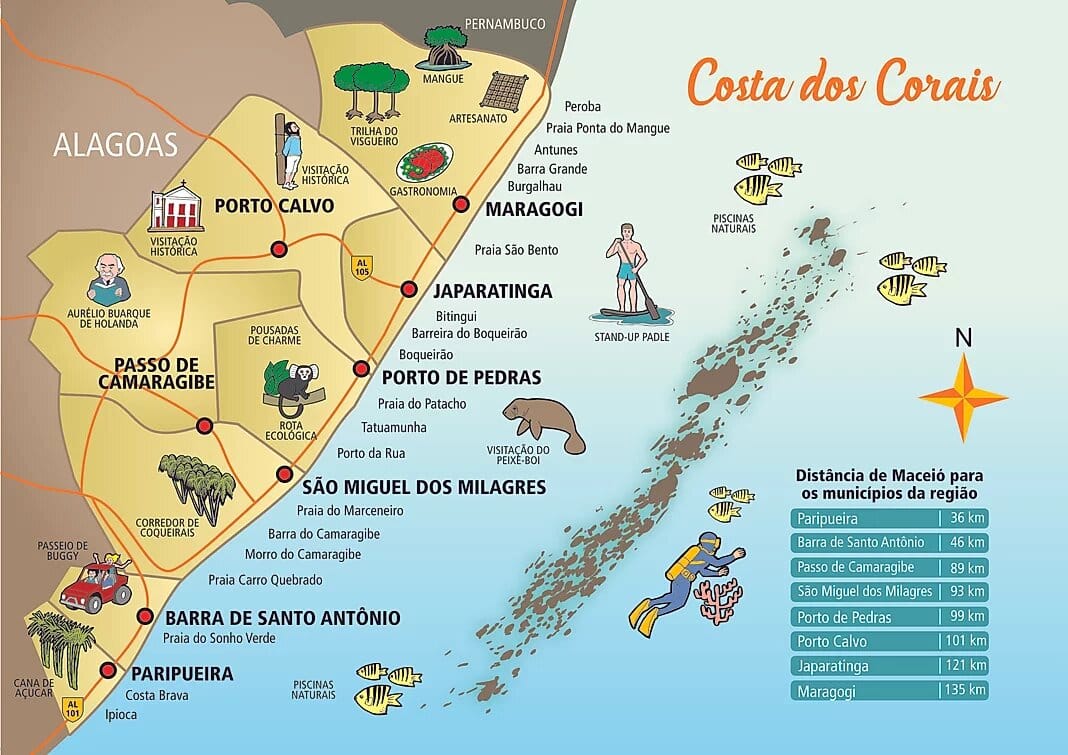
See the map of the Coral Coast – North Coast of Alagoas

Costa dos Corais em Alagoas05:27

Japaratinga em Alagoas04:51

Maragogi em Alagoas02:45

São Miguel dos Milagres em Alagoas04:54

Barra de Santo Antonio em Alagoas04:01
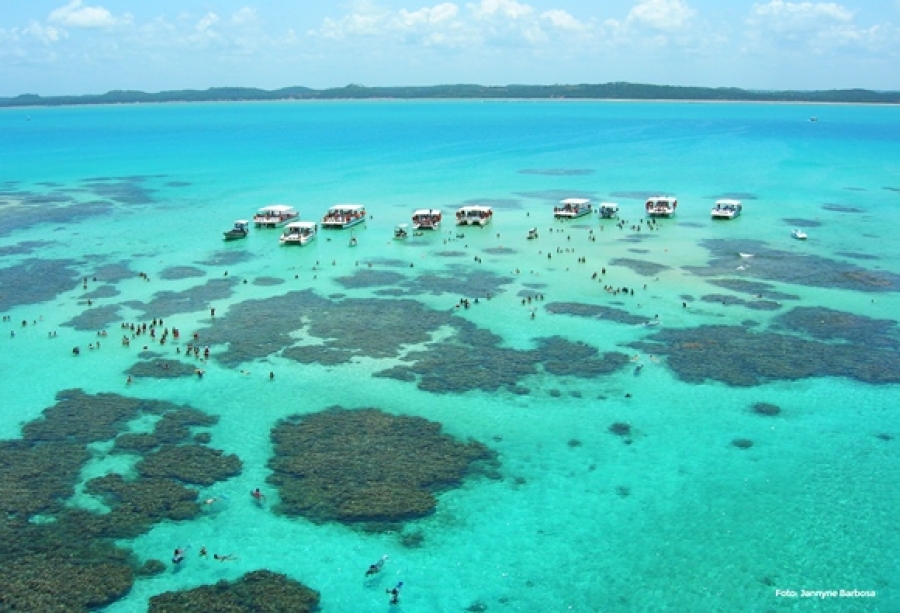
Costa dos Corais - Alagoas e Pernambuco - Parte 1
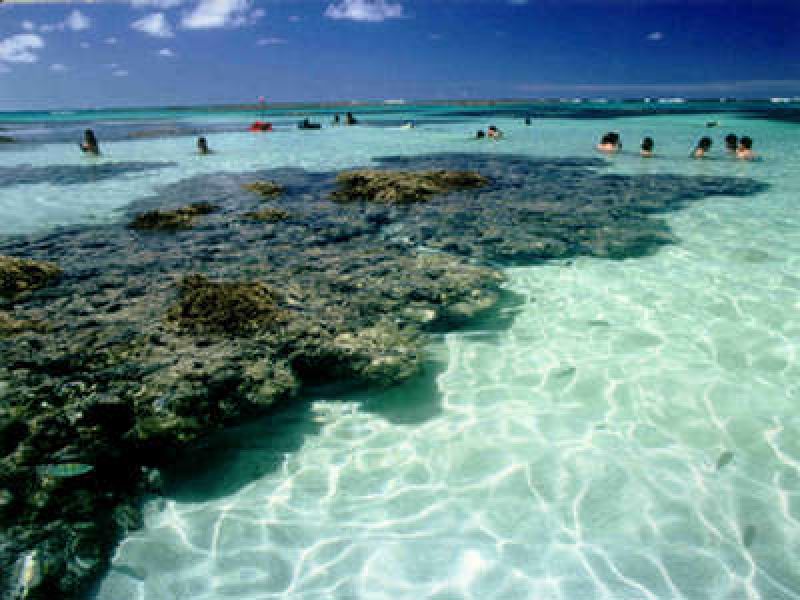
Costa dos Corais - Maragogi - Parte 2
Tourist Attractions of the Coral Coast
1. Paripueira
Paripueira, located 36 km from the centre of Maceió, means “calm waters”. It originated as a fishing colony and became a popular holiday resort due to its proximity to Maceió. Until 1988 it was part of the municipality of Barra de Santo Antônio.
With a population of 10,000, its economy is based on fishing, tourism and sugar cane.
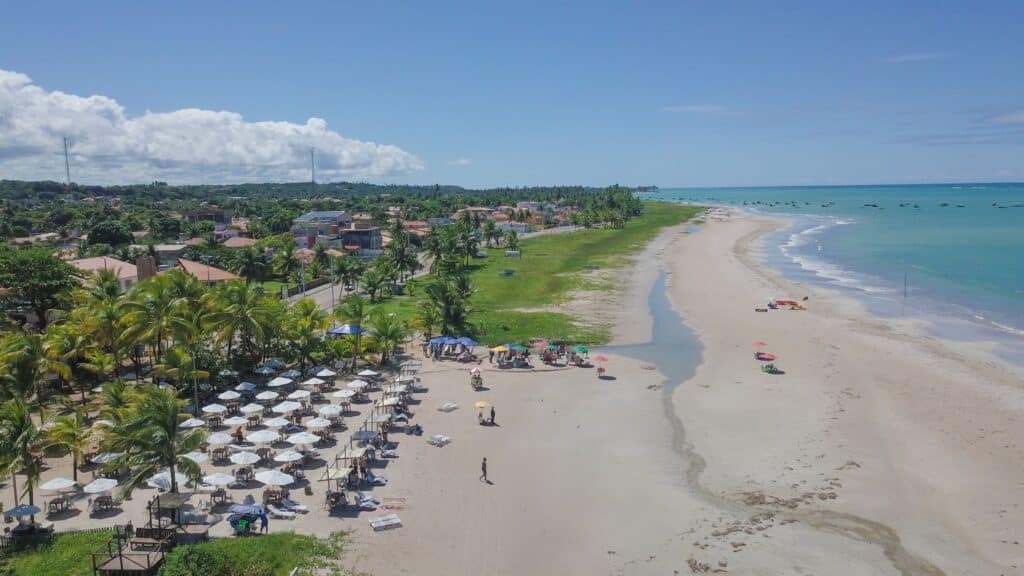
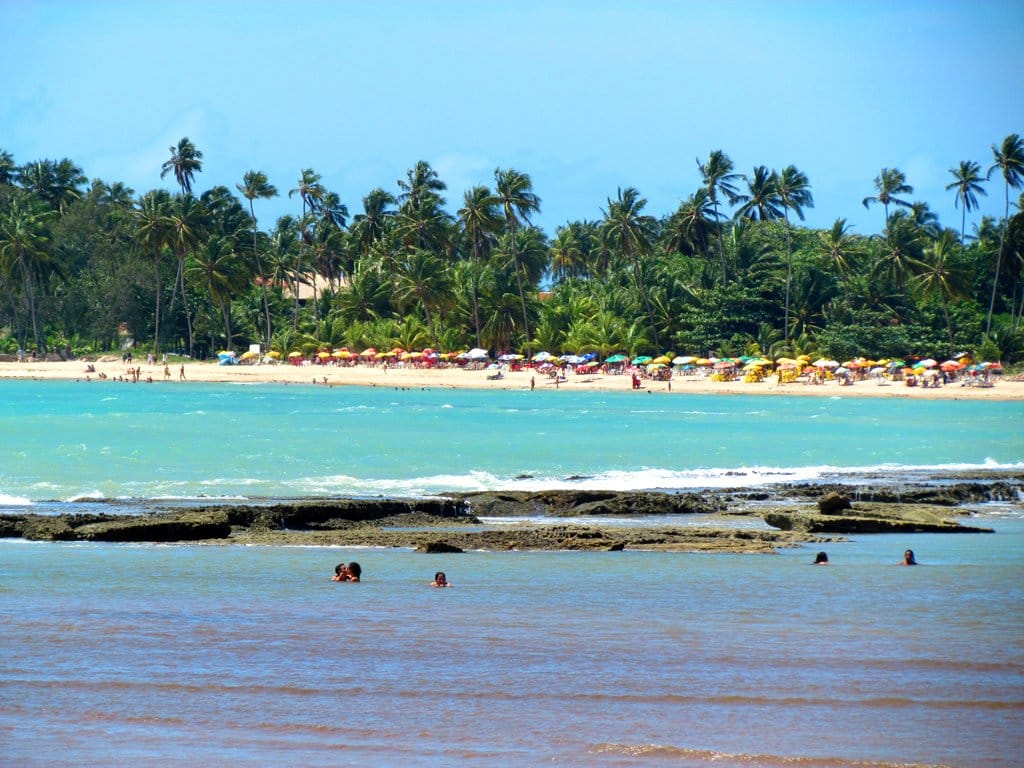
The municipality offers adequate infrastructure and has beautiful beaches such as Paripueira and Sonho Verde, as well as the largest concentration of natural pools in Brazil.
It is a true ecological oasis, where the first municipal park for the conservation of sea cows in Latin America was created.
2. Barra de Santo Antônio
Barra de Santo Antônio is located 45 kilometres from Maceió and has about 15,000 inhabitants. Situated on the banks of the Santo Antônio River, this municipality combines the simplicity of life of its inhabitants with the grandeur of historical monuments of 18th-century Dutch architecture.
Its rich history is linked to local culture and fishing, attracting tourists in search of authentic experiences.
The municipality’s greatest value is its natural heritage, which includes a large river surrounded by mangroves and beautiful beaches such as Tabuba, Carro Quebrado and Ilha da Croa.

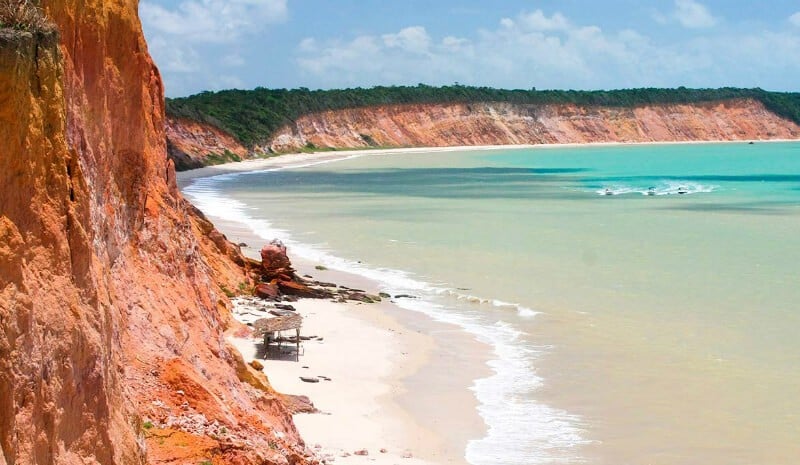
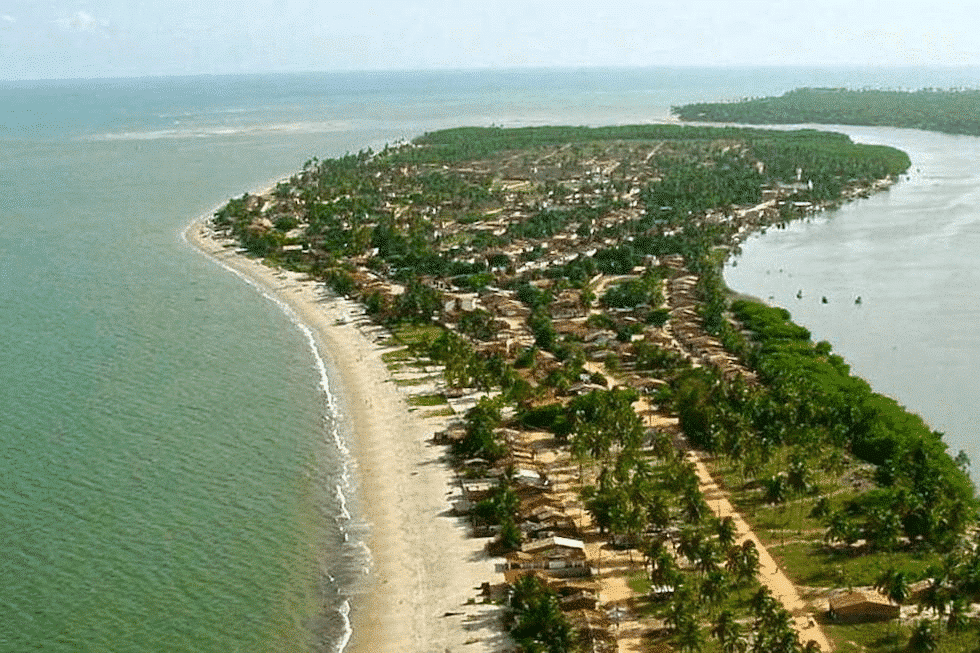
In addition to its natural attractions, Barra de Santo Antônio has the infrastructure to welcome visitors.
3. Passo de Camaragibe
Passo de Camaragibe, located 89 kilometres from Maceió, has a population of about 14,000 and is the birthplace of Aurélio Buarque de Holanda.
The city began on the banks of the Camaragibe River, where the river facilitated the passage of those coming from Pernambuco to Alagoas and served as a support point for Dutch ships.
It became a town in 1880 and was the scene of historic events during the Dutch invasion.
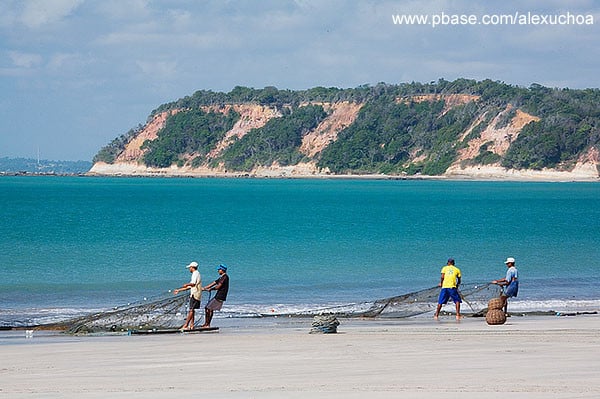
With inns and farm hotels, Passo de Camaragibe’s main economic activities are the cultivation of Bahia coconut, sugar cane, fishing and cattle raising.
Coco de Roda and Samba Matuto represent its popular culture.
Visitors will be enchanted by the abundance of natural resources: rivers, lagoons and mangroves, as well as an exuberant sea with reefs and corals.
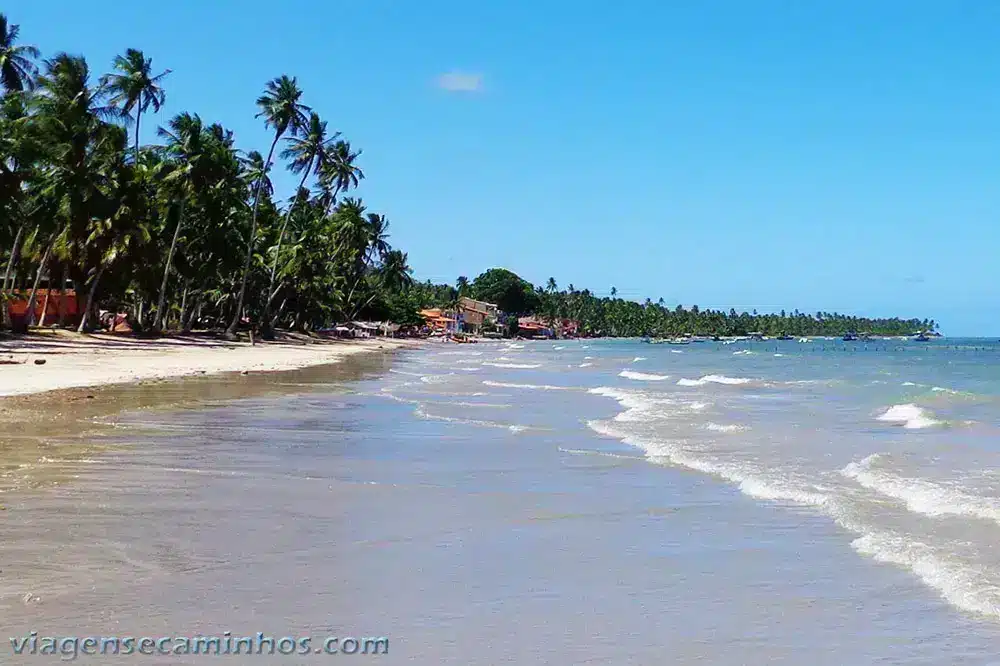

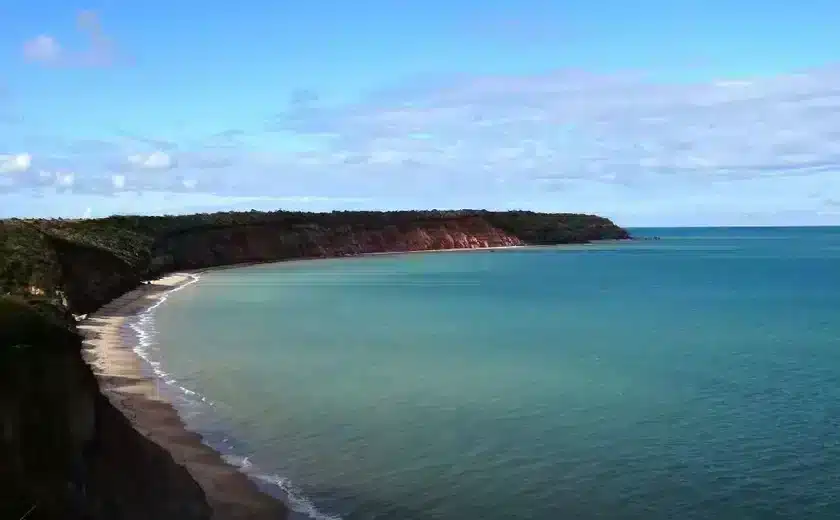
The beaches of Barra de Camaragibe, Marceneiro and dos Morros are considered the most beautiful, and the municipality is also known for its ecotourism activities.
4. São Miguel dos Milagres
Located 93 kilometres from Maceió, São Miguel dos Milagres has about 9,000 inhabitants and became a parish in 1960, maintaining an exclusive atmosphere.
The origin of the name São Miguel dos Milagres comes from the story of a sick fisherman who found an image of Saint Michael the Archangel on the beach and was instantly cured.
The tranquil, paradisiacal setting is complemented by charming inns offering some of the best cuisine and recognised as part of one of Brazil’s most charming accommodation circuits.
A boat ride on the waters of the Tatuamunha River offers fantastic encounters with manatees swimming among the mangroves.
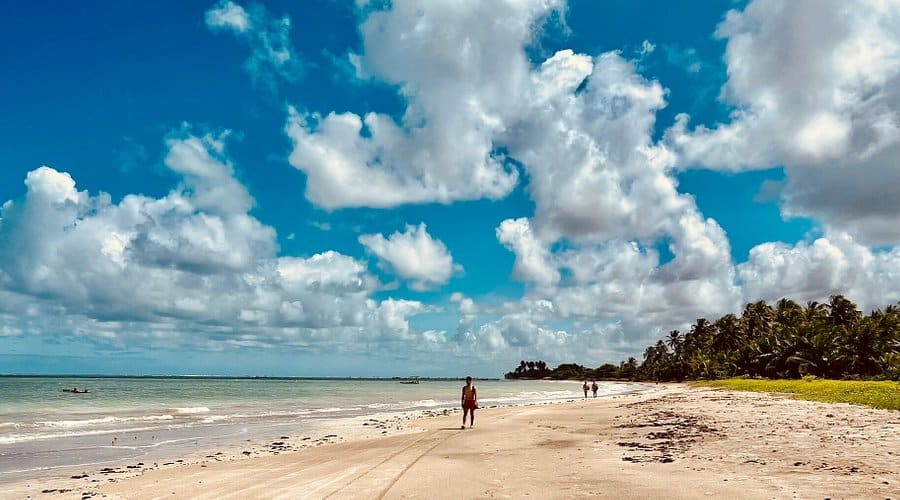
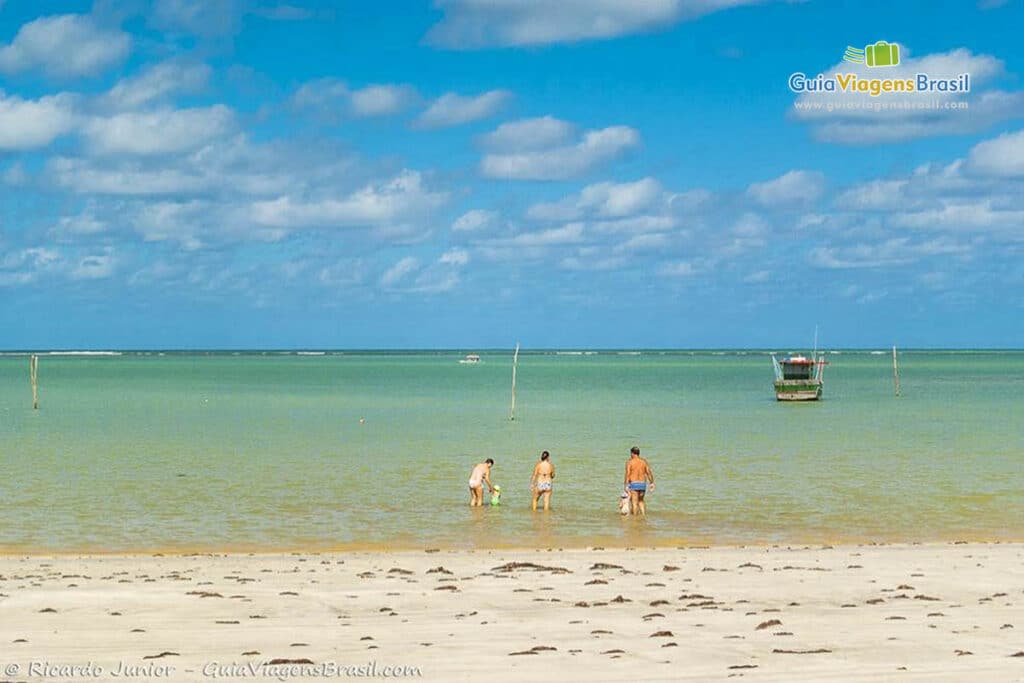
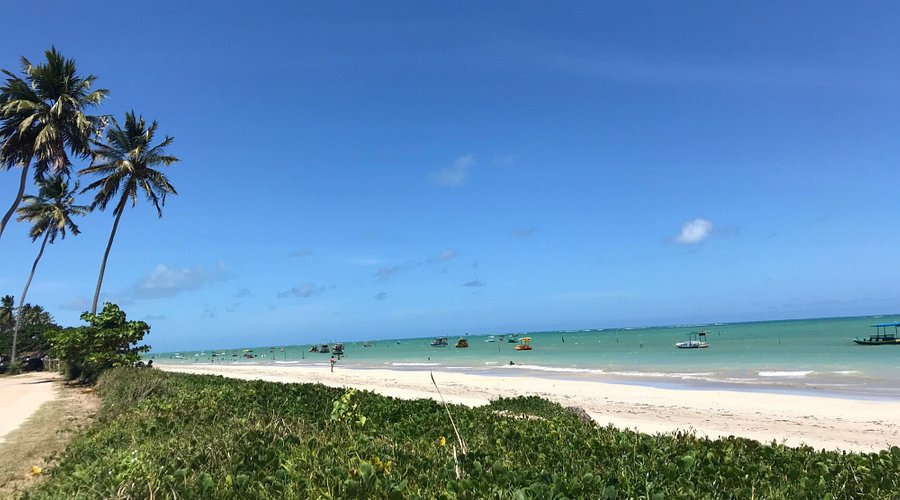
The beaches of Toque, Porto da Rua and São Miguel dos Milagres are the municipality’s main attractions. From the top of Morro do Cruzeiro you can enjoy a magnificent coastal landscape.
The region also excels in promoting sustainable tourism, attracting visitors in search of tranquillity and unspoilt nature.
5. Porto Calvo
Porto Calvo, on the Coral Coast, is 96 km from Maceió and has an estimated population of 25,000 inhabitants, situated 35 metres above sea level.
Its name comes from a legend about an old bald man who lived on the banks of the river and built a port.
In 1889 the 16th century parish became a town. Among its illustrious sons are Zumbi, Guedes de Miranda and Domingues Fernandes Calabar, who became famous in the country’s history for allying himself with the Dutch.
Some historians consider him a hero, others a traitor. Porto Calvo played an important role in resisting the Dutch invasion.
Despite being an old town, Porto Calvo is a modern municipality, with historical references visible in some 16th century collections, such as the Church of Nossa Senhora da Apresentação, considered a National Monument and listed in 1955, and the Alto da Forca.
Mother Church of Our Lady of the Presentation
Listed by the National Historical and Artistic Institute, the church was built in 1610 and has undergone several alterations.
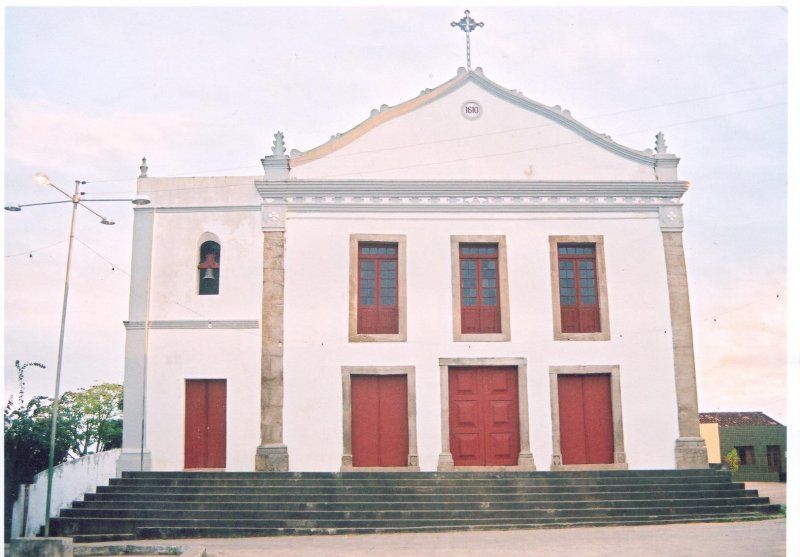
The door structure is primitive and the high altar was replaced in 1930. The church contains paintings of great beauty and historical value.
6. Porto de Pedras
Porto de Pedras is located 128 kilometres from Maceió and has a beautiful landscape between the sea and a rocky hillside, which is the origin of the name of the town, which became a municipality in 1921 and has a population of 11,000 inhabitants.
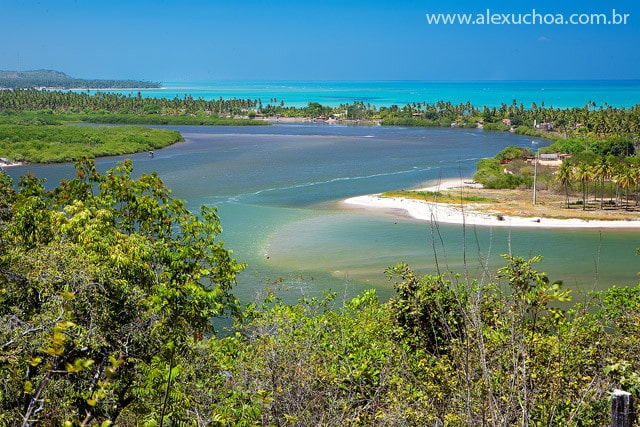
In 1633 Porto de Pedras was invaded by the Dutch, but the Portuguese regained control. Part of that era is still preserved in some 17th to 19th century buildings.
A lighthouse at the top of the hill adds to the charm of the town, from where you can see the vast coastline with its beautiful beaches.
The beaches of Tatuamunha and Patacho are almost untouched and of immense beauty, and it is in this tranquility that a few manatees live.
The ferry ride across the Manguaba River, which divides the municipality of Japaratinga, offers an exciting scene, with coconut palms and mangroves in exotic harmony. The region is home to several protected species of flora and fauna, making it an important destination for ecotourism.
7. Japaratinga
Japaratinga, on the Costa dos Corais, is 121 kilometres from Maceió and has about 8,000 inhabitants.
The town has its origins in a fishing colony that began to develop in the 19th century. Until 1960, Japaratinga belonged to Maragogi.
Today it is an important tourist centre with an excellent infrastructure, including restaurants, hotels and guesthouses that stand out for the quality of their services.
The exotic beauty of the coconut plantations can be admired on horseback, while the rivers and streams can be explored by boat.
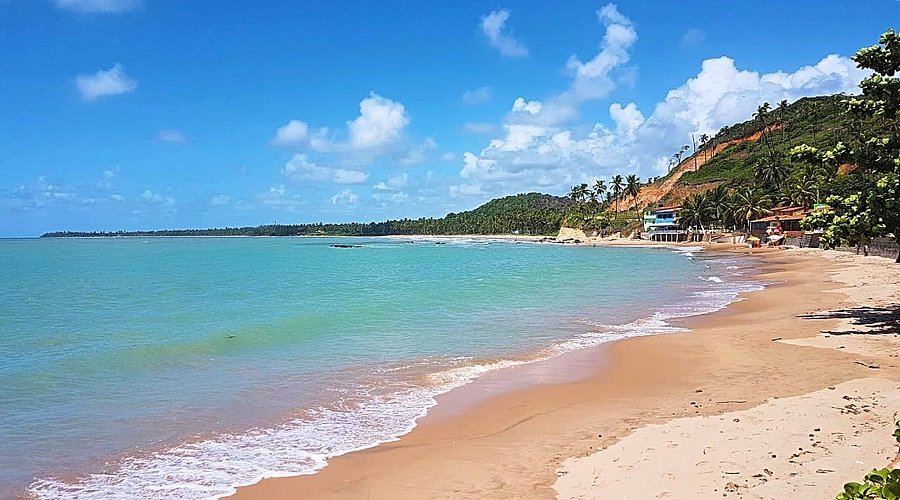
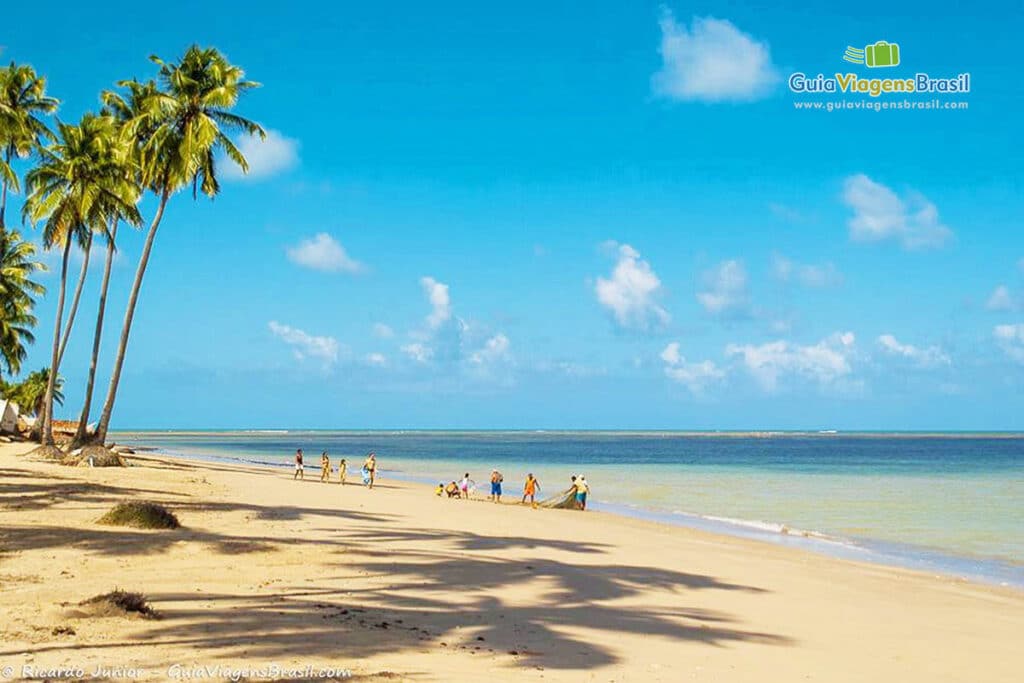
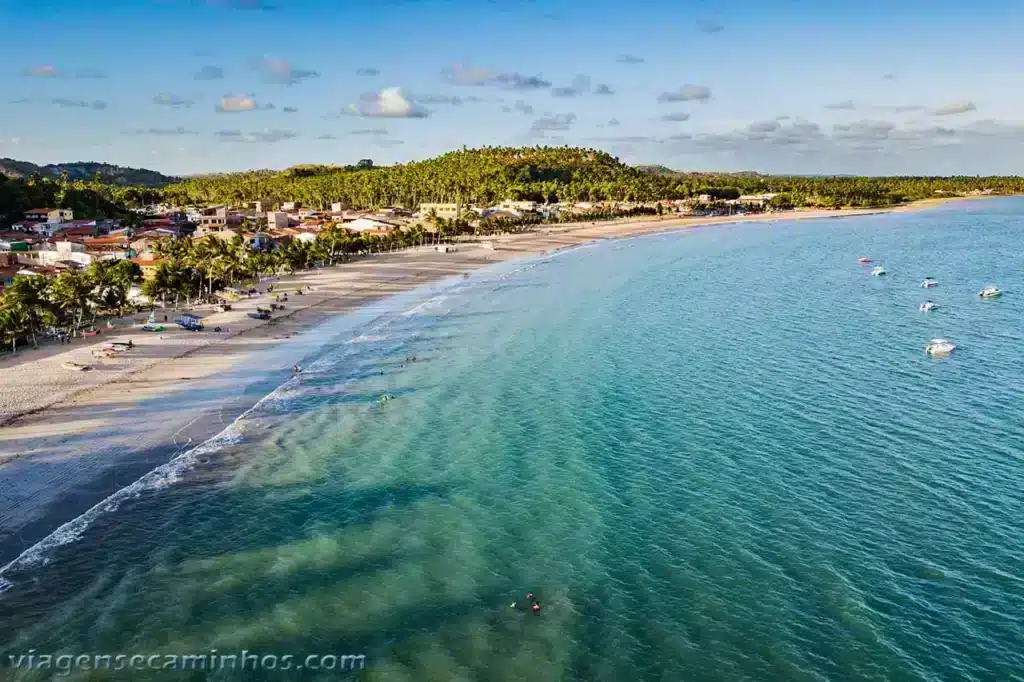
Beaches such as Barreira do Boqueirão, Bitingui and Japaratinga enchant visitors.
The town has buildings dating back to the 18th century and the Mother Church, built by the Dutch, is an example of how the original features have been preserved.
The town’s typical handicrafts are made from coconut palm straw, and Japaratinga is also known for its festivals and cultural events that attract tourists.
8. Maragogi
Maragogi, on the Coral Coast, is 131 kilometres from Maceió, with a population of 25,000, and is the second most popular destination in Alagoas.
The name Maragogi, which means ‘free river’, was given to the town in 1892 because of the river that runs through it.
The excellent tourist infrastructure includes several hotels, guesthouses, farm hotels, restaurants, craft centres and various leisure activities.
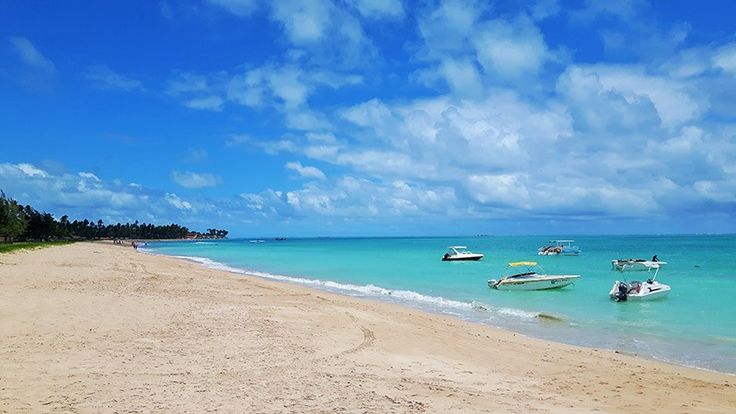
Sceneries such as fishing villages, farms with reserves and Atlantic forest trails, as well as an abundance of coconut groves and beautiful beaches with crystal clear waters, including the beaches of São Bento, Peroba, Burgalhau, Barra Grande and the galés, which are 6 kilometres from the coast and formed by coral reefs, are some of the natural riches of the municipality.
Maragogi is home to one of the most important ecosystems in Brazil, with a diversity of marine flora and fauna that makes it a true paradise for divers.
Rafting on the rivers, admiring the preserved mangroves, buggy rides along the beautiful beaches, eco-biking and swimming in the waterfalls are some of the options for those seeking contact with nature.
Publicações Relacionadas
Beaches of Maragogi and neighbouring towns: Complete guide
Tourist Route from Maceió to Maragogi on the north coast of Alagoas
Maragogi Attractions: Snorkeling in Natural Pools
São Miguel dos Milagres: Explore Untouched Beaches
Barra Grande Beach: Discover Stunning Landscapes
Barra de Santo Antonio: The Best Beaches to Visit
Japaratinga: Your Guide to Coral Coast Relaxation
This post is also on:
 Português
  English
  Deutsch
  Español
  Français