Colonial Brazil (1500-1822): Education, economy and the road to independence
1. The beginning of colonisation: The pre-colonial period (1500-1530)
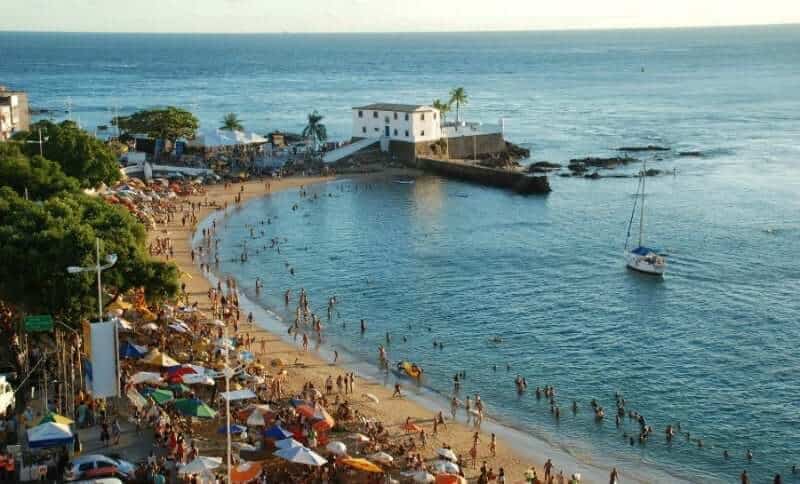
Colonial Brazil began with the arrival of the Portuguese on 22 April 1500, when Pedro Álvares Cabral‘s fleet reached the southern coast of Bahia.
Between 1500 and 1530 there was a period called Pre-Colonial in which no permanent colonies were established.
The main activity was the extraction of brazilwood, carried out by bartering with the indigenous peoples.
The Portuguese built factories on the coast to store the wood they extracted, but there was no interest in occupying the territory extensively, as Portugal’s priority was trading with the Indies.
2. Structure and expansion: The Colonial Period (1530-1822)
The effective colonisation of Brazil began in 1530 with the expedition of Martim Afonso de Sousa, who founded the city of São Vicente in 1532.
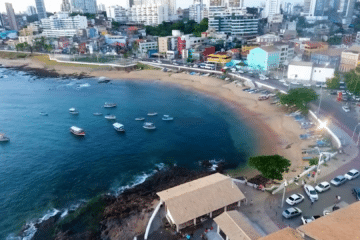
The Portuguese Crown then organised the territory into hereditary captaincies, a form of administration delegated to private individuals. As many of these failed, the General Government was created in 1549, based in Salvador, to centralise power.
The colonial economy was based on plantations (monocultures for export), first with sugar, then with gold and, in some regions, with cattle and cotton.
This whole structure depended on indigenous slavery and especially African slavery, which became the mainstay of the colony’s labour force.
3. Rupture and transformation: The road to independence
The international political situation changed Brazil’s destiny at the beginning of the 19th century. In 1808, the Portuguese Royal Family fled the Napoleonic invasions and settled in Rio de Janeiro, making the colony the seat of the Portuguese Empire. In 1815 Brazil was elevated to the United Kingdom of Portugal and the Algarve, officially ending its status as a colony.
These changes culminated in the Proclamation of Independence by Dom Pedro I on 7 September 1822 on the banks of the Ipiranga River, marking the end of Colonial Brazil and the birth of the Brazilian Empire.