Exploring the Southern Coast of Alagoas: Biodiversity and Tourism
The southern coast of Alagoas is known as the Region of the Lagoons and Southern Seas.
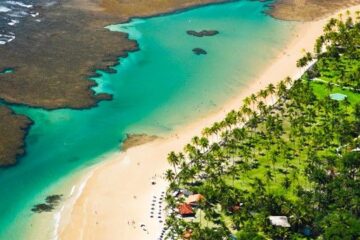
Nature spared no effort in bestowing its bounty upon this part of Alagoas. There are vast coconut groves, idyllic beaches, lagoons and rivers that flow into the sea, creating a scene of pure magic.
In addition to its lush natural surroundings, the history and culture are evident in its historical heritage, folk traditions, music, crafts and cuisine, which is made using ingredients sourced from the waters of this incredibly diverse area in the Lagoas and Mares do Sul region.


Tourist Attractions and Towns on the Southern Coast of Alagoas
1. Pilar
Located 42 km from Maceió, the town of Pilar was founded in the 19th century, growing out of a sugar cane mill. In 1860, the town was visited by King Pedro II, and there are still some examples of houses dating from this period of colonial Brazil.

Pilar’s main attraction is its natural beauty. The town, situated on the shores of Lagoa Manguaba, is surrounded by remnants of Atlantic Forest, several farms with nature reserves, and mineral water springs.
The population is approximately 36,000. Pilar is a lively town, and highlights of its events calendar include the Catfish Festival, the Crab Festival and the Feast of the Patron Saint, Our Lady of Pilar, which attract many visitors.

2. Marshal Deodoro
Marechal Deodoro is situated on the southern coast of Alagoas, 30 km from Maceió. It has a population of approximately 45,000. Marechal Deodoro was the first capital of Alagoas, and is named after the illustrious son of the city who proclaimed the Republic of Brazil.
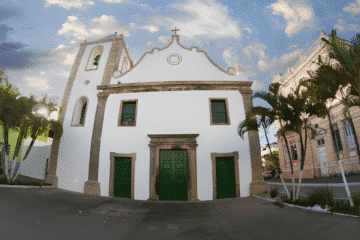
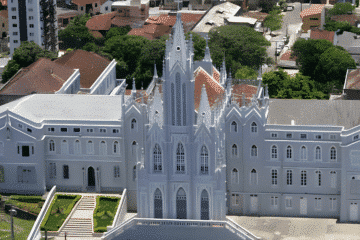
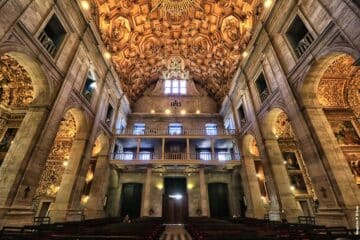
The city boasts a fine collection of architectural treasures, to be found in the museum and in churches dating from the 16th, 17th and 18th centuries.
Marechal Deodoro boasts enviable natural beauty: the Manguaba Lagoon —nestled amongst islands and channels—which joins the Mundaú Lagoon to form the country’s largest lagoon complex, home to many islands, the most important of which is Santa Rita, the country’s largest lake island.
Praia do Francês in Marechal Deodoro is a picture-postcard spot, with its impressive array of restaurants and guesthouses ready to welcome visitors from all over.

Folklore and music are an attraction in their own right. The diverse handicrafts, renowned for their beauty and creativity, are exported throughout Brazil. The flavours of the cuisine are unrivalled and cater to every palate.
On the shores of Lagoa Mundaú lies Massagueira, the largest culinary hub in the North-East.

3. Barra de São Miguel
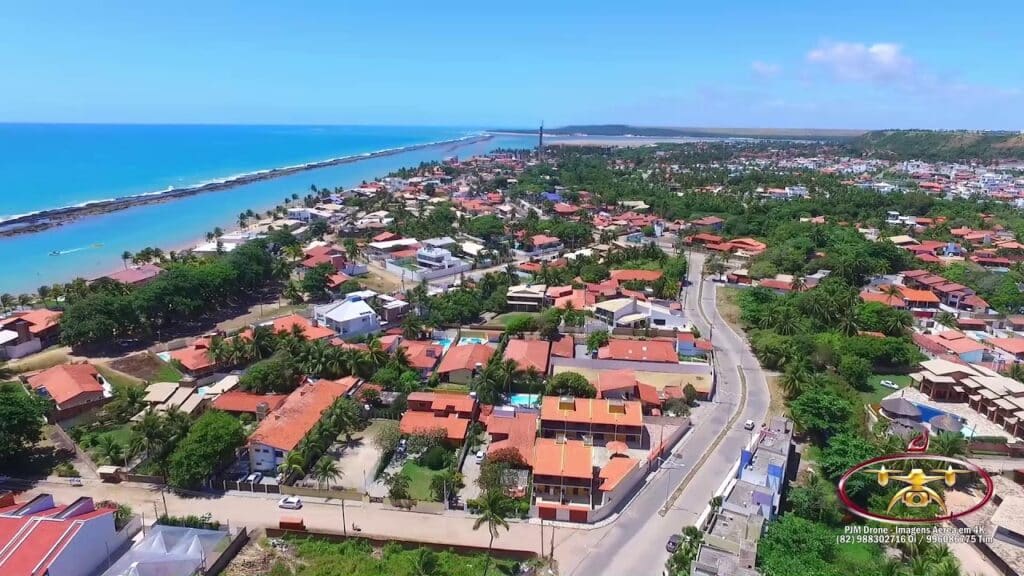
Barra de São Miguel is situated on the southern coast of Alagoas, 33 km from Maceió, and has a population of approximately 9,000 inhabitants. Barra de São Miguel offers excellent accommodation, restaurants and other entertainment options.
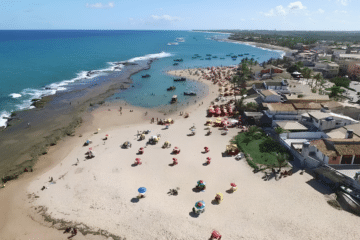
The area is ideal for leisure and relaxation. The main attractions of Barra de São Miguel are its beautiful beaches, particularly those at Conchas, Niquim and Meio, where the sea is bordered by a wall of reefs, perfect for refreshing dips in the calm, crystal-clear waters.
Gazing out at the horizon, one is struck by the deep blue of the sea, which blends into the blue of the sky – a scene created by the Creator.
The Niquim and São Miguel rivers are rich in mangroves, and the lagoon showcases the exuberance of the ecosystem. The point where the river, lagoon and sea meet can be seen from the Alto de Santana Viewpoint.
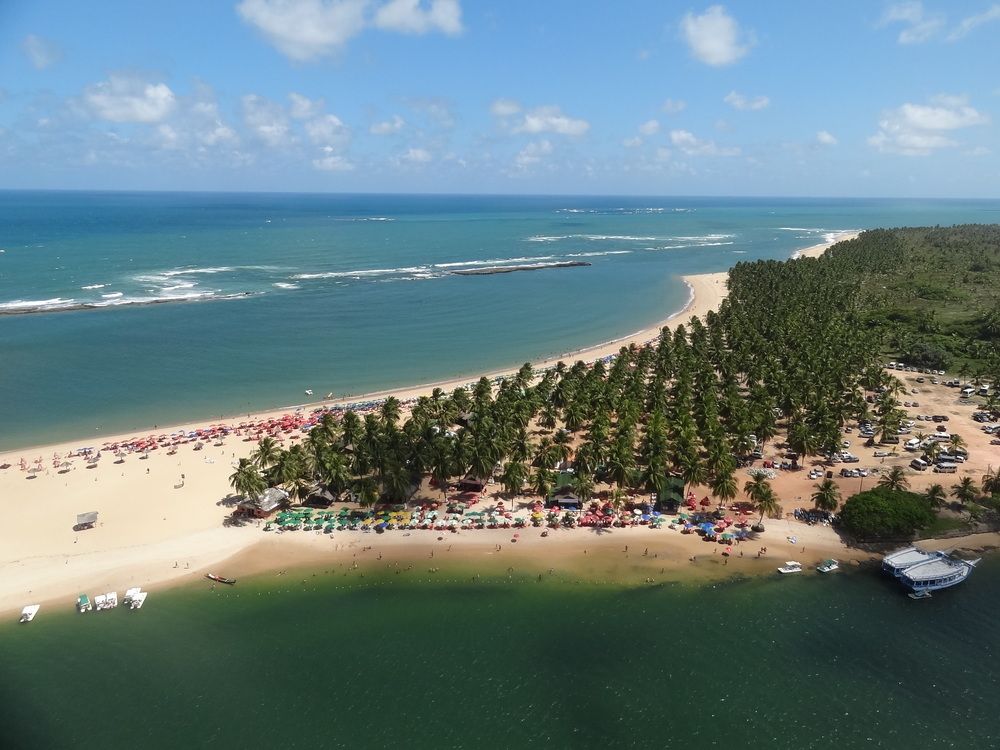
The view is wonderful: the deep blue of the ocean, dotted with coconut palms. Several boats glide across the water until they reach the most popular destination, Gunga Beach, framed by coconut palms stretching as far as the eye can see.
Gunga Beach is situated where Lagoa do Roteiro meets the sea – a heavenly spot unlike any other.
4. Itinerary
The town of Roteiro is 49 km from Maceió, and has a population of approximately 8,000 inhabitants. Its first inhabitants were the Caetés indigenous people, around 1853.
The village was founded in 1900 following the construction of the first chapel, dedicated to Nossa Senhora do Livramento.
In 1963, the village was granted town status. Roteiro is home to one of Alagoas’s biggest tourist attractions and is internationally renowned as one of Brazil’s most beautiful beaches.
It is a place of outstanding beauty, ideal for leisure and water sports. From the viewing point, there is a beautiful view of Gunga Beach and the beaches of Barra.
5. Jequiá da Praia
Jequiá da Praia is a town in the state of Alagoas. Situated 65 km from Maceió, it has a population of 15,000 inhabitants.
The name Jequiá da Praia is of indigenous origin and means ‘basket full of fish’. Jequiá da Praia is an ecological haven which, until 1998, belonged to the municipality of São Miguel dos Campos.
The municipality boasts a vast ecosystem of preserved flora and fauna, with a lake system comprising 3 rivers and 7 lakes – notably the lakes Azeda, Jacarecica and Jequiá – the third largest in Brazil – as well as several exotic beaches, such as Jacarecica do Sul and Barra de Jequiá, which complete the scenery created by nature.
It boasts a range of tourist facilities, including guesthouses, restaurants and a leisure complex set amidst the natural beauty of the area, preserving the local vegetation and offering visitors the chance to interact with wildlife.


6. Coruripe
Coruripe is situated on the southern coast of Alagoas, 90 km from Maceió, and has a population of 50,000 inhabitants. The town’s name is of indigenous origin and means ‘on the river of frogs’. At the start of colonisation, the area was inhabited by the Caetés indigenous people.
The municipality of Coruripe began to develop around the 19th century. Prior to that, it had been influenced culturally by the Portuguese and the Dutch, events which have shaped the municipality’s history.
The Parish Church of Nossa Senhora da Conceição, dating from the 18th century, is built in the Neoclassical style. The statues of Saint Sebastian, Saint Joseph, Saint Anthony, Our Glorious Lord and Our Lady of the Immaculate Conception form part of the church’s collection.
Hiring a horse and setting off on a ride along the paths through the coconut groves is a chance to discover landscapes that seem to exist only in dreams. Nature has really outdone itself in Coruripe.
The stunning sea and abundance of coconut palms make this a truly special place. The municipality boasts beautiful beaches, notably Lagoa do Pau, Miaí de Cima and Miaí de Baixo.
Each one stands out for the unique nature of its beauty, as is the case with Pontal de Coruripe, which has been a landmark since 1948, when a lighthouse was built to guide ships.

Pontal is a fishing village that has become an attractive tourist destination. It offers comfortable guesthouses and all the facilities needed for leisure.
Handicrafts are a major attraction; the fishermen’s wives spend their days making small baskets, jewellery boxes, handbags and hats from the straw of the ouricuri, a species of palm tree found in the region.
7. Happy Desert
Feliz Deserto is 118 km away from Maceió and has a population of 4,000 inhabitants. There is a legend that explains the origin of the town’s name.
It is said that Mr Domingos, after surviving a shipwreck, found an image of Our Lady, Mother of Mankind under a leafy cashew tree.
Mr Domingos was amazed to come across such a sight in such a desolate place. Originally, the lands of Feliz Deserto were occupied by the Caetés indigenous people, who lived there.
The village became a town in 1960, having previously been part of the municipality of Piaçabuçu.
Feliz Deserto has spots where nature reveals its splendour, such as the beaches of Toco and Maçunim. The handicrafts, made from cattail straw, are renowned nationwide for their beauty and creativity.

Frequently asked questions about the southern coast of Alagoas
When is the best time to visit the southern coast of Alagoas?
The region enjoys a warm climate all year round, but from September to March, during the dry season, the sea is usually calmer and there is less rain — ideal for enjoying the beaches and boat trips.
How many days does it take to explore the southern coast of Alagoas?
To visit the main towns (Marechal Deodoro, Barra de São Miguel, Coruripe) and their beaches at a leisurely pace, 4 to 5 days is ideal, staying in at least two places along the coast.
Which is the most famous beach on the southern coast of Alagoas?
Gunga Beach, where Lagoa do Roteiro meets the sea, is one of the most popular and most photographed beaches in the region, alongside Francês Beach in Marechal Deodoro.
Do you need a car to explore the southern coast of Alagoas?
Yes, hiring a car is the most practical option, as the towns are scattered along the coast (ranging from 30 km to over 100 km from Maceió) and public transport between them is limited.
Is it possible to visit Marechal Deodoro and Barra de São Miguel on the same day?
Yes, the two towns are close by (30 km and 33 km from Maceió, respectively), which means you can combine a day at the beach, history and local cuisine in a single day trip from Maceió.

Publicações Relacionadas
The Best Beaches in Alagoas That You Must Explore
Japaratinga: Your Guide to Coral Coast Relaxation
Coral Coast: Discover the Beauty of Alagoas
Southern Coast of Alagoas: A Nature Paradise
Beaches in Maceió: A coastal paradise awaits
Marechal Deodoro: Historical Heritage and Paradise Beaches
Barra de São Miguel: Beaches and Attractions Guide
Marapé Dunes: where the river, lagoon and sea meet in Jequiá da Praia
Beaches of Maragogi and neighbouring towns: Complete guide
Barra de Santo Antonio: The Best Beaches to Visit
3 Days in Maceió and Surroundings: A Guide
Piaçabuçu: Adventure on the banks of the São Francisco River
Maceió: Top Beaches and Attractions to Explore
São Miguel dos Milagres: Explore Untouched Beaches
Maceió’s Beaches — A Complete Guide: Pajuçara, Ponta Verde and Ipioca
Nine Islands Archipelago: A Guide to Paradise
A 5-day tour of Alagoas: The best destinations
The Best Beaches in Alagoas: Hidden Gems Revealed
Alagoas: Discover the Brazilian Caribbean Beaches
Piranhas: A Colonial Gem by the River
Where to Stay in Maceió: Best Areas Revealed
Barra Grande Beach: Discover Stunning Landscapes
Penedo: A Journey Through Colonial Brazil
Explore the best beaches in Maceió and the surrounding area
Maceió: Your Guide to Visiting Alagoas in Brazil
Maragogi Attractions: Snorkeling in Natural Pools
Beaches on the North Coast of Alagoas: A Complete Guide
This post is also on:
 Português
  English
  Deutsch
  Español
  Français